




Deconstructing the Superfood Myth
The term 'superfood' is more of a marketing buzzword than a scientific category. It's used to describe foods, often from faraway places, that are supposedly packed with exceptional levels of nutrients. While items like quinoa, kale, and acai berries are certainly
healthy, their 'super' status often comes with a super-inflated price. The truth is, no single food can provide all the nutrients you need. The real secret to a healthy diet isn't chasing expensive trends, but rather building balanced meals from a wide variety of whole foods. Many locally available and affordable Indian foods offer comparable, and sometimes superior, nutritional benefits.
The Blueprint of a Balanced Plate
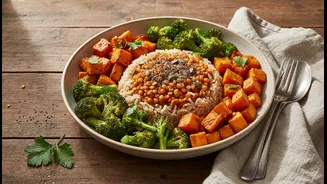
A balanced vegetarian meal doesn't require a degree in nutrition. It simply needs to cover three main bases: protein, complex carbohydrates, and healthy fats, along with a good dose of vitamins and minerals. Protein is essential for building and repairing tissues. Complex carbohydrates provide sustained energy, while healthy fats support brain function and hormone production. Vitamins and minerals, found abundantly in fruits and vegetables, are crucial for everything from immunity to bone health. By ensuring each meal includes these components, you create a foundation for good health without needing any special ingredients.
Protein Power from the Pantry
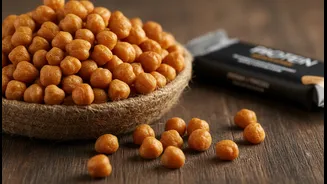
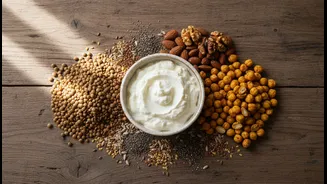
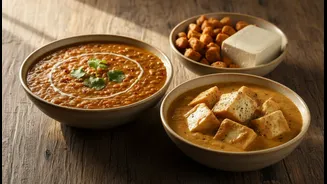
Protein is a common concern for vegetarians, but it's easily addressed with pantry staples. Dals are the cornerstone of Indian vegetarian protein. Toor, moong, masoor, and chana dal are all packed with protein and fibre. A 100g serving of uncooked masoor dal, for instance, provides about 25g of protein. Combining dal with rice or roti creates a complete protein profile. Other fantastic sources include paneer, yoghurt, chickpeas (chana), and kidney beans (rajma). These are far more economical and culturally integrated than imported grains like quinoa, which, while a complete protein, is significantly more expensive.
Mighty Millets and Whole Grains
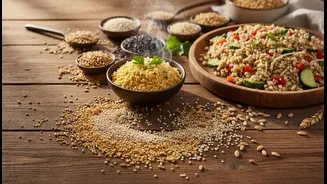
Forget the hype around quinoa for a moment and consider the humble Indian millet. Grains like ragi (finger millet), bajra (pearl millet), and jowar (sorghum) are nutritional powerhouses. Ragi, for example, is one of the best plant-based sources of calcium, offering nearly seven times more than quinoa. Bajra and barnyard millet are exceptionally rich in iron, a nutrient crucial for preventing anaemia, a widespread issue in India. These ancient grains are also high in fibre, have a low glycemic index, and are naturally gluten-free. Using whole wheat atta for rotis and incorporating these millets into your diet provides the complex carbohydrates and fibre needed for sustained energy.
Everyday Alternatives to Exotic Trends
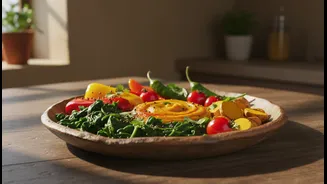
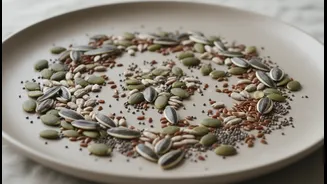
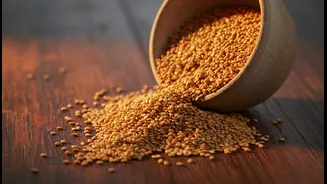
Many trendy international superfoods have excellent, affordable Indian counterparts. Instead of expensive goji or acai berries, enjoy seasonal jamun or amla, which is one of the richest natural sources of Vitamin C. Instead of kale, use local greens like spinach (palak) or beet greens, which are loaded with iron, folate, and vitamins. Chia seeds can be swapped for sabja (basil seeds) or flaxseeds (alsi), which are also excellent sources of omega-3 fatty acids and fibre. For healthy fats, instead of relying on imported avocados and olive oil, traditional options like groundnuts, mustard oil, and coconut oil are excellent choices.
Mind the Nutrient Gaps
While a varied vegetarian diet is robust, a few nutrients require special attention. Vitamin B12 is found almost exclusively in animal products, so vegetarians should include dairy products like milk and yoghurt, or consider fortified foods or a supplement. Vitamin D, the 'sunshine vitamin', can also be a concern; getting regular, safe sun exposure and consuming fortified milk or mushrooms can help. Iron from plant sources (non-heme iron) is absorbed less easily than that from meat. To boost absorption, pair iron-rich foods like lentils and spinach with a source of Vitamin C, such as a squeeze of lemon or a side of tomato.