




A Resurgence of the Newcomer
The Indian car market is witnessing a remarkable comeback of first-time buyers, whose share in total sales has jumped by approximately 10 percentage points in the first half of the current fiscal year. This represents the most significant increase since
the pandemic, indicating a broadening of the market and renewed momentum toward mass motorisation. For instance, Maruti Suzuki, the country's largest carmaker, reported that first-time buyers accounted for 54% of its sales between April and August, a substantial rise from 42% during the same period last year. Other major players like Tata Motors have also seen a 6-7% increase in this crucial segment over the past year, confirming this is an industry-wide trend.
The GST Effect on Affordability
A primary catalyst for this boom has been a major tax reform. The government's decision to reduce the Goods and Services Tax (GST) on smaller vehicles—those under four meters in length—from 28% to 18% has been a game-changer. This tax cut, dubbed GST 2.0, has directly lowered the upfront cost of entry-level cars, making them accessible to a wider pool of consumers. For many households, especially those transitioning from two-wheelers, even a small change in monthly loan instalments can be a deciding factor. The reduction in GST has revived demand for small, affordable cars, with sales for models in the 18% tax bracket seeing a 29% rise recently.
What First-Time Buyers Are Choosing
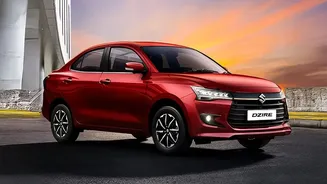
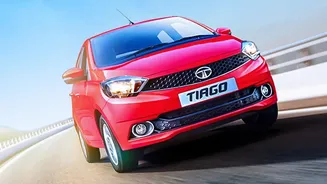
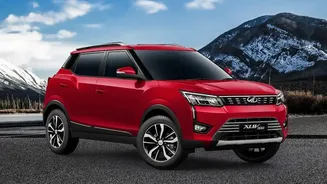
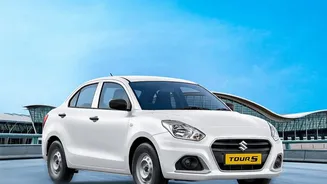
The renewed interest is heavily focused on the entry-level segment. Small hatchbacks, which had lost ground to the SUV craze, are once again becoming the go-to choice for new owners. Models like the Maruti Suzuki Alto, S-Presso, and WagonR have seen a significant sales boost thanks to their lower price points and high fuel efficiency. At the same time, the compact SUV segment continues to attract first-time buyers who are 'value maximisers'. Rather than just seeking the cheapest option, these buyers opt for vehicles like the Tata Punch or Nissan Magnite, which offer more features, space, and a higher seating position for a competitive price. This shows the market is growing at both ends: price-sensitive buyers are entering with small cars, while others are stretching their budget for a feature-packed compact SUV as their first vehicle.
Broader Economic and Social Shifts
Beyond tax cuts, several other factors are at play. Improved access to financing has made car ownership a reality for many more Indians, with banks and NBFCs offering attractive loans with flexible repayment options. There is also a notable shift happening in smaller cities and rural areas. With rising incomes and expanding economies outside the major metros, Tier-2 and Tier-3 cities are becoming major growth drivers for the auto industry. For many young professionals and families in these regions, a car is not just a mode of transport but a significant lifestyle upgrade and a symbol of success. The desire for personal mobility, perhaps reinforced by post-pandemic health awareness, continues to be a strong underlying motivator.