





First, What Is Agility?
Before we can crown a winner, it is important to understand what agility truly is. It is not just about moving fast. In the world of fitness, agility is defined as the ability to move and change direction and position of the body quickly and effectively
while under control. It is a complex skill that combines several key components: balance, coordination, speed, reflexes, and strength. Think of it as a blend of rapid movement and precise control. A truly agile person can not only accelerate and decelerate on a dime but also maintain their balance and body awareness throughout the movement. This means our two contenders have a lot of different boxes to tick.
The Case for High-Intensity Skipping
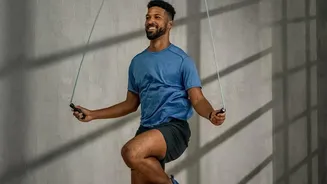
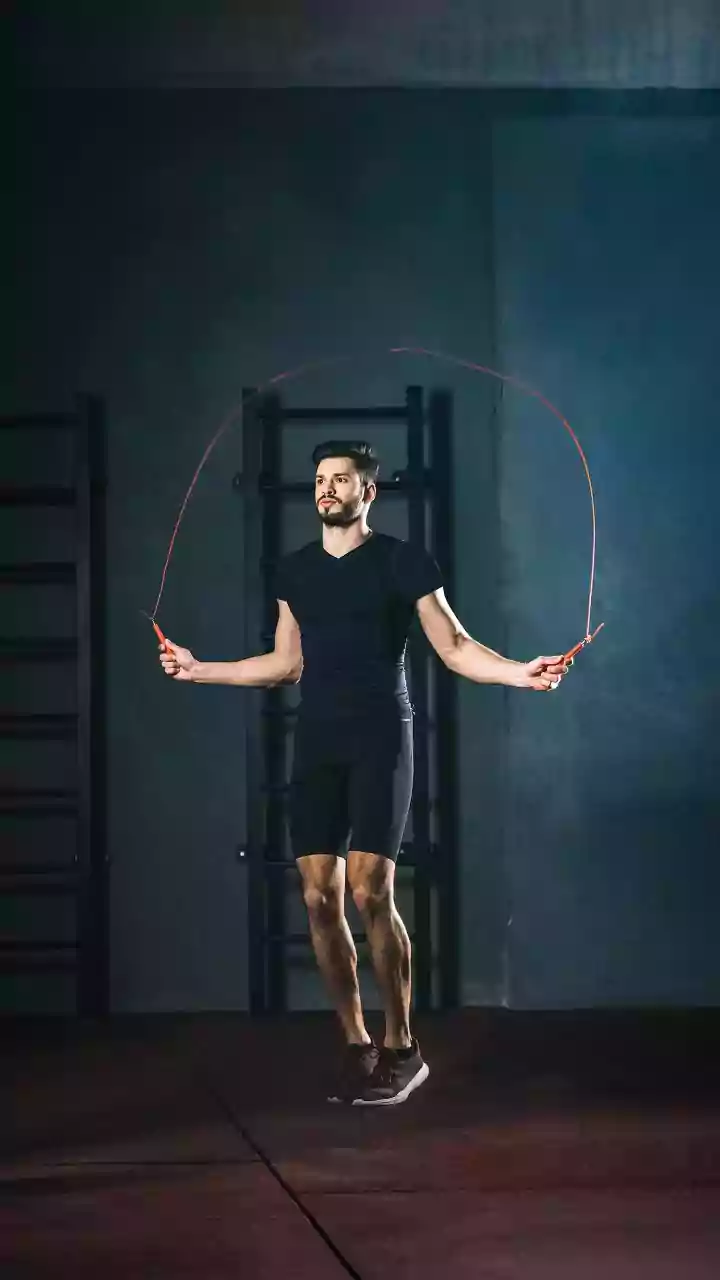
The humble skipping rope has long been a staple for boxers and other elite athletes, and for good reason. Skipping is a powerhouse for developing the fast-twitch muscle fibers responsible for explosive movements. Every jump is a lesson in coordination, forcing your hands, feet, and eyes to work in perfect rhythm. This repetitive, high-intensity action trains your body to be light on its feet, improving footwork and shortening the time your feet are on the ground. This enhances your reactive speed and ability to make quick adjustments. The cardiovascular conditioning from skipping also boosts stamina, ensuring your muscles get the oxygen they need to perform agile movements without fatiguing quickly. In short, skipping directly trains the speed, power, and reactive components of agility.
The Argument for Mindful Yoga Poses
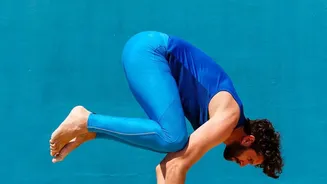
Yoga might seem like the opposite of a fast-paced agility drill, but its contribution is just as vital, focusing on the control aspect of agility. Yoga’s greatest weapon in the fight for agility is its ability to develop proprioception. Proprioception is often called the body's "sixth sense"—it's your internal awareness of where your body parts are in space without having to look. Poses like Tree Pose or Warrior III challenge your balance and force your muscles to make constant, tiny adjustments to keep you stable. Flowing from one pose to another, like moving from a high lunge into Half Moon pose, teaches your body how to transition smoothly and maintain control through different planes of movement. This builds incredible body awareness, core strength, and stability, which are the foundations of controlled, intentional movement and injury prevention.
Explosive Power vs. Conscious Control
When placed side-by-side, it becomes clear that skipping and yoga are not really direct competitors. Instead, they train two different, yet complementary, sides of the same coin. Skipping builds explosive, reactive agility. It prepares your body to respond instantly and powerfully to an external stimulus, like dodging an obstacle or quickly changing direction in a game. It is about the 'quick' in "quick and effective." Yoga, on the other hand, builds conscious, controlled agility. It trains your body to move with intention, precision, and stability. It is about the 'effective' and 'under control' part of the definition. You can be fast, but if you lack balance and body awareness, that speed can be chaotic and lead to stumbles or injury. Conversely, you can have perfect control, but without the ability to generate speed, your movements will lack dynamic power.
The Verdict: A Powerful Partnership
So, which workout wins? The answer is neither—and both. For pure, explosive speed and lightning-fast footwork, high-intensity skipping has the clear advantage. If your goal is to improve your reaction time and cardiovascular engine for sports, the rope is your best friend. However, for developing the unshakable balance, deep body awareness, and fluid control that prevents injuries and makes movement graceful, mindful yoga is unparalleled. The most agile individuals possess both explosive power and fine-tuned control. Therefore, the ultimate winner is the person who understands that these two workouts are not rivals but partners. Combining them creates a more holistic and well-rounded form of agility that is applicable both in sports and in the unpredictable movements of everyday life.