





Shinjuku Gyoen, Tokyo: Three Gardens in One
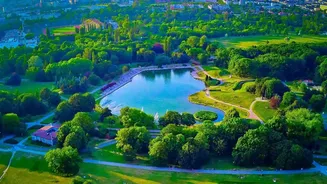
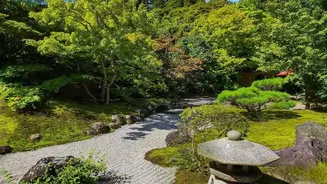
Once the private estate of a feudal lord, Shinjuku Gyoen is now one of Tokyo's most beloved public parks. Its 144 acres are a masterclass in landscape design, uniquely combining three distinct styles. Visitors can wander through a classic Japanese Traditional
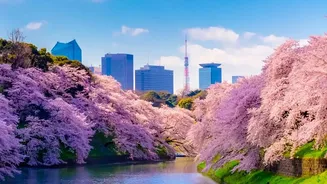
Garden complete with tranquil ponds and teahouses, admire the symmetrical rose beds of the French Formal Garden, and relax on the wide, open lawns of the English Landscape Garden. The park is a year-round destination, famous for its nearly 900 cherry trees in spring and a stunning chrysanthemum exhibition in autumn. A large greenhouse also showcases tropical and subtropical plants, adding another layer to this diverse urban oasis.
Kenroku-en, Kanazawa: A Perfect Landscape
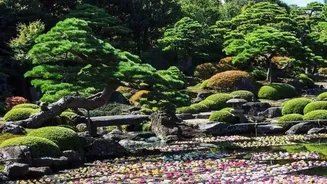
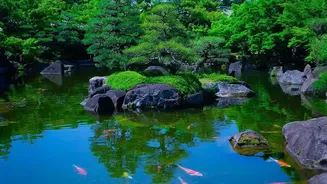
Considered one of Japan's three most beautiful gardens, Kenroku-en is the historic heart of Kanazawa. Maintained for centuries by the powerful Maeda clan, it was opened to the public in 1874. The name means "Garden of the Six Sublimities," referring to the six essential attributes of a perfect garden: spaciousness, seclusion, artifice, antiquity, abundant water, and broad views. Kenroku-en masterfully balances all six. Its features include the iconic two-legged Kotojitoro Lantern, Japan's oldest fountain powered by natural water pressure, and the vast Kasumigaike Pond. In winter, the park is famous for its 'yukitsuri'—ropes stretched from bamboo poles to protect the pine tree branches from heavy snow, creating a captivating conical artistry.
Ueno Park, Tokyo: A Hub of Culture and Nature
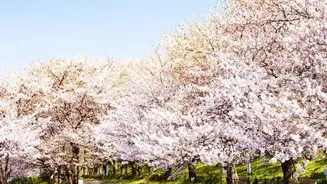
More than just a green space, Ueno Park is a vibrant cultural center and one of Japan's first public parks. It is home to several major museums, including the Tokyo National Museum, the National Museum of Nature and Science, and the National Museum of Western Art. The park also contains Ueno Zoo, Japan's oldest zoological garden. In late March and early April, its central pathway becomes one of Tokyo's most popular spots for 'hanami' (cherry blossom viewing), with over 1,000 cherry trees bursting into bloom. Visitors can also explore historic temples like Kaneiji Temple and Ueno Toshogu Shrine, or take a walk around the lotus-covered Shinobazu Pond.
Arashiyama Bamboo Grove, Kyoto: An Otherworldly Path
Located in the scenic Arashiyama district on the outskirts of Kyoto, the Bamboo Grove is one of Japan's most iconic and photographed natural sights. A walking path cuts through a dense forest of towering bamboo stalks, creating a mesmerizing tunnel of green. The experience is as much about sound as it is about sight; the rustling of the leaves and the gentle creaking of the stalks in the wind create a uniquely tranquil atmosphere. While it can get crowded, an early morning visit offers a more serene and almost meditative experience, allowing you to fully appreciate the otherworldly beauty of this natural wonder.
Moerenuma Park, Sapporo: A Sculptural Masterpiece
Transforming a former waste disposal site into a work of art, Moerenuma Park in Sapporo is the final masterpiece of renowned sculptor Isamu Noguchi. Noguchi's vision was to design the entire park as "one complete sculpture." The expansive 189-hectare grounds feature massive, geometric landforms and striking structures. Highlights include Mount Moere, a 62-meter man-made mountain offering panoramic views of the city, and a large glass pyramid called "Hidamari" that houses galleries and community spaces. With a sea fountain that shoots water 25 meters high and creative play equipment designed by Noguchi, the park is a fusion of art, nature, and recreation that can be enjoyed in all seasons, from summer water fun to winter sledding.