





The New Highways of Growth
According to Uber's latest Intercity Travel Index, the period from April to June this year painted a clear picture of evolving travel patterns. While trunk routes like Mumbai-Pune, Delhi-Agra, and Bengaluru-Mysuru continued to see high volumes of traffic,
they are no longer the only story. The fastest-growing corridors are now those connecting regional hubs and leisure destinations. Routes such as Ahmedabad-Vadodara, Delhi-Dehradun, Delhi-Chandigarh, and Chennai-Puducherry saw some of the most significant increases in demand. This data suggests that the convenience of app-based booking, combined with India's rapidly expanding and improving highway network, is encouraging more people to take to the road for shorter, regional trips.
Beyond the Metro Bubble
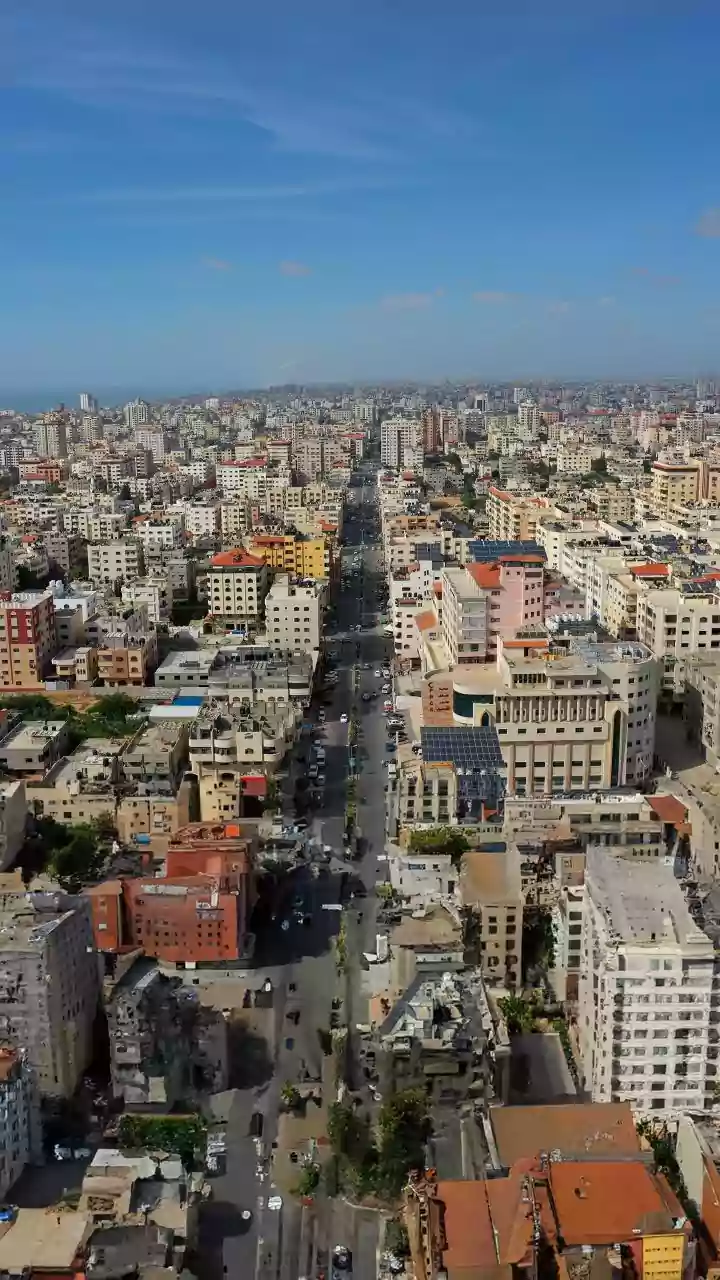
The headline finding from the report is the emergence of Tier-2 cities as the new engines of intercity travel growth. The data highlights a rising demand for mobility on routes that don't necessarily begin or end in a major metropolis. Corridors like Thrissur-Kochi, Indore-Ujjain, Kanpur-Lucknow, and Ranchi-Jamshedpur are now identified as emerging travel hotspots. This trend points to a deeper economic and social shift. As smaller cities become more economically vibrant and better connected, their populations are becoming more mobile. This isn't just about visiting family; it reflects growing business links and a rising appetite for local and regional tourism that exists independently of the major urban centres. This trend is significant enough that Uber recently announced a major expansion into 100 new Tier-2 and Tier-3 cities across India.
Driven by Leisure and Long Weekends
A key driver behind this intercity boom is a strong preference for experience-led travel. The summer season saw a surge in trips to weekend getaway destinations like Puducherry, Dehradun, Nashik, and Aurangabad. Heritage and pilgrimage sites also drew considerable crowds, with Agra, Mysuru, Prayagraj, Ajmer, and Udaipur featuring prominently in the data. Indian travellers are also getting smarter about planning their breaks. The Uber Index noted distinct spikes in demand around long weekends, including the May Day and Bakrid holidays in 2026, indicating that people are proactively scheduling road trips to maximise their time off. This behavioural pattern shows that for many, a short road trip has become an accessible and appealing alternative to more complex travel plans involving flights or trains.
What It Means for India's Mobility
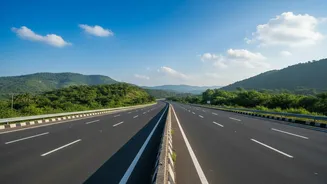
The trends identified by Uber are more than just statistics; they reflect a fundamental change in India's mobility landscape. The government's focus on expanding the national highway network, which has grown by over 60% since 2014, is a critical enabler of this shift. Better, safer, and faster roads reduce travel time and make car journeys a more attractive proposition. In response, service providers like Uber are making intercity travel more seamless with features like round-trip bookings and enhanced safety tools. This symbiotic relationship between infrastructure development and service innovation is creating a powerful flywheel effect. As one Uber executive noted, the combination is driving road trips not just between big cities, but across regional corridors to destinations offering unique cultural, spiritual, and leisure experiences.