
A City Painted Purple
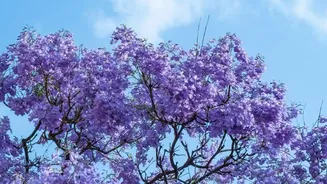
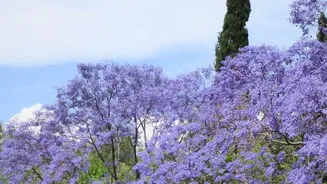
From late October through November, Sydney sheds its year-round palette for the fleeting, magical tones of the jacaranda. This annual flowering is more than just a pretty sight; it’s an unofficial city-wide festival that signals the coming of summer.
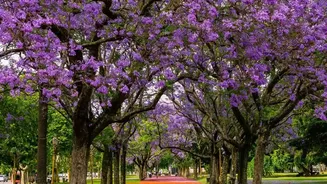
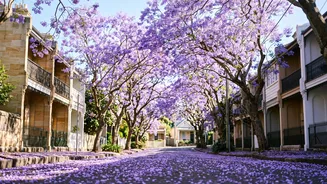
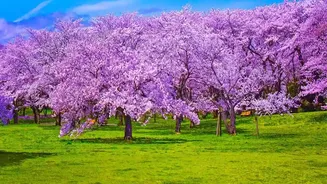
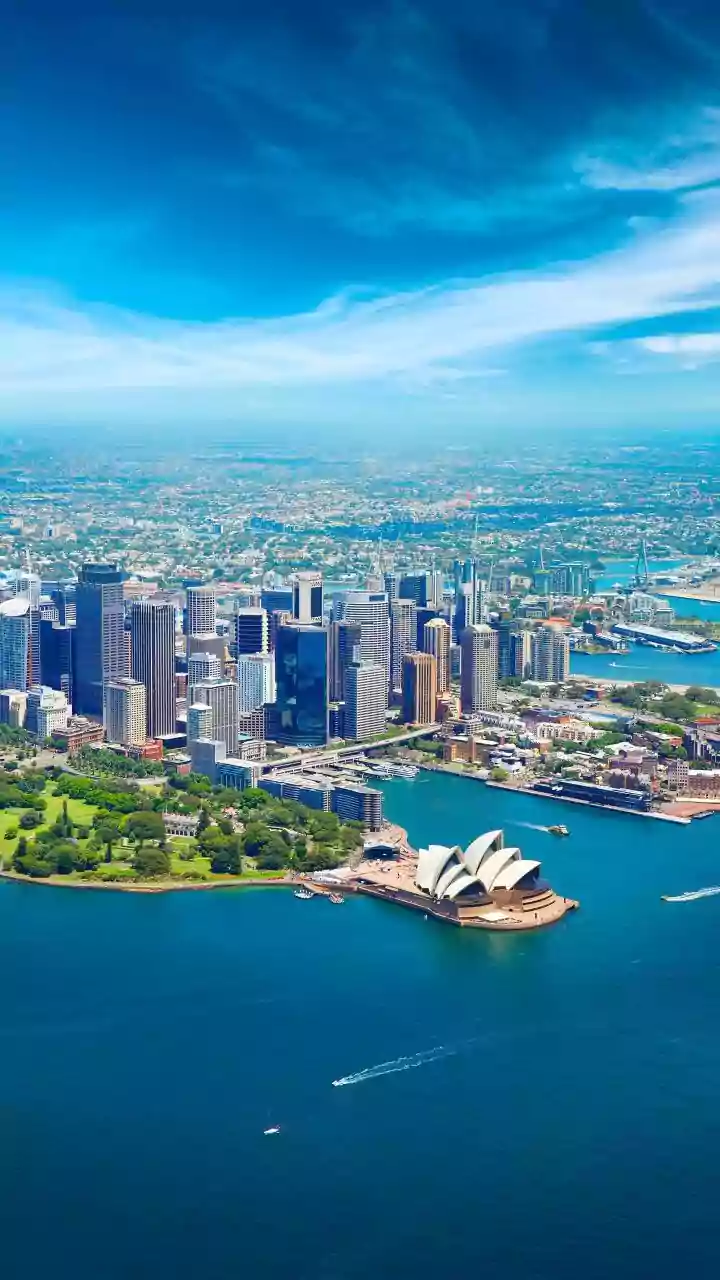
The soft, trumpet-shaped blossoms form dense canopies that dapple the sunlight, creating a unique, almost surreal atmosphere. For a few precious weeks, the cityscape is defined not by its iconic steel bridge or opera house sails, but by the explosion of mauve that captivates locals and tourists alike. When the petals eventually fall, they create a vibrant carpet on the footpaths and lawns, a phenomenon often called 'purple rain', continuing the spectacle even as the season wanes.
The South American Immigrant
Despite being deeply woven into Sydney's identity, the jacaranda tree is not an Australian native. The Jacaranda mimosifolia species originates from South America, particularly Brazil. Its journey to Australian shores is a tale of 19th-century botanical exploration. Plant hunter Allan Cunningham is believed to have first encountered the trees in Rio de Janeiro around 1818, sending specimens back to England. The first trees were planted in Australian botanic gardens in the 1850s, with a specimen in Sydney's Royal Botanic Garden gaining public attention by the 1860s. Initially considered a rare and difficult-to-propagate treasure, the tree found Sydney’s climate to be a perfect match for its native home, allowing it to flourish.
An Unofficial Calendar Marker
The jacaranda bloom has become a significant cultural marker. For students at the University of Sydney and the University of Queensland, the flowering is inextricably linked to the stressful end-of-year exam period, leading to the colloquial term 'purple panic'. Superstition holds that if a jacaranda blossom falls on you, you will pass your exams. Beyond the campus, the bloom signifies a collective shift in mood, heralding warmer days, festive gatherings, and the relaxed energy of the approaching summer holidays. It's a living calendar that reminds the entire city to pause and appreciate a moment of natural beauty before the full heat of summer arrives. In some suburbs, the connection is even deeper; a popular story suggests some hospitals once gave jacaranda seedlings to new mothers, creating a living legacy across the city.
Where to Find the Purple Haze
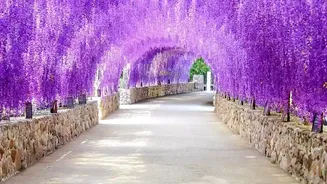
While jacarandas can be found across the city, some locations offer a particularly concentrated and breathtaking display. The most famous is McDougall Street in Kirribilli, on the North Shore, where the trees form a stunning purple archway over the road, attracting crowds of photographers. Nearby Lavender Bay and Hunters Hill also boast beautiful, mature trees. In the Eastern Suburbs, Paddington's Oxford Street and the surrounding residential lanes of Woollahra provide an elegant urban backdrop for the blooms. The historic grounds of the University of Sydney, particularly the Quadrangle, are another iconic spot. For those willing to venture further, areas like Parramatta and Camden also offer magnificent avenues and parks lined with the vibrant trees.
More Than Just a Pretty Tree
The jacaranda has become so ingrained in the local culture that it’s easy to forget its foreign origins. It stands as a symbol of how introduced species can become beloved icons, weaving themselves into the fabric of a new home. The trees, which can live for over 50 years and grow up to 15 metres high, provide ample shade and a sense of establishment to Sydney's suburbs. While their flower and leaf drop can be messy, most residents consider it a small price to pay for the annual spectacle. The jacaranda is a testament to the city's ability to adopt and celebrate beauty, turning a botanical immigrant into a true Sydney resident.