






Meet the Viral Loaf
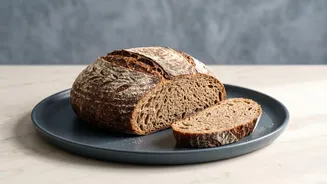
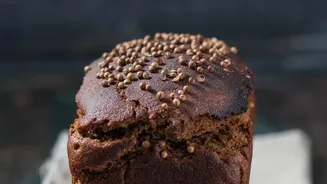
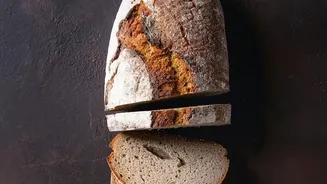
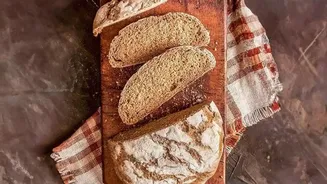
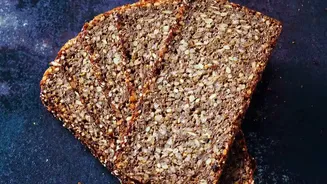
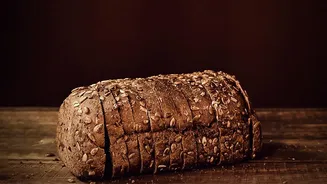
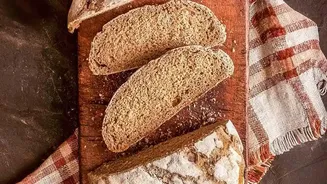
The bread at the center of the stir comes from Rye by Martin Auer, an Austrian bakery that opened its first U.S. location in Manhattan's SoHo neighborhood. The item causing the commotion is a 3.3-pound, 100% rye sourdough loaf. It's large, dense, and
made with just four simple ingredients: organic Austrian rye flour, water, salt, and the most important one, time. While the full loaf carries the now-infamous $60 price tag, the bakery also sells it in more manageable (and affordable) sizes: $30 for a half and $15 for a quarter, a portion some say is comparable to a standard loaf elsewhere. But it's the headline number that has captured the city's imagination and ire, turning a simple baked good into a viral sensation and a new kind of status symbol.
Breaking Down the Price Tag
So, how do you get to $60 for flour and water? The bakery points to a few key factors. First, the ingredients and the process. The organic rye flour is imported from Austria, and the bread is the result of a multi-day effort. The sourdough starter is fed daily, and the dough itself goes through a 24-hour fermentation, followed by shaping, another rise, baking, and a final rest of around 12 hours before it can even be sold. This slow, labor-intensive craft is a world away from mass-produced bread. Then there’s the inescapable reality of New York City economics. Operating a specialty retail space in SoHo, one of Manhattan's most expensive neighborhoods, adds significant overhead that gets baked, quite literally, into the final price. When you combine premium imported ingredients, days of skilled labor, and a high-rent location, the cost climbs quickly.
Who Is Buying This Bread?
Even with the high price, customers are lining up. The appeal goes beyond simple hunger. In today's experience-driven economy, consumers are increasingly willing to pay a premium for products with a compelling story, artisanal craftsmanship, and a sense of exclusivity. This isn't just a transaction; it's a conversation piece. For some, it's a culinary adventure, a chance to taste something unique and expertly made. For others, it’s part of the "little treat economy," a concept where small, affordable luxuries feel more attainable than major life purchases. This trend is particularly pronounced among younger generations who may justify spending on a high-end coffee or a slice of viral toast, viewing it as an accessible indulgence in a challenging economic landscape. The bakery itself leans into this, offering single slices with toppings for around $10, making the experience accessible without the commitment to a whole loaf.
Is It Just a Fad?
The $60 loaf is part of a much larger shift in our relationship with food. The demand for luxury and artisanal products, from fine cheese to specialty coffee and organic produce, has been growing steadily. Consumers are more educated about food than ever, seeking out products that are sustainably sourced, made with high-quality ingredients, and offer a unique experience. While the online outrage and sticker shock are real, the loaf's viral success also brings attention to the craft of baking and the value of traditional methods. Much like the Cronut or rainbow bagel before it, this rye sourdough has become a cultural landmark. It's a testament to New York's status as a place where anything can be turned into a luxury item, and a reflection of a consumer base that is hungry for things that feel authentic and special.