







The Gentle Art of Moving Meditation
At its heart, Tai Chi is an ancient Chinese practice that combines slow, graceful movements with deep breathing and mental focus. Originating as a martial art, it has evolved into a practice cherished for its health and wellness attributes. Often described
as "meditation in motion," Tai Chi is founded on the principles of harmony, balance, and the flow of energy, or "qi." Its core idea is not to build brute strength, but to cultivate a relaxed, supple power that integrates mind and body. This philosophy is why you see practitioners move with such intention—every posture flows into the next without pause, creating a continuous, gentle dance. It is accessible to almost everyone, regardless of age or fitness level, because it is low-impact and can be easily adapted.
Wellness, Not Wonder Cures
While countless people report feeling better from practicing Tai Chi, proponents and experienced instructors are often cautious with their language. They tend to describe the benefits in general terms: improved well-being, better balance, reduced stress, and increased flexibility. This careful wording is intentional. The wellness world can be filled with exaggerated claims, and framing Tai Chi as a specific medical treatment can be misleading and attract regulatory scrutiny. By focusing on general wellness, instructors maintain the integrity of this holistic practice. The goal is not to present Tai Chi as a substitute for medical care, but as a complementary practice that supports the entire system—mind, body, and spirit. This approach respects its philosophical roots, which see health not as the absence of disease, but as a state of harmonious balance.
What Does The Science Say?
Despite the careful language, a growing body of scientific research supports many of the health benefits attributed to Tai Chi. Hundreds of studies have been published, providing strong evidence in several key areas. For instance, Tai Chi is consistently shown to improve balance and reduce the risk of falls, particularly in older adults. There is also good evidence that it can help manage the pain, stiffness, and physical function associated with osteoarthritis, especially in the knees. Other studies point to benefits for mental health, including significant reductions in stress, anxiety, and symptoms of depression. Research has also shown it can improve sleep quality and offer benefits for people undergoing rehabilitation for conditions like heart disease and COPD. However, for some conditions like diabetes, the direct medical benefits are not as clear. This mix of strong and preliminary evidence underscores why a cautious, wellness-focused framing remains the most responsible approach.
Combining Movement with Nature
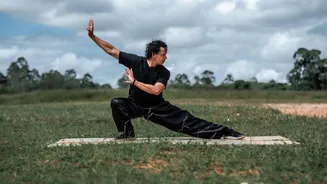
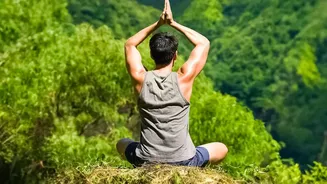
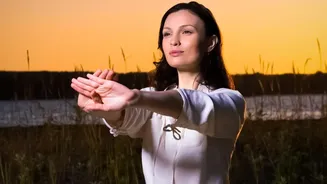
The headline's mention of outdoor practice is key to understanding the complete Tai Chi experience. Taking the practice into a park, garden, or any natural setting amplifies its benefits significantly. The uneven surface of grass or sand challenges and strengthens the small stabilizing muscles in the feet and legs, further enhancing balance. Breathing fresh air rather than conditioned indoor air improves oxygen intake and lung function. Moreover, the psychological effects are profound. Being in a green or blue space is proven to lower cortisol levels and shift the nervous system into a state of rest and recovery. The sounds of nature—rustling leaves, birdsong—provide a calming backdrop that deepens the meditative state, turning the practice into a form of "eco-mindfulness." This synergy between gentle movement and the natural environment makes outdoor Tai Chi a uniquely powerful tool for holistic health.