



Why a Road Trip Unlocks the Real Tuscany
Tuscany's iconic cities are well-connected by train, but the region's heartland—a painterly landscape of rolling hills, medieval hamlets, and family-run vineyards—is best explored with the freedom of a car. Relying on public transport means you'll miss
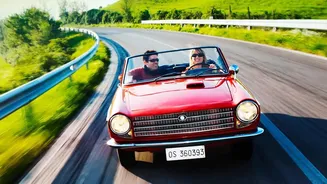
the spontaneous detours: the scent of a local market pulling you into a tiny village, a sign for a wine tasting down a gravel path, or a perfect sunset viewpoint you have all to yourself. A road trip transforms your journey from a checklist of destinations into a personal adventure, allowing you to move at your own pace and discover the rhythm of the countryside. You can linger over a long lunch, chase the golden hour light for photos, and stumble upon gems like Monteriggioni, a tiny walled fortress perfect for a coffee stop between major hubs.
Essential Planning for Your Drive
Before you go, book the smallest rental car that will comfortably fit your party and luggage. Narrow village streets and tight parking spaces make a smaller vehicle a wise choice. Be aware of ZTLs (Zona Traffico Limitato or Limited Traffic Zones), which are common in the historic centres of almost every town and city. These camera-enforced zones are for residents only, and entering one, even accidentally, will result in a significant fine mailed to you months later. The rule is simple: park outside the ancient city walls and walk in. Also, download offline maps, as mobile service can be unreliable in the valleys. The best time to drive is in the shoulder seasons of spring and autumn, when the weather is pleasant, the landscapes are vibrant, and the tourist traffic is lighter than in the peak summer months.
The Chianti Route: Wineries and Winding Roads
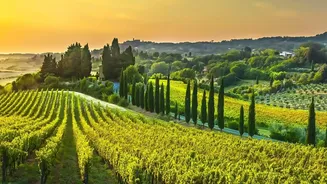
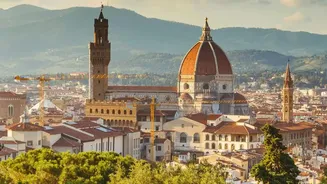
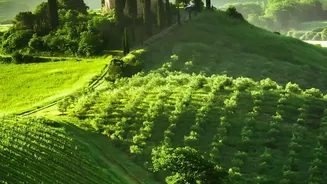
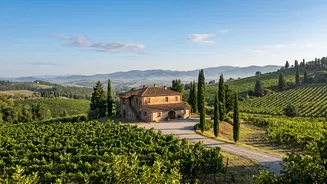
Stretching between Florence and Siena, the Strada Regionale 222 (SR222), known as the Chiantigiana, is the quintessential Tuscan drive. This road meanders through the heart of the Chianti Classico wine region, offering endless views of vineyards and olive groves. Start in Florence and head south. Your first major stop could be Greve in Chianti, often called the gateway to the region, with its unique triangular piazza lined with artisan shops. Continue to Panzano, known for its panoramic views, and Castellina in Chianti, a charming town with medieval fortifications and a covered walkway called Via delle Volte. This route isn't about speed; it's about savouring the journey, with plenty of opportunities to stop at wineries for tastings.
Val d'Orcia: The Picture-Postcard Landscape
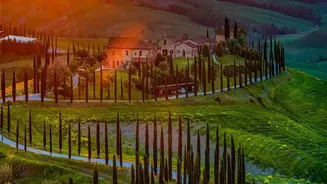
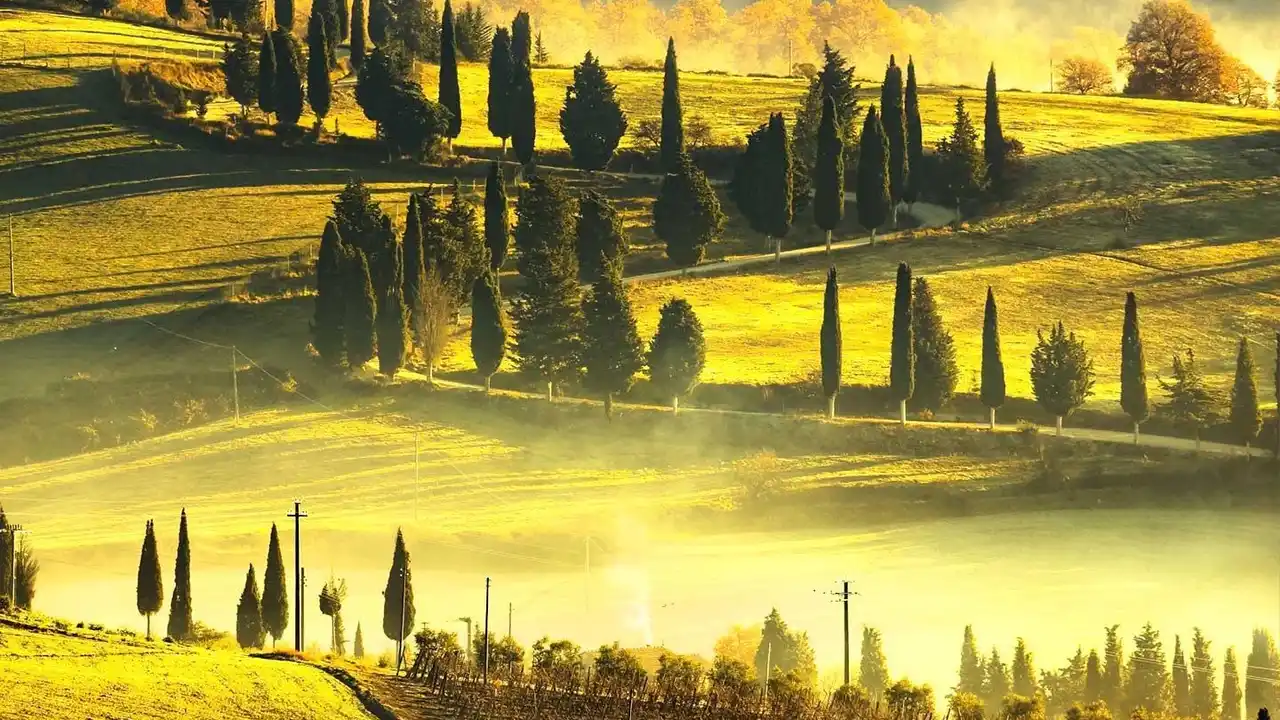
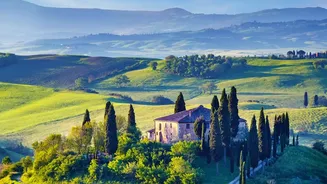
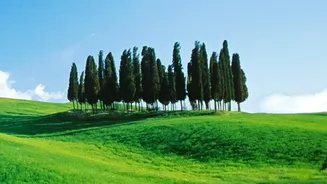
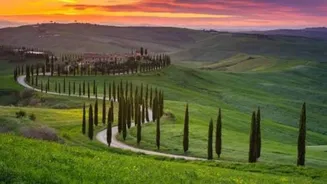
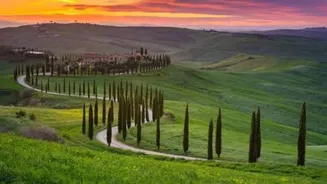
South of Siena lies the Val d'Orcia, a UNESCO World Heritage landscape so beautiful it feels like driving through a Renaissance painting. This region is defined by its sweeping, soft hills, lonely cypress trees, and perfectly preserved towns. Base yourself near Pienza, a model Renaissance town designed for aesthetic perfection, famous for its pecorino cheese and stunning balcony views over the valley. From there, it's a short drive to Montepulciano, a rugged hilltop town celebrated for its Vino Nobile wine, and Montalcino, the home of prestigious Brunello. The drive between Pienza and San Quirico d'Orcia on the SP146 road is particularly breathtaking, taking you past the iconic, much-photographed Cappella della Madonna di Vitaleta.
Don't Miss These Hilltop Havens
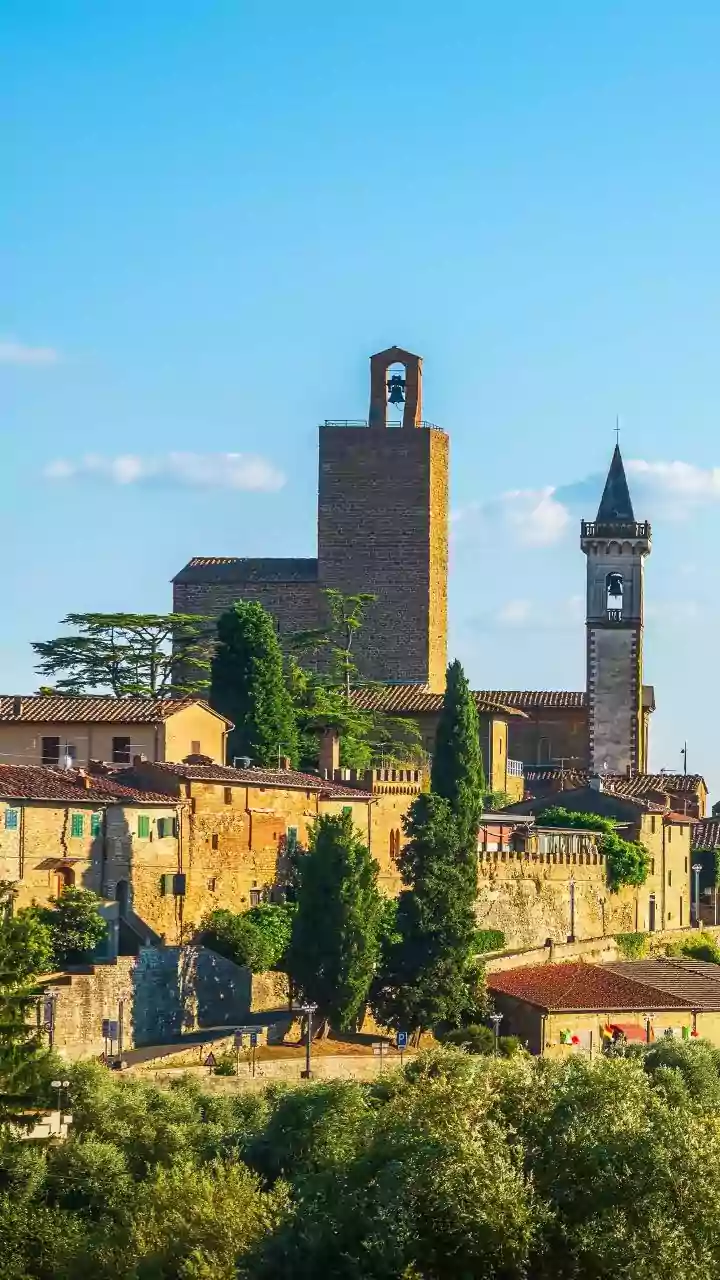
A road trip allows you to easily visit towns that are more challenging to reach otherwise. San Gimignano, with its skyline of medieval towers, is a must-see, though it can be crowded. For a quieter but equally atmospheric experience, visit Volterra, a walled town with Etruscan roots and a reputation for its alabaster workshops. For a truly off-the-beaten-path feel, consider smaller villages like Monticchiello, a tiny, perfectly preserved hamlet near Pienza, or the thermal spa village of Bagno Vignoni, where the main square is a pool of steaming water. These smaller stops offer a glimpse into a more tranquil Tuscan life, away from the main tourist hubs.