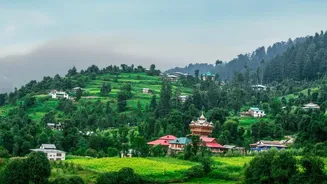






Nestled high in the Caucasus Mountains, the village of Lahij offers more than just a mountain getaway. Here, ancient cobblestone paths lead not only to breathtaking vistas but also into a living history of artisanal heritage.
The Journey Through the Canyon
The adventure to Lahij begins
long before you arrive. Located roughly three hours from Baku, the journey itself is a dramatic introduction to the region's rugged beauty. The road winds through the Girdimanchay River Canyon, a stunning geological marvel whose steep cliffs have historically served as a natural fortress for the village. While once a formidable barrier, a modern road now makes the village accessible, offering travellers spectacular views at every turn. This scenic drive, moving from plains into sharp mountain passes, sets the stage for the timeless atmosphere that awaits in Lahij.
Trails for Every Trekker
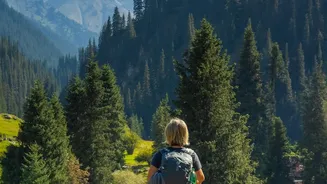
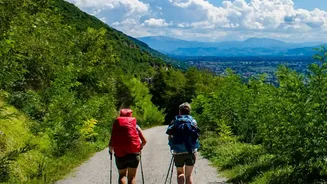
Once you arrive, the surrounding mountains beckon with a network of trails suitable for various skill levels. For those seeking a memorable but manageable day hike, trails leading up to the Niyaldag ridge offer panoramic views of the entire gorge. More experienced hikers might tackle the demanding Muju-Lahij trail, a 10-kilometre route that crosses through the protected forests of Shahdag National Park. This challenging path ascends to 2,000 metres, rewarding trekkers with views of Babadag peak and a true sense of immersion in the Greater Caucasus wilderness. Other routes connect to nearby villages like Zarnava, offering a glimpse into the traditional lifestyles of the local Tat-speaking communities.
A Village Forged in Copper
Lahij is, above all, a village of artisans. With a history stretching back 2,000 years, it was once a bustling hub on the Great Silk Road, home to masters of over 40 different crafts. Today, its identity is most powerfully linked to coppersmithing, a tradition so significant it was inscribed on UNESCO's list of Intangible Cultural Heritage in 2015. As you wander the cobblestone streets, the rhythmic sound of hammers striking metal is a constant companion. Workshops with open doors invite you to watch as artisans transform sheets of copper into ornate trays, jugs, and decorative vessels using techniques passed down through generations. This is not a performance for tourists; it is the living, breathing heart of the village's economy and identity.
Beyond the Anvil and Hammer
While copper may be its most famous export, Lahij's creative spirit extends to numerous other crafts. Historically, the village was also renowned for its blacksmiths, carpet weavers, leatherworkers, hat makers, and woodworkers. Though industrialisation caused many of these trades to decline, several are still practised with pride. You can visit the workshop of a family that has been weaving carpets for decades, or meet artisans who craft traditional leather goods and Papakhi hats for national dances. These crafts provide another layer to the Lahij experience, showcasing a diverse and resilient artisan culture that has endured for centuries.
Planning Your Visit
To truly appreciate Lahij, treat it as more than just a quick souvenir stop. Plan to spend a full day, or even stay overnight in a local guesthouse, to fully absorb its atmosphere. The best time to visit is in the spring or summer, when the weather is mild and the mountain landscapes are lush. Upon arrival, take your time to wander beyond the main commercial street into the smaller side alleys where much of the authentic village life unfolds. Engage with the craftspeople, many of whom are happy to explain their process. A visit here offers a rare opportunity to connect directly with a rich cultural heritage, where every handcrafted item tells a story.