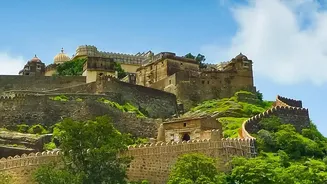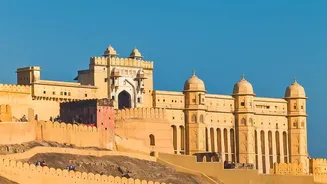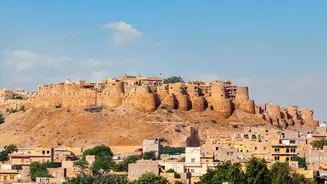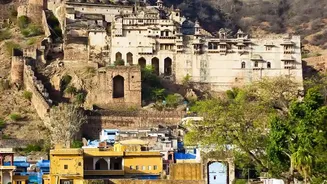




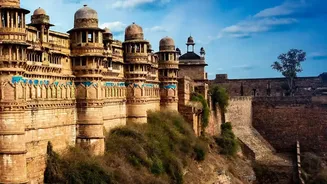
Mehrangarh Fort, Jodhpur
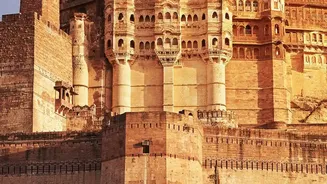
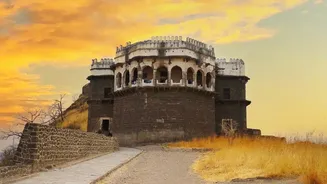
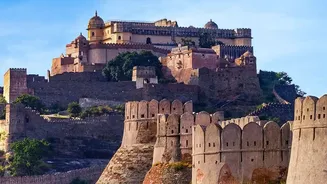
Towering over the blue city of Jodhpur, Mehrangarh is one of India's most formidable forts. But its true treasure lies within the Mehrangarh Museum, established in 1972. This exceptionally well-curated museum isn't just a collection of artifacts; it's
a journey through the life and times of the Rathore dynasty. The galleries are housed within the fort's original palaces, creating a seamless blend of architecture and history. You can marvel at the Haudah Gallery, which displays ornate elephant seats, including one gifted by Mughal emperor Shah Jahan. The Palanquin Gallery showcases the intricate covered carriers used by royal women, telling a story of both luxury and the purdah system. Other galleries like the Daulat Khana and Armoury reveal the artistic and military connections of Marwar, showcasing fine arts, textiles, and a fearsome array of weapons, including swords belonging to emperors like Akbar. The museum’s collection of miniature paintings from the Marwar school provides a vivid glimpse into the culture, religion, and folklore of the region.
The Red Fort, Delhi
The iconic Red Fort in Delhi is a symbol of India's sovereignty, and within its walls lies a narrative of history, rebellion, and freedom. The Archaeological Survey of India (ASI) manages several museums here, housed in repurposed British-era barracks. The Red Fort Archaeological Museum, located in the Mumtaz Mahal, contains paintings, calligraphy, and artifacts from the Mughal era. However, it's the newer museum complex, Kranti Mandir, that truly explores the fort's more recent history. This complex features exhibits on the 1857 War of Independence, the Jallianwala Bagh massacre, and a gallery dedicated to Netaji Subhas Chandra Bose and the Indian National Army (INA). These museums transform a visit to the Red Fort from a purely architectural experience into a poignant lesson on India’s long struggle for freedom, highlighting the lives of the soldiers and freedom fighters who shaped the nation’s destiny.
The City Palace, Udaipur
Perched on the banks of Lake Pichola, Udaipur's City Palace is a sprawling complex that has been continuously inhabited for centuries. The City Palace Museum, opened to the public in 1969, is housed in the historic Mardana and Zenana Mahals (men's and women's quarters). Visiting this museum feels like walking through the home of the Mewar rulers. The collections are deeply personal, shedding light on the living heritage of Mewar. You can see the actual armour worn by Maharana Pratap during the Battle of Haldighati. The galleries showcase a remarkable range of objects: Mewar school paintings rich with vibrant colour, an extensive photography archive with over 28,000 objects, and a Silver Gallery displaying regal items. The Textile and Palanquin Galleries offer a glimpse into the courtly life of both men and women, displaying royal garments and various modes of transport. It’s a museum that successfully preserves the honour and heritage of its people.
The City Palace, Jaipur
The heart of the Pink City, Jaipur's City Palace was conceived by its founder, Maharaja Sawai Jai Singh II. Today, the Maharaja Sawai Man Singh II Museum within the palace offers a window into the opulent world of the Kachhwaha rulers. The Mubarak Mahal, once a reception hall for guests, now houses a stunning Textile Gallery. It displays royal costumes, pashmina shawls, and Benaras silk saris from the last three centuries. Another highlight is the Sileh Khana, or armoury, in the Maharani's Palace, which features a well-preserved collection of Rajput weaponry dating back to the 15th century. The Sabha Niwas gallery is home to the famous Gangajalis – two massive silver urns listed in the Guinness World Records, which Maharaja Sawai Madho Singh II used to carry Ganga water on his trip to England. A newer Painting and Photography Gallery showcases the court's artistic patronage, from traditional miniatures to early photographs taken by the royals themselves.
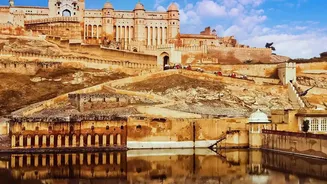
Amer Fort, Jaipur
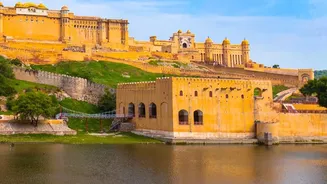
While Amer Fort itself is a sprawling palace complex, the story of its people extends to the crafts they patronised. Located just a short walk from the fort is the Anokhi Museum of Hand Printing, housed in a beautifully restored haveli. While not inside the main fort walls, its proximity and purpose make it an essential part of the Amer experience. The museum is dedicated to the ancient art of block printing, a craft that flourished under royal patronage in the region. It displays a huge collection of traditional and contemporary textiles, alongside the tools of the trade—intricately carved wooden blocks. This unique museum doesn't just show the finished product; it explains the process and the lives of the artisans who have kept this tradition alive for centuries, offering a different but equally important perspective on the people who contributed to the region's vibrant culture.