


The Celebrated Blueprint
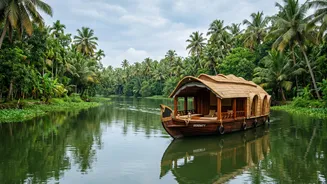
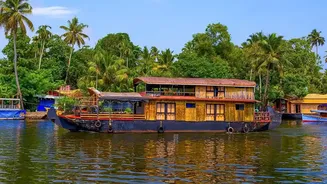
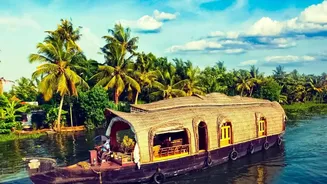
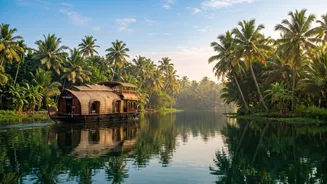
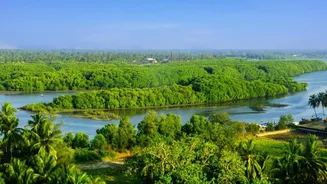
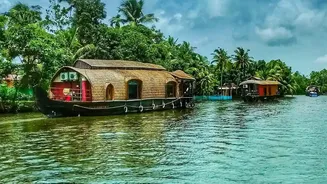
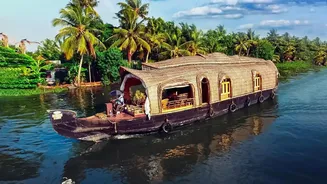
For years, the first and often only story about tourism in Kerala revolved around Kumarakom. This serene backwater village became a global icon for sustainable travel. Launched in 2007, the 'Kumarakom Model' was built on a simple yet revolutionary idea:
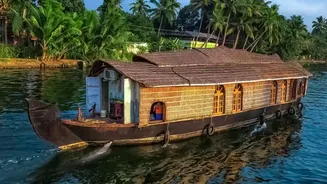
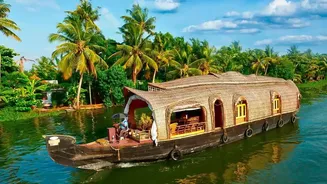
tourism should directly benefit the people and place it touches. Before this, locals often felt excluded as luxury resorts emerged, leading to conflicts over resources. The Responsible Tourism (RT) initiative bridged this gap by creating a powerful ecosystem. It focused on what's known as the 'triple bottom line': economic gains for the community, social preservation, and environmental protection. Resorts began sourcing vegetables, milk, and fish directly from village farmers, keeping revenue within the local economy. Tourists were invited to experience village life, from watching coir making to taking canoe tours with local guides, transforming daily life into a celebrated experience and fostering immense pride. This success earned national and international awards, cementing Kerala's reputation as a pioneer.
From Local Success to Statewide Mission
The triumph of Kumarakom was too significant to remain a standalone experiment. Recognizing its potential, the Kerala government established the Responsible Tourism Mission to replicate and scale this community-centric model across the state. The mission became a nodal agency, expanding the philosophy from the initial four pilot destinations—including Kumarakom, Thekkady, Kovalam, and Wayanad—to over 50 more locations. The core goal remained the same: use tourism as a tool for rural development, poverty eradication, and women's empowerment. The state actively promoted homestays, village life experiences, and the sale of local handicrafts, ensuring that the economic benefits of tourism were distributed more equitably rather than being concentrated in the hands of a few large operators. This structured approach, with strong institutional backing and collaboration with local self-governments, became a globally recognised framework for sustainable tourism governance.
The Story Beyond the Awards
This is where the narrative deepens. While the accolades continue to roll in, the 'current story' of Kerala's sustainable tourism involves grappling with the pressures of success. A key challenge is the risk of 'greenwashing,' where the principles of responsible tourism are used as a marketing buzzword without genuine substance. As more operators join the movement, ensuring authenticity and deep community integration becomes harder. Another concern is over-commercialisation in popular destinations, where high tourist footfall strains the very environment and culture the model aims to protect. There have also been criticisms that despite the high-minded goals, the economic benefits are sometimes inflated or don't trickle down as effectively as intended, and that the state remains dependent on a few specific international markets. Furthermore, the rise of solo travel, particularly among women, has brought safety and infrastructure into sharper focus, prompting the need for new solutions beyond just economic and environmental ones.
Redefining Responsibility for Tomorrow
In response to these evolving challenges, Kerala is actively writing the next chapter of its sustainable tourism story. The government isn't resting on its laurels but is instead innovating. A significant recent development is the 'Green Marshals' initiative, set to launch in October 2026. These trained personnel will be deployed at tourist destinations to assist visitors, monitor safety, oversee waste management, and ensure facilities are properly maintained, with a special focus on making destinations safer for women and solo travellers. There is also a renewed financial commitment, with the 2026-27 budget allocating substantial funds for the RT Mission Society and for developing new tourism circuits like Beypore 'Uru' Tourism. This signals a move towards diversifying attractions to reduce pressure on overcrowded spots. By hosting events like the Global Responsible Tourism Meet, Kerala is also positioning itself as a hub for knowledge sharing, ready to learn from others and refine its own model for a more resilient and genuinely sustainable future.