



Why the Monsoon Upsets Your Stomach
The monsoon season creates a perfect storm for gastrointestinal problems. The combination of high humidity and ambient warmth provides an ideal breeding ground for harmful bacteria, viruses, and parasites. Food spoils faster, and water sources are more
susceptible to contamination. Heavy rains can cause overflowing drains and sewage to mix with clean water supplies, increasing the risk of water-borne diseases like gastroenteritis, cholera, and typhoid. This means that the water from your tap and the food you eat, especially from outside, can carry a higher risk of making you sick.
Water: Your First Line of Defence
Given that contaminated water is a primary culprit for monsoon-related illnesses, ensuring your water is safe is non-negotiable. Never assume tap water is safe to drink without purification. Health experts strongly recommend boiling water for at least one to ten minutes to kill most harmful microorganisms. Using a reliable water purifier with multiple filtration stages (like RO, UV, and MF) is also an effective strategy. When you're outside, always carry your own bottle of filtered or boiled water and avoid drinking water or beverages from roadside eateries, including ice cubes made from unfiltered water.
Mastering Monsoon Food Safety
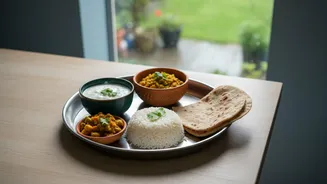
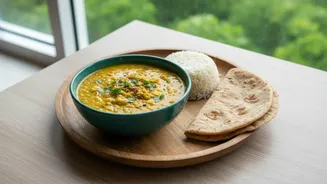
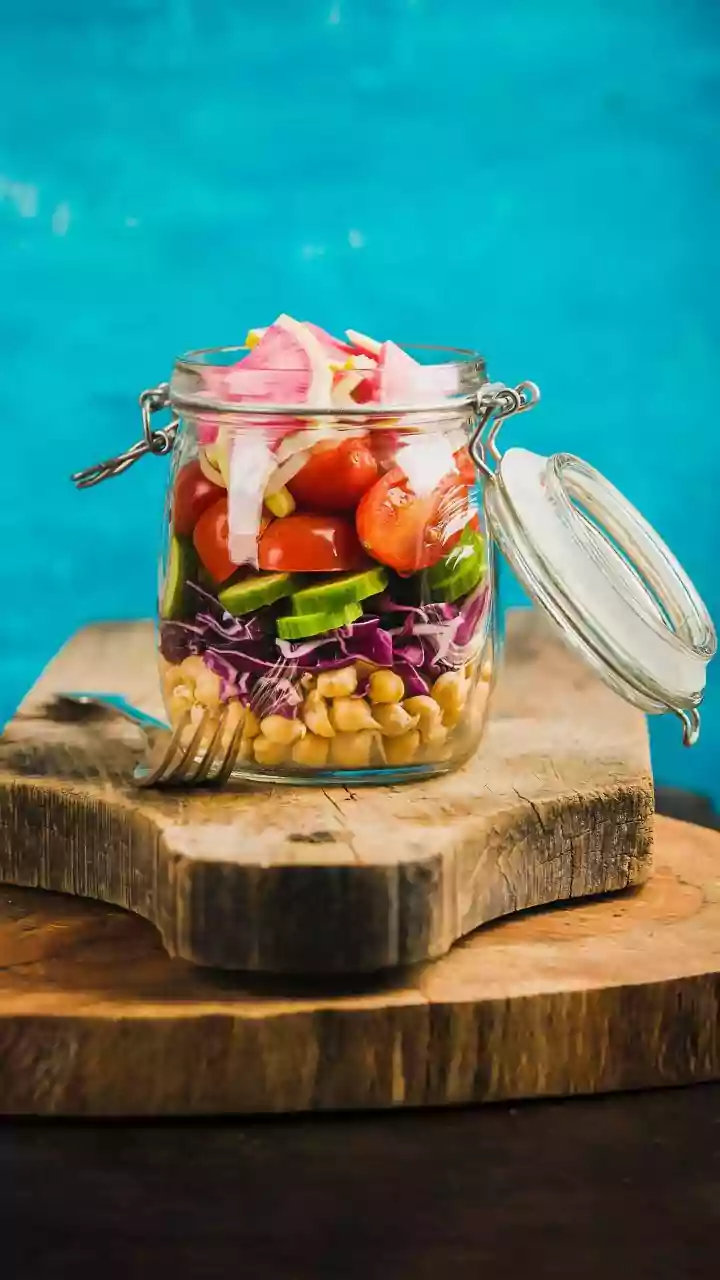
Your kitchen practices need a monsoon-specific upgrade. Start by thoroughly washing all fruits and vegetables under clean, running water. Soaking them in saltwater can help remove germs, especially from leafy greens. Experts advise avoiding raw salads and uncooked foods during this season; instead, opt for steamed or grilled vegetables. It's best to eat freshly prepared, warm meals, as food left at room temperature can quickly become a host for bacteria. If you have leftovers, refrigerate them promptly and reheat them thoroughly before consuming.
The Perils of Eating Out
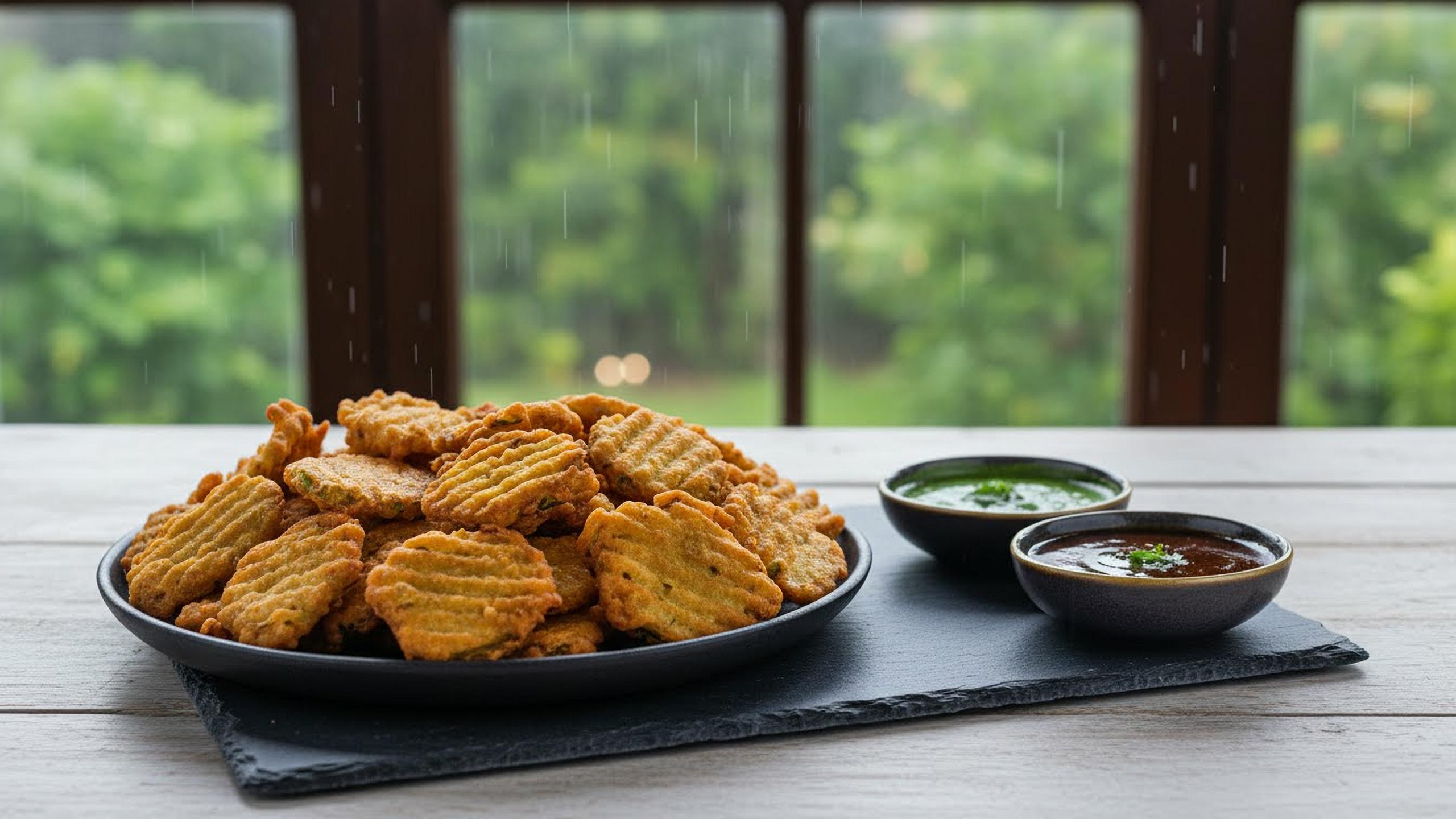
The craving for hot, spicy street food intensifies during a downpour, but this is the riskiest time to indulge. Street vendors often struggle with hygienic food preparation and access to clean water, making their offerings a potential health hazard. Foods like chaat, cut fruits, and juices are particularly prone to contamination. If you must eat out, choose a reputable, clean restaurant. However, the safest bet is to enjoy home-cooked versions of your favourite snacks. Preparing meals at home gives you complete control over the ingredients' quality and the hygiene of your cooking environment.
Boost Your Body’s Natural Defences
Alongside external hygiene, strengthening your internal digestive system and immunity is key. Incorporate natural immunity boosters into your diet, such as ginger, garlic, pepper, and turmeric, which have antimicrobial properties. Herbal teas made with tulsi, ginger, or cinnamon can be soothing and beneficial. Probiotic-rich foods like curd (yoghurt) and buttermilk help maintain a healthy gut flora, which is crucial for good digestion and fighting off pathogens. Opt for light, easily digestible meals like soups and steamed dishes rather than heavy, oily, and fried foods that can slow down your digestion.