

The Unshakeable Comfort of Core Meals
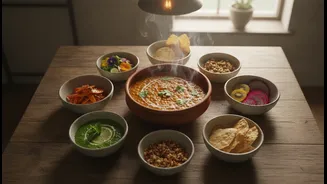
For most Indian households, core meals are the anchor of daily life. These are the dishes that need no recipe—the dal that tastes like home, the perfectly soft rotis, the regional curries passed down through generations. This is more than just food; it’s
a form of security. In a world of endless choices and fluctuating trends, these meals provide a reliable, comforting, and economically sound foundation. They represent cultural identity and the predictable rhythm of home life that many people crave. The pandemic only strengthened this connection, as many returned to home-cooked, traditional food for the sense of safety and hygiene it provided. Sticking to these staples is a practical decision, ensuring that the family is well-fed with nutritious, affordable food every day.
Experimenting on the Fringes
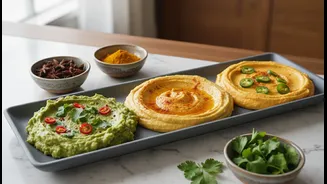
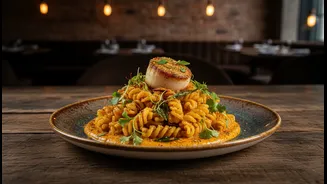
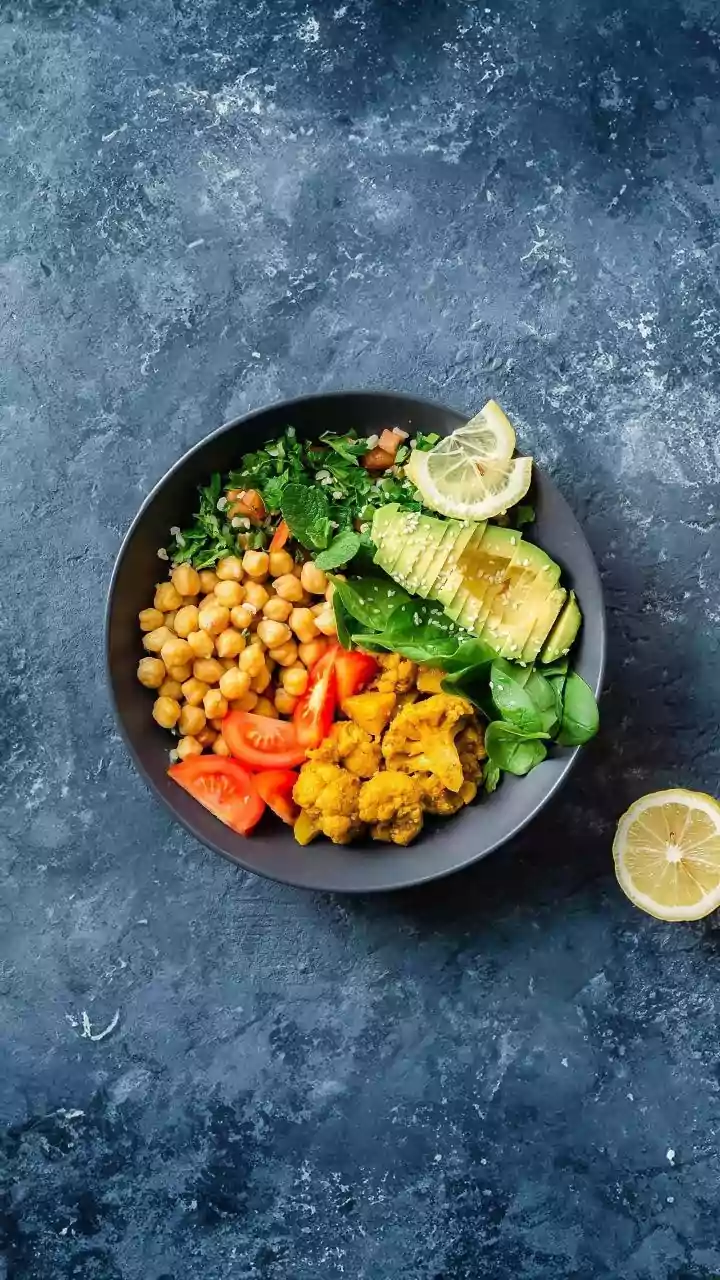
The experimentation happens around this stable core. It’s rarely about replacing the entire meal, but about adding a new twist. This might look like trying a new Korean-inspired snack, adding a sprinkle of edible seeds to a familiar salad, or testing a recipe from a social media influencer on a weekend. The 'edges' are low-risk territories: a new dip to go with an old snack, a gourmet chocolate for dessert, or a small batch of baked goods. This approach allows for culinary curiosity without risking the central meal. It satisfies the desire for novelty—fueled by global exposure through travel and social media—without overwhelming the palate or the budget. Younger generations, in particular, are driving this, blending global curiosity with a need for local comfort.
The Drivers of This Dual Approach
Several factors are shaping this culinary balancing act. Economically, it’s a smart strategy. Core meals are often made from inexpensive staples, while experiments can be contained to smaller, more affordable splurges. Psychologically, it offers the best of both worlds: the safety of the known and the excitement of the new. The rise of social media and quick commerce has also played a huge role. Platforms like Instagram and YouTube expose people to a world of new foods and recipes, while delivery apps make it easy to try a single new ingredient or dish without a major commitment. This trend is also a reflection of changing family structures and lifestyles. With more nuclear families and busier schedules, meals need to be both efficient and interesting.
What It Looks Like in the Indian Kitchen
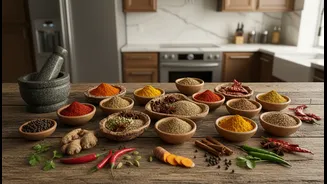
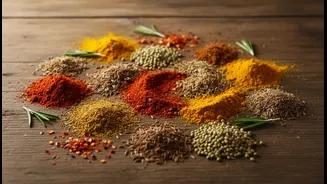
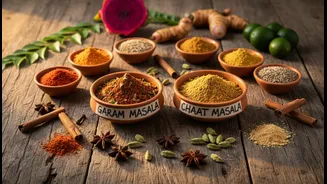
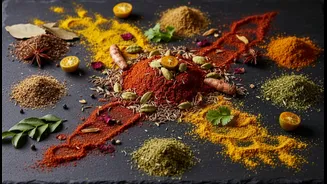
In practice, this trend manifests in fascinating ways. A traditional thali might now include a side of quinoa salad. The spice rack might see a new addition like sumac or za'atar sitting next to the turmeric and coriander. Many are rediscovering 'grandparent' ingredients like millets and local greens, now repackaged as trendy superfoods. The change is often led by younger family members, like Gen Z and Millennials, who research nutrition online and are keen to try plant-based alternatives or protein-rich additions to their diet. They might introduce overnight oats for breakfast while still enjoying a traditional dinner with the family. This fusion isn't forced; it's an organic blending of global trends with a deeply rooted Indian food culture.