






Why Assam is a Birder's Paradise
Nestled in the Eastern Himalayas, Assam's unique geography makes it one of the world's most significant biodiversity hotspots. The Brahmaputra river valley, with its vast floodplains, wetlands, and dense tropical forests, creates a mosaic of habitats
that supports an astonishing variety of avian life. The state is home to over 1,200 species and subspecies of birds, making it a premier destination for both amateur enthusiasts and seasoned ornithologists. The region's Important Bird Areas (IBAs), designated by BirdLife International, underscore its global importance for avian conservation. Winter is a particularly magical time, as migratory birds from Central Asia and Siberia flock to the state's wetlands, joining the diverse resident populations.
Kaziranga: More Than Just Rhinos
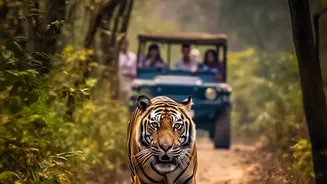
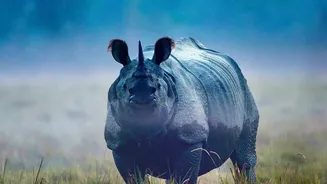
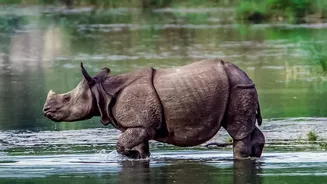
While world-famous for its rhino population, Kaziranga National Park is also an avian paradise with over 500 recorded species. The park's diverse landscape of grasslands, wetlands, and forests provides a sanctuary for a huge range of birds. The Agoratoli (Eastern) Range is widely considered the best zone for birding, as its wetlands attract vast numbers of migratory waterfowl, pelicans, and storks. Here you can spot the Pallas's Fish Eagle, Bar-headed Geese, and the endangered Bengal Florican. Safaris, whether by jeep or elephant, offer fantastic opportunities to see not just the famed mammals but also hornbills, eagles, and kingfishers in their natural habitat.
Manas: A UNESCO World Heritage Site
Manas National Park, bordering Bhutan, is another jewel in Assam's crown. Its varied landscapes, from tropical forests to riverine habitats, are home to a spectacular array of birds, including several endangered species. Manas is a critical habitat for the elusive Bengal Florican. The park also boasts a significant population of hornbills, with the Great Hornbill and Rufous-necked Hornbill often sighted. Birding here provides a chance to see grassland specialists like the Pied Harrier and forest dwellers such as the Silver-breasted Broadbill and Sultan Tit. The park's beauty is matched only by its biodiversity, making it a must-visit for any serious birder.
Nameri: Birding on Foot and by Raft
For a more adventurous birding experience, Nameri National Park offers a unique opportunity to explore on foot and by water. Located in the foothills of the Himalayas, the park is famed for being a protected habitat for the state bird of Assam, the White-winged Wood Duck. Guided forest walks allow for intimate encounters with species like the Blue-bearded Bee-eater and various hornbills. A gentle rafting trip down the Jia Bhoroli river is a tranquil way to spot water birds like the Ibisbill and several species of kingfisher, including the Blyth's and Blue-eared Kingfisher.
Dibru-Saikhowa: A Wetland Wonderland
As one of the nineteen biodiversity hotspots in the world, Dibru-Saikhowa National Park is a mosaic of wetlands, grasslands, and swamp forests. This unique ecosystem, shaped by the Brahmaputra and Lohit rivers, is an ideal habitat for specialist species. It was originally established to protect the endangered White-winged Wood Duck. The park is also a haven for grassland birds like the Marsh Babbler and Jerdon's Babbler. Boat safaris through the park and the nearby Maguri Beel wetland offer incredible sightings of both resident birds and winter migrants, including large flocks of Ruddy Shelducks and Bar-headed Geese. The area is also famous for its population of feral horses.
Planning Your Forest Trail Adventure
The best time for birdwatching in Assam is during the winter months, from November to March. During this period, the weather is pleasant, and the parks are filled with migratory birds, adding to the diversity. Essential gear includes a good pair of binoculars, a field guide to the birds of the Indian subcontinent, and a camera with a zoom lens. It's highly recommended to hire local guides, as their expert knowledge of the terrain and bird calls can significantly enhance your experience and increase your chances of spotting rare species. Dressing in neutral-coloured clothing will help you blend into the environment and avoid startling the birds.