

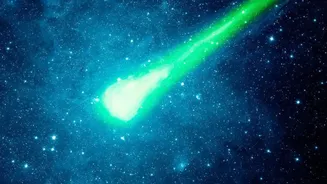
A Fireball in the Frame
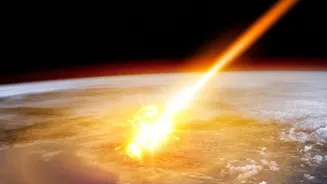
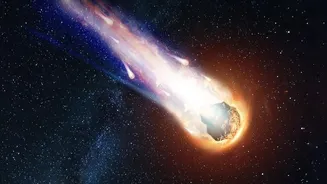
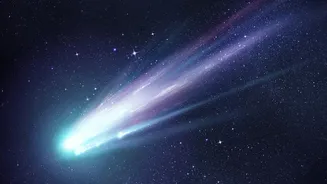
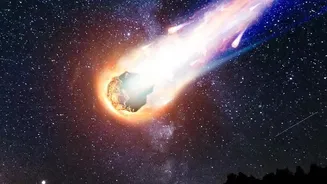
On August 3, 2026, NASA's Astronomy Picture of the Day featured a spectacular meteor that momentarily outshone the distant stars. Captured during a long exposure, the image shows a vibrant trail of light left by a small piece of interplanetary debris
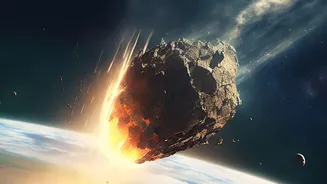
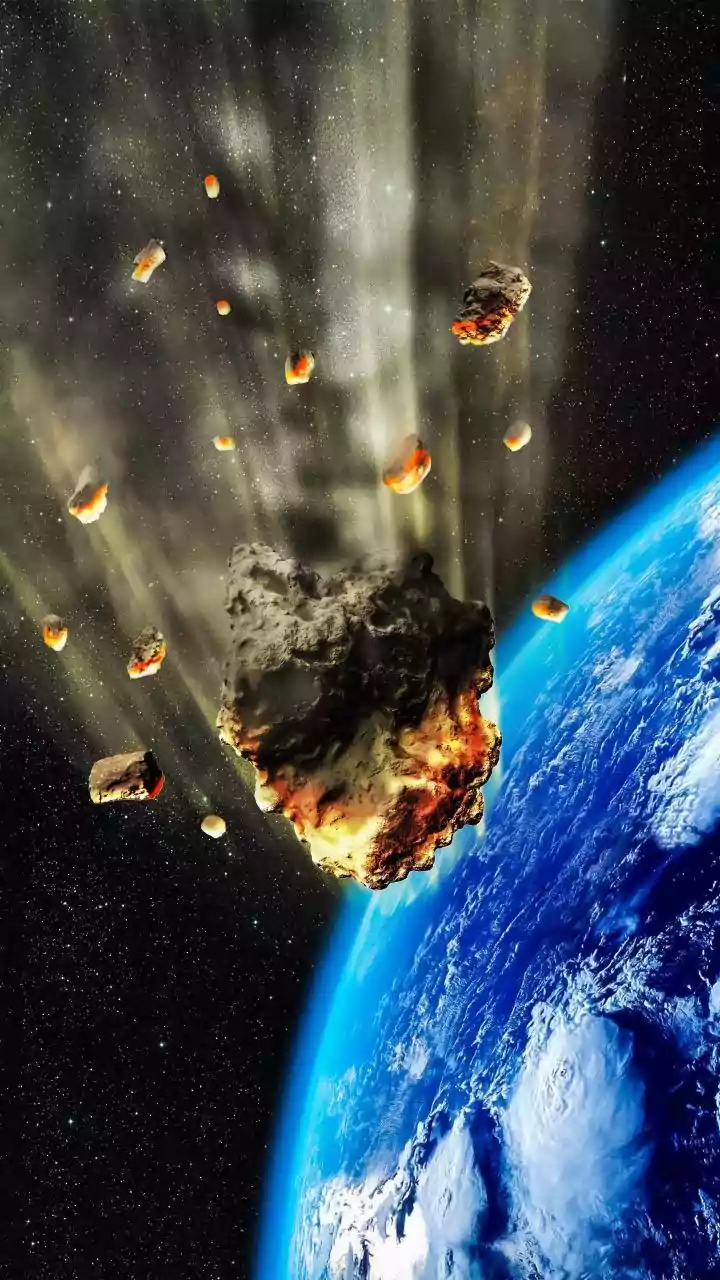
as it vaporised. These exceptionally bright meteors are often called fireballs or bolides. While countless tiny meteoroids enter our atmosphere daily, most are no bigger than a grain of sand and go unnoticed. However, when a larger object, perhaps the size of a pebble or bigger, enters at high velocity, it creates a dazzling display like the one captured, reminding us of the constant interaction between Earth and the cosmos.
More Than Just Friction
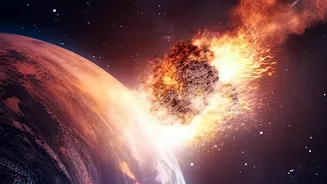
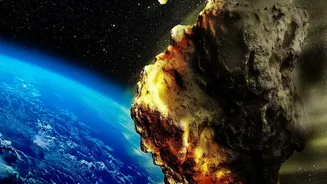
Ask anyone what causes a meteor to burn up, and the most common answer you'll hear is friction. While not entirely wrong, it's an oversimplification. The primary cause of the intense heat that vaporises a meteoroid is actually the extreme and rapid compression of air in its path. As the meteoroid plunges into the atmosphere at speeds that can exceed 70 kilometres per second, it doesn't have time to push the air aside. Instead, it acts like a massive piston, compressing the atmospheric gases in front of it into a superheated pocket of plasma. This process, known as ram pressure, is far more significant than the simple friction of air rubbing against the object's surface.
The Power of Compression
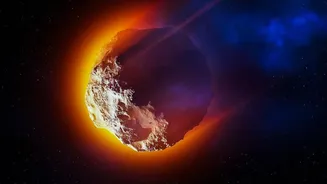
When a gas is compressed rapidly, its temperature skyrockets. For a meteor entering the atmosphere, this effect is astonishingly powerful. The air in front of the object can be heated to thousands of degrees Celsius, temperatures hot enough to rival the surface of the Sun. This intense heat causes the surface of the meteoroid to melt and vaporise, a process called ablation. The glowing trail we see is not just the burning rock itself, but largely this sheath of incandescent, compressed air and the vaporised materials from the meteoroid. The different colours sometimes visible in a meteor's trail can even give scientists clues about the object's chemical composition, with sodium appearing yellow and iron giving off a golden hue.
From Meteors to Spacecraft
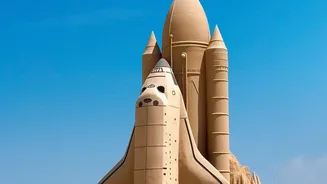
Understanding the physics behind a meteor's fiery demise is not just an academic exercise; it's fundamental to space exploration. When a spacecraft returns to Earth, it faces the same incredible heating challenges. Engineers at NASA and other space agencies must design sophisticated thermal protection systems, or heat shields, to protect the vehicle and its crew or cargo. Early capsules for missions like Apollo used ablative heat shields, which were designed to char and vaporise, carrying heat away in the process, much like a meteor does. Modern spacecraft may use insulating tiles or even experimental new technologies like 'sweating' coolants to survive the scorching journey through the atmosphere. Every meteor that streaks across the sky is a real-world demonstration of the problem that these brilliant engineers must solve.