







The Volatility Factor
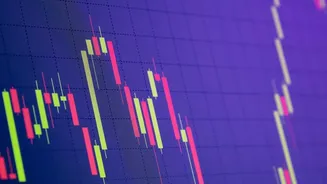
Silver is famously more volatile than gold. This isn't a recent phenomenon but a structural feature of the metal. While both are seen as safe-haven assets, silver's price movements are often sharper and faster. In bull markets, it can surge dramatically,
but during downturns, it can fall just as quickly. Tata Mutual Fund's recent guidance, which suggests a strategic 70:30 split between gold and silver for a precious metals portfolio, is rooted in this reality. The fund house remains bullish on both metals for the long term but prefers gold for its relative stability and defensive characteristics, using the smaller silver allocation to tap into growth while managing risk.
A Tale of Two Markets
The core reason for silver's wild swings lies in its dual identity. Gold is primarily an investment and a monetary asset, hoarded by central banks and investors as a store of value. Silver, however, is both a precious metal and a crucial industrial commodity. Over half of all silver demand comes from industrial applications. It's a critical component in solar panels, electric vehicles, electronics, and 5G technology. This means silver's price is pulled by two different forces: investor sentiment (like gold) and global economic growth, which drives industrial demand. When an economy slows, fears of lower industrial consumption can hit silver prices hard, a factor that doesn't affect gold as directly.
Smaller Market, Bigger Waves
Another key reason for the volatility is simple market size. The global gold market is vastly larger and more liquid than the silver market in dollar terms. Think of it like dropping a stone into a lake versus a pond. A large flow of investment capital into the gold market might cause ripples, but the same amount of money pouring into the much smaller silver market can create a tidal wave, pushing prices up or down much more dramatically. This smaller size, combined with a higher degree of speculative trading, amplifies every market movement.
Supply Can't Keep Up
Unlike gold, where mining can often ramp up to meet price signals, silver supply is notoriously inelastic. Roughly two-thirds of the world's silver is produced as a byproduct of mining for other metals like copper, lead, and zinc. This means that even if silver prices skyrocket, miners can't easily increase production unless it also makes economic sense to mine more of the primary metal. This rigid supply structure, set against a backdrop of rising industrial demand and fluctuating investment interest, creates the perfect recipe for significant price swings and recurring market deficits.
What It Means for Your Portfolio
Tata Mutual Fund's suggested allocation isn't a directive to avoid silver. Instead, it's a strategic framework for managing its inherent risks while capturing its potential. The 30% allocation acknowledges silver's long-term growth story, driven by green energy and technological expansion. However, it caps the exposure to cushion a portfolio against the metal's significant short-term volatility. For the average investor, the message is one of balance. Silver can be a powerful component of a diversified portfolio, but its “sharper swings” mean it should be handled with a clear understanding of your own risk appetite. The fund house advises building exposure gradually through staggered investments rather than chasing sharp rallies with lump-sum amounts.