





A Naturally Fragile Foundation
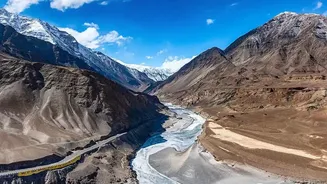
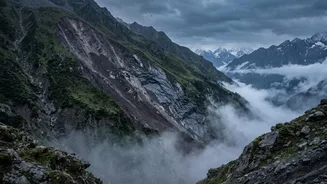
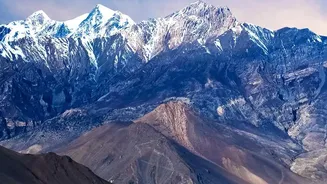
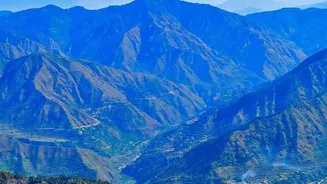
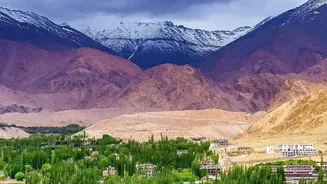
The Himalayas are the world's youngest and most geologically active mountain range. Still rising by several millimetres a year, these mountains are inherently unstable. Their steep slopes, fractured rock formations, and sediment-heavy rivers create a natural
predisposition for disasters like landslides and flash floods. The region is also highly seismic, making earthquakes a constant threat that can further destabilize the terrain. This inherent fragility means the Himalayas have a low tolerance for disturbance, a fact that has been tragically underlined by thousands of disaster incidents in states like Uttarakhand over the past decade.
The Human Fingerprint: Development at Any Cost
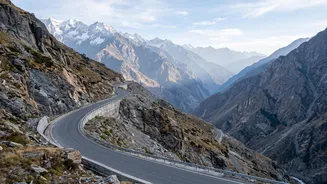
Natural vulnerability is now being dangerously amplified by human activity. For decades, the dominant approach to development has treated the mountains as obstacles to be overcome rather than sensitive ecosystems to be respected. Aggressive and often poorly regulated construction of wide highways, tunnels, hydropower dams, and sprawling tourist hotels has destabilized slopes. Experts note that road construction, in particular, is a major trigger for landslides, as cutting into hillsides removes support and alters natural drainage patterns. This building boom, combined with widespread deforestation, has stripped the mountains of their natural ability to absorb heavy rainfall, turning seasonal monsoons into catastrophic events.
Roads to Ruin and Isolation
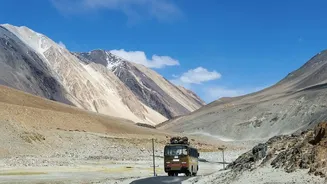
For Himalayan communities, roads are lifelines. They connect remote villages to markets, schools, and hospitals. Yet these vital arteries are often the first casualties of a disaster. Incessant landslides and flash floods frequently wash away entire sections of highways, destroying bridges and cutting off communities for weeks at a time. In a single monsoon season, it is common for hundreds of roads to be blocked in states like Himachal Pradesh, causing immense economic disruption and halting emergency response efforts. This constant cycle of destruction and costly rebuilding highlights the unsustainability of current infrastructure models, which often fail to account for the region’s dynamic geology and changing climate.
Settlements on Shaky Ground
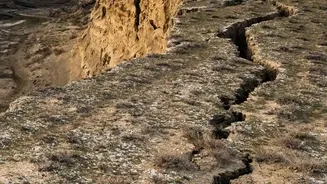
It's not just roads that are at risk; entire towns and villages are facing an existential threat. The expansion of settlements into high-risk zones, such as floodplains and unstable slopes, has put millions of people in harm's way. The land subsidence crisis in Joshimath, where hundreds of buildings developed cracks due to unplanned development, served as a stark warning of what happens when a town's carrying capacity is ignored. Disasters are no longer just damaging property; they are forcing entire communities to migrate. As agricultural land is lost and livelihoods from tourism and forestry are disrupted by climate instability, people are increasingly abandoning their ancestral homes in search of safety and economic security in urban areas.
A Cascade of Consequences
The impact of these repeated disasters is a devastating cascade. The immediate humanitarian cost is measured in lives lost and people missing, with incidents in recent years killing hundreds and displacing thousands. The economic losses are staggering, running into thousands of crores from damaged infrastructure, homes, and agriculture. Hydropower projects, once touted as a clean energy solution, are themselves at risk, with many located in the path of potential glacial lake outburst floods (GLOFs). Tourism, a key economic driver, suffers as destinations become inaccessible or are perceived as unsafe, threatening local economies that depend on visitors.
Rethinking the Path Forward
The relentless cycle of disaster makes it clear that the current model of development is broken. Experts argue for a fundamental shift from aggressive, extractive projects to a more ecologically-sensitive approach. This involves rethinking infrastructure design to work with nature, not against it, by respecting natural drainage and stabilizing slopes. It also means enforcing stricter regulations on construction in fragile zones and investing heavily in robust, community-based early warning systems for landslides and floods. The central question is no longer whether the Himalayas should develop, but how it can be done without sacrificing the environment and the safety of its people.