









The Gold Standard of Cinema
When people talk about Christopher Nolan and his preference for “direct celluloid format,” they are primarily referring to IMAX 15/70mm film. This isn’t just a nostalgic choice; it’s a technical one. A single frame of IMAX 70mm film is enormous—nearly
nine times the size of a standard 35mm frame. This massive negative captures an astonishing amount of visual information, resulting in an image with unparalleled sharpness, depth, and clarity. Nolan himself has described the experience as being like “3D without the glasses,” creating a sense of immersion that makes the screen disappear. For his 2023 film Oppenheimer, the physical film print was 11 miles long and weighed over 270 kilograms, a testament to the sheer scale of the medium. The resolution is estimated to be the equivalent of 18K, far beyond any consumer or even most commercial digital formats available today.
The Director's Uncompromising Vision
For Nolan, using film is not about being old-fashioned; it is about delivering the highest quality image possible to the audience. He believes that IMAX 70mm is the closest cinematic equivalent to what the human eye sees, filling a viewer’s peripheral vision and fully immersing them in the world of the film. This commitment is so absolute that for his next rumoured project, The Odyssey, he reportedly filmed the entire movie in the format, a feat never before attempted. While most films are shot on digital or standard film and perhaps have select sequences in IMAX, Nolan pushes the boundaries by using these cumbersome, noisy, and incredibly expensive cameras for entire productions. It’s an artistic statement that prioritises the theatrical experience above all else, arguing that some stories are so grand they require a presentation to match.
The Vanishing Projector
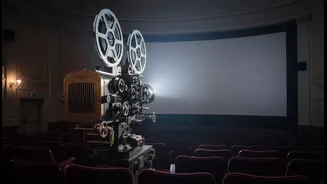
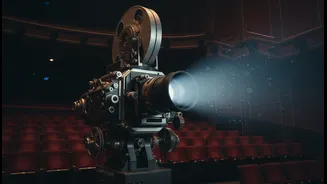
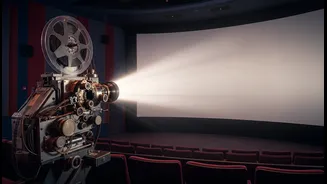
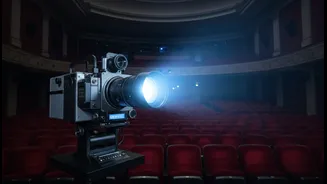
If the format is so good, why can so few theatres show it? The answer lies in the massive industry shift to digital projection over the last two decades. Digital is cheaper, easier to manage, and more reliable. Film projectors, especially the specialised and colossal IMAX 15/70mm machines, are incredibly expensive to maintain and require highly trained projectionists to operate. In fact, no new IMAX film projectors have been manufactured in decades; the existing ones are refurbished units. When Oppenheimer was released, only 30 theatres in the entire world were equipped for the IMAX 70mm presentation. For The Odyssey, that number has reportedly increased to around 41 after IMAX restored several more projectors, but that still represents a tiny fraction of cinemas globally.
What This Means for India
For cinephiles in India, the news is disappointing. There are currently no commercial theatres in the country equipped to project IMAX 15/70mm film. While India once had a few such screens, they have all been converted to digital systems. A single projector capable of the format exists at the Gujarat Science City, but it is used for educational screenings, not commercial blockbusters. This means that when a film like The Odyssey releases, Indian audiences will see a digitally remastered version, likely in Digital IMAX or IMAX with Laser. While these formats are still a significant step up from a standard screening, they cannot replicate the full aspect ratio or the unique visual texture of the original 70mm film print. The most dedicated fans would have to travel internationally to see the film as Nolan intended.