




The Ripeness Rainbow: A Nutritional Shift
The single most important factor in a banana's nutrition isn't the clock—it's the colour. As a banana ripens, its composition changes dramatically. A green, unripe banana is packed with resistant starch. This complex carbohydrate acts more like fibre,
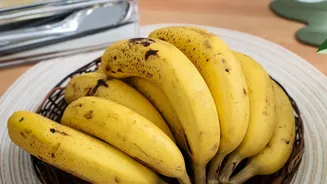
resisting digestion in the small intestine and feeding the good bacteria in your gut. As the banana turns yellow, enzymes convert that starch into simple sugars like glucose, fructose, and sucrose, making it sweeter and a source of quick energy. A fully ripe, brown-spotted banana has the highest concentration of simple sugars, making it the sweetest and easiest to digest.
For Blood Sugar Control & Satiety
If your goal is to manage blood sugar or stay full longer, a greener banana is your best bet. Because they are high in resistant starch and lower in sugar, they have a low glycemic index (GI) of around 30-42. This means they release glucose into the bloodstream more slowly, preventing sharp spikes and crashes. The resistant starch also promotes a feeling of fullness, which can help with weight management by reducing the urge to snack between meals. While not a magic weight-loss food, choosing a less ripe banana is a strategic move for steady energy and appetite control.
For a Pre-Workout Energy Burst
Need a quick and easily digestible fuel source before hitting the gym? A ripe, yellow banana is the perfect choice. By this stage, the starches have converted to simple sugars, which your body can rapidly absorb and use for immediate energy. This is ideal for powering a workout without feeling weighed down. Furthermore, bananas are famous for their potassium content, an essential electrolyte that helps with muscle function and can prevent cramping during exercise. Eating one about 30-60 minutes before your workout tops off your energy stores efficiently.
For Digestive Ease or Natural Sweetness
For those with sensitive digestion, a very ripe, brown-spotted banana can be a great option. At this stage, nearly all the starch has turned to sugar, making the fruit incredibly easy for the body to break down. While they have a higher GI, their soft texture and sweet flavour make them a gentle option. This also makes them a fantastic natural sweetener for smoothies, oatmeal, or baking, allowing you to add sweetness without resorting to refined sugars.
The Power of Pairing: The Ultimate Context
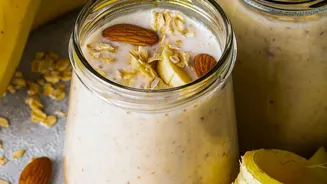
Perhaps the most crucial piece of context is what you eat with your banana. Eating a banana alone, especially a ripe one, can cause a relatively quick rise in blood sugar. However, pairing it with a source of protein or healthy fat completely changes the equation. Adding a scoop of peanut butter, a handful of almonds, or a bowl of Greek yoghurt slows down the absorption of the banana's sugar. This combination creates a more balanced snack that provides sustained energy and greater satiety, making it suitable for any time of day, whether for breakfast or as an afternoon pick-me-up.
Debunking the 'No Bananas at Night' Myth
One of the most persistent myths is that eating bananas at night is unhealthy or leads to weight gain. There is no strong scientific evidence to support this claim. What truly matters for weight management is your total daily calorie intake, not the timing of a single fruit. In fact, bananas contain nutrients like magnesium and potassium, which can help relax muscles, and tryptophan, which is a precursor to sleep-regulating hormones like serotonin and melatonin. As long as it fits within your daily needs and doesn't cause you discomfort, a banana can be a perfectly healthy evening snack, especially when paired with a little protein to stabilize blood sugar through the night.