


Meet the 12Cilindri
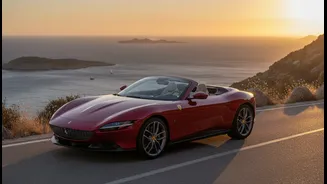
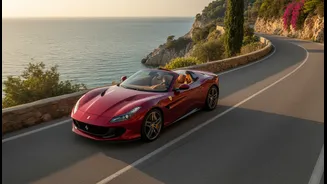
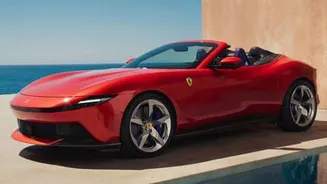
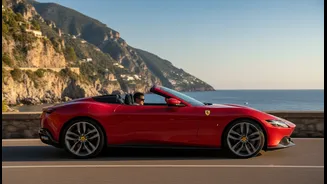
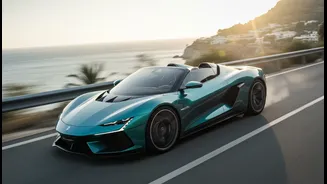
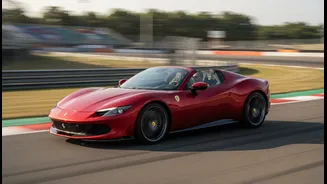
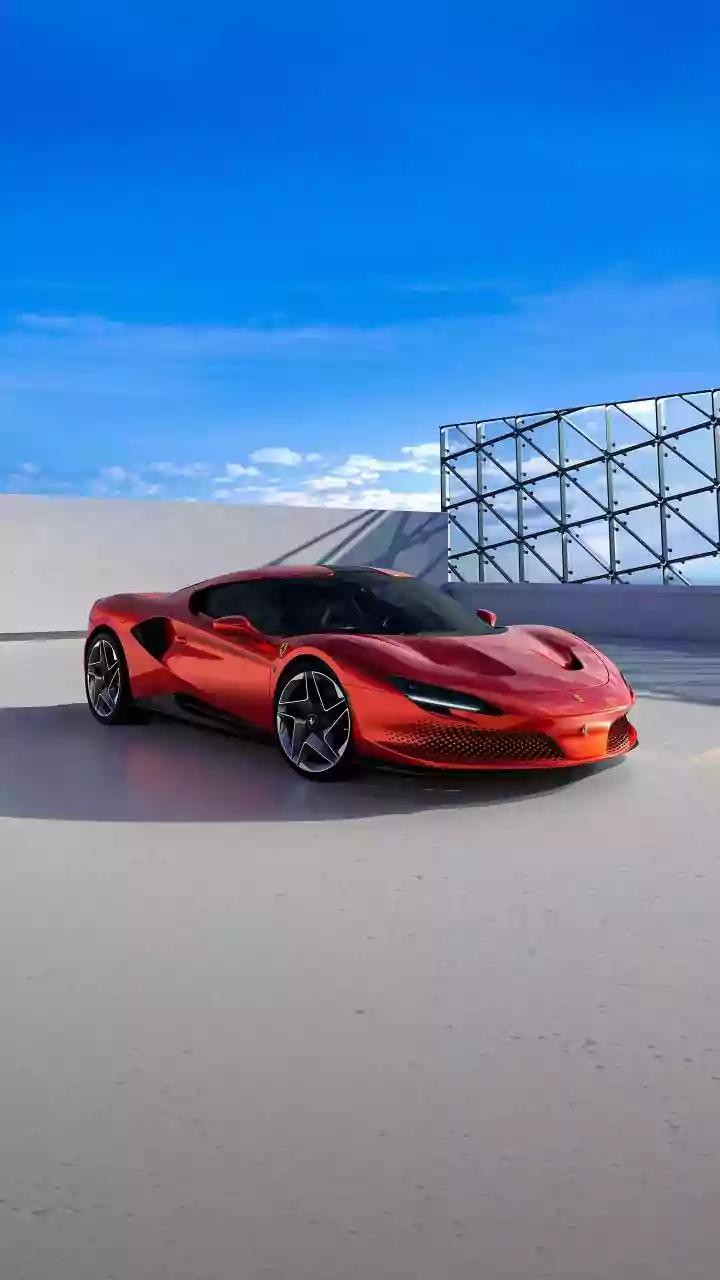
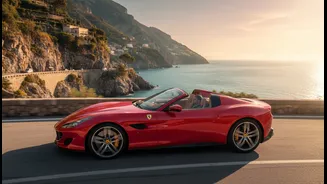
Ferrari has unveiled its latest front-engined grand tourer, the 12Cilindri, which serves as the successor to the acclaimed 812 Superfast. Available as both a hardtop coupe and a retractable hard-top Spider, the car's name is a direct tribute to its heart:
a naturally aspirated 6.5-litre V12 engine. This magnificent power plant produces a staggering 819 horsepower and revs to an incredible 9,500 rpm. The core of this story, however, isn't just the engine's raw power. It's the fact that Ferrari claims the Spider version, despite being a convertible, can sprint from 0-100 km/h in an identical 2.9 seconds as its lighter coupe counterpart. This achievement challenges a long-standing principle in performance car engineering.
The Convertible Conundrum
Traditionally, creating a convertible version of a coupe involves more than just removing the roof. A fixed roof is a crucial structural component of a car's chassis, contributing significantly to its rigidity. Removing it means engineers must add strengthening braces elsewhere, typically to the sills and floorpan, to prevent the car from flexing and twisting. This extra reinforcement adds weight, which is the enemy of performance. More weight blunts acceleration, compromises handling, and can affect braking distances. The new 12Cilindri Spider is 60kg heavier than the coupe, a penalty attributed to the roof mechanism and necessary chassis reinforcements. This makes its identical sprint time not just impressive, but a genuine engineering puzzle.
A Masterclass in Engineering
So, how did Ferrari's engineers make a heavier car just as quick? The answer lies in a holistic approach that combines advanced materials, sophisticated software, and clever aerodynamics. The all-aluminium chassis uses larger castings to improve rigidity, while some engine components, like the connecting rods, are made from lightweight titanium to reduce rotating mass. The Spider shares the same eight-speed dual-clutch transmission as the coupe, which delivers incredibly fast shifts. Crucially, all the advanced electronic systems, including four-wheel steering, Side Slip Control 8.0, and the ABS Evo system, are carried over to the Spider without alteration, ensuring its chassis can deploy the V12's immense power with maximum efficiency.
Torque Shaping and Aerodynamic Wizardry
Two key innovations stand out. First is the 'Aspirated Torque Shaping' system. This clever software adjusts the engine's torque curve in third and fourth gears, creating a feeling of constant, linear acceleration all the way to the redline. While it sounds counterintuitive to electronically manage torque, Ferrari claims it optimizes power delivery for a more thrilling experience without slowing the car down. Secondly, the aerodynamics are just as advanced as the coupe's. The Spider retains the active aero flaps on the rear decklid, which automatically adjust to either reduce drag or generate up to 50kg of downforce for improved stability at high speeds. The airflow over and into the cabin is also meticulously managed, allowing for comfortable conversation even at speeds over 120 mph with the top down.
An Uncompromised Experience
Ultimately, the 12Cilindri Spider delivers on the promise of offering an open-air experience with no discernible performance penalty. The retractable hardtop opens or closes in just 14 seconds at speeds of up to 45 km/h, and when raised, the car is said to be as refined and quiet as the coupe. In fact, some argue the Spider offers a superior experience. The open roof provides an unfiltered connection to the V12's incredible soundtrack, an operatic experience that is central to the Ferrari mystique. By maintaining identical acceleration and top speed figures, Ferrari has ensured that choosing between the coupe and the Spider is purely a matter of preference, not a question of compromising on performance.