





The Oiling and Dandruff Paradox
For many, oiling is the go-to solution for any hair concern, from dryness to hair fall. The conventional wisdom is that a dry scalp causes dandruff, and oil is the obvious fix. However, this isn't always the case. Dandruff is often caused by an overgrowth
of a naturally occurring yeast-like fungus on the scalp called Malassezia. This microbe feeds on the scalp's natural oils (sebum). When you apply heavy oils and leave them on for extended periods, like overnight, you might be providing an all-you-can-eat buffet for this fungus. This can lead to an explosion in its population, triggering scalp irritation, increased flaking, and more visible, greasy dandruff. While oiling can feel soothing at first, leaving it on for more than a few hours may make dandruff worse by causing flakes to clump together and stick to the scalp.
It’s About Method, Not Just the Oil
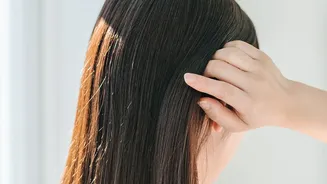
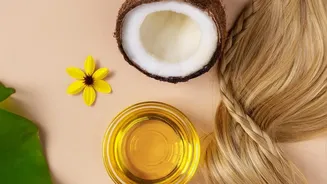
This doesn't mean you have to abandon oiling altogether. The key is to adapt your technique. Experts suggest that for those with dandruff, a short-contact application is much safer and more effective. Instead of leaving oil on overnight, consider applying it for just 30 to 60 minutes before washing your hair. This gives enough time for the oil to provide its conditioning benefits to the hair shaft without creating a prolonged feast for scalp microbes. Focus the application on the hair strands rather than saturating the scalp, especially during a flare-up. Massaging gently can help stimulate circulation, but be sure to wash the oil out thoroughly with a mild or medicated shampoo. Some professionals even suggest applying shampoo to your oiled hair before adding water to help it bind to the oil and rinse away more effectively.
Choosing the Right Oils
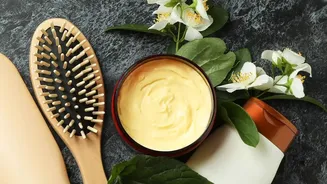
Not all oils are created equal when it comes to a dandruff-prone scalp. Since Malassezia thrives on certain types of fatty acids, some oils can be more problematic than others. Oils with antifungal and antibacterial properties can be beneficial. Tea tree oil is a popular choice for its ability to help balance yeast on the scalp, but it's potent and must be diluted with a carrier oil. Neem oil and lemongrass oil also have properties that can soothe an itchy scalp. Coconut oil is often recommended due to its lauric acid content and antimicrobial benefits, but it should still be used in moderation and not left on for too long. Lighter oils like jojoba, which mimics the scalp's natural sebum, or argan oil might be better tolerated than heavier options. It's wise to be cautious with oils like olive oil, as their fatty acid profile can be a food source for Malassezia.
A Holistic Approach to Scalp Health
Managing dandruff often requires more than just adjusting your oiling routine. Consistent scalp hygiene is crucial. Regular washing with a targeted anti-dandruff shampoo containing ingredients like ketoconazole, salicylic acid, or zinc pyrithione can help control the Malassezia population and remove the build-up of dead skin cells and oil. Many people with dandruff avoid frequent washing, fearing it will dry out their scalp, but this can actually make the problem worse by allowing oil and flakes to accumulate. Pay attention to other factors as well, such as stress levels and diet, which can influence scalp health. If your dandruff is severe, persistent, or accompanied by significant redness and irritation, it might be a sign of a more inflammatory condition like seborrheic dermatitis, and it's best to see a professional.