


The British Brew That India Made Its Own
While tea has ancient roots in India, once used in medicinal concoctions, the culture of drinking it daily was a British colonial import. The British East India Company began large-scale tea cultivation in regions like Assam in the 1820s and 1830s, primarily
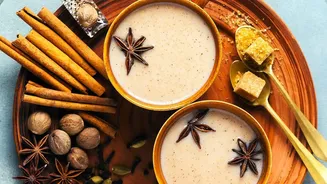
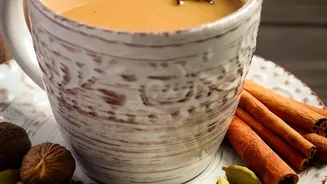
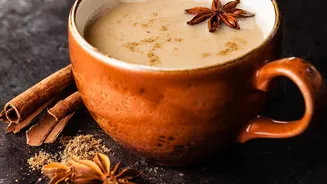
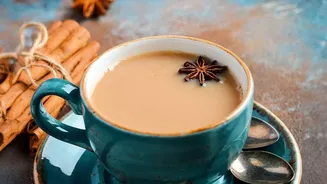
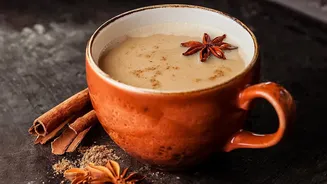
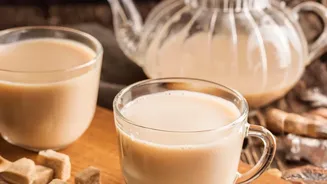
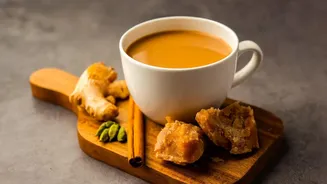
to break China's monopoly and create a global export industry. Initially, tea was a luxury for the British elite. To create a local market, British companies aggressively marketed tea to Indians, even introducing chai-wallahs at factories and on streets. But Indians didn't just adopt the drink; they transformed it. They added milk, sugar, and a symphony of local spices like ginger, cardamom, and cloves, giving birth to the iconic Masala Chai and turning a colonial product into a symbol of Indian hospitality.
Kashmir's Salty Pink Elixir: Noon Chai
Travel to the valleys of Kashmir, and you'll find a tea that looks and tastes unlike any other in India. Noon Chai, also called Sheer Chai or Gulabi Chai, is a striking pink beverage with a unique savoury taste. The word 'noon' itself means salt in the Kashmiri language, which is a key ingredient. This traditional tea is made with special green tea leaves, milk, and a pinch of baking soda. The magic happens during the brewing process: the baking soda reacts with the tea leaves, which are boiled until they produce a deep burgundy liquid. When milk is added to this decoction, it transforms into a beautiful blush pink. Often garnished with chopped nuts, Noon Chai is more than a drink; it's a warm embrace against the region's chilly climate and a centerpiece of Kashmiri hospitality.
Mumbai's Lifeline: The Cutting Chai
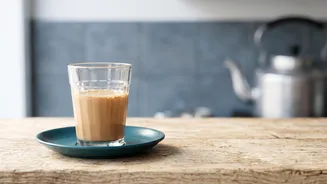
In the fast-paced, bustling metropolis of Mumbai, time and money are precious commodities. This is where 'cutting chai' thrives. The term 'cutting' refers to a half-portion of the strong, sweet, milky masala chai, served in a small glass. It's an affordable and quick energy boost, the local equivalent of an espresso shot. Cutting chai is the fuel for the city's working class, served piping hot at countless roadside stalls, known as 'tapris'. It's more than just a quick drink; these tea breaks are vital moments for social connection, where friends gather and colleagues catch up. You won't typically find cutting chai served in homes; it's a quintessential street culture phenomenon, embodying the spirit of Mumbai—efficient, economical, and always on the move.
Hyderabad's Persian Legacy: Irani Chai
In Hyderabad, chai tells a story of migration and cultural fusion. Irani Chai was brought to the city by Persian immigrants in the 19th century. These immigrants established iconic Irani cafes that became social hubs for conversation and community, shaping the city's cultural fabric. The preparation of Irani Chai is distinct. The tea decoction is brewed separately from the milk, which is slow-boiled for hours until it becomes thick, creamy, and slightly sweetened, almost like condensed milk. To serve, the thick milk is poured into a cup, followed by the strong, dark tea decoction. Often enjoyed with Osmania biscuits, this rich, velvety chai is less about a spicy kick and more about a soothing, creamy indulgence that reflects its unique Persian heritage.
Bengal's Zesty Brew: Lebu Cha
In West Bengal, particularly in Kolkata, the preferred brew is often a refreshing departure from milky teas. Lebu Cha, which translates to 'lemon tea' in Bengali, is a zesty and tangy concoction that's a staple in households and on street corners. It’s a simple yet flavourful drink made by brewing strong black tea without milk. Freshly squeezed lemon juice is then added, along with a special spice mix known as 'moshla'. This moshla, which varies from one vendor to another, often includes black salt, pepper, and ginger, giving the tea its signature sweet, salty, and sour taste. Served hot, Lebu Cha is considered a delightful digestive after a heavy meal and a perfect pick-me-up, embodying the spirited and intellectual 'adda' culture of Bengal.