


A New Frontier in Nocturnal Tourism
Wildlife enthusiasts have a major new destination to add to their future travel lists. The Central Zoo Authority has officially given the green light to an ambitious zoological park and night safari in Deesa, located in the Banaskantha district of Gujarat.
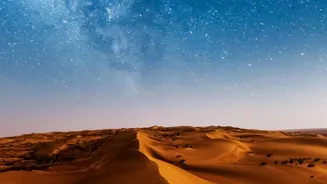
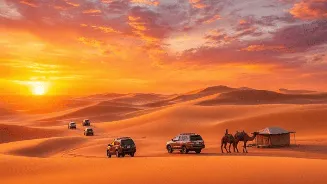
Billed as the first of its kind in Asia, this project moves beyond the typical forest setting of most wildlife parks, centering instead on the unique arid ecosystems of the desert. The drive-through safari will allow visitors to observe nocturnal creatures in a habitat that mimics their natural environment, providing an immersive experience after sunset when many desert animals are most active. The site, spanning over 103 hectares, was chosen for its natural sand dunes and proximity to the Banas river, offering an authentic canvas for this innovative park.
Designing the Desert Experience
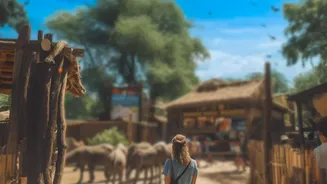
This isn't just a zoo that stays open late; it's a meticulously planned environment built around a desert theme. The estimated ₹542.14 crore project will feature five dedicated enclosures for the night safari, alongside a separate daytime zoo. The drive-through format is a key part of the design, allowing for a safari-style journey through landscapes crafted to reflect the world's arid regions. Planners intend to house an incredible diversity of life, with separate, spacious enclosures for herbivores and carnivores. Beyond the main safari, the complex will host a range of other attractions, including a reptile safari, a dedicated reptile house, an aviary for bird species, a butterfly park, and even a rainforest biome and aquarium, creating a multi-faceted ecological destination.
The Stars of the Show
The park is planned to be a global ark, housing approximately 2,700 animals from nearly 83 different native and exotic species. The lineup of Indian species celebrates the country's own desert wildlife, with plans to feature the chinkara, blackbuck, Indian wild ass, Asiatic lion, leopard, sloth bear, and the elusive Indian desert fox. But the collection will also have a significant international flavour. Visitors can expect to see iconic animals from African deserts, including the Angolan giraffe, African cheetah, black rhinoceros, and fennec fox. The park also plans to showcase species from Australia, such as kangaroos and emus, making it a comprehensive exhibit of creatures adapted to arid environments from across the globe.
More Than Just a Tourist Attraction
While the project is poised to become a major tourism magnet for North Gujarat, its mission extends far beyond entertainment. Officials have emphasised that the facility will serve as a crucial centre for conservation, education, and animal welfare. The park will run conservation breeding programmes for endangered species, serving as a genetic repository and helping to bolster vulnerable populations. Furthermore, it will function as a rescue and rehabilitation centre for local wildlife. An interpretation centre is also part of the master plan, aimed at providing visitors with deep insights into the importance of desert ecosystems and the animals that inhabit them. This dual focus on tourism and conservation positions the Deesa project as a modern, responsible approach to wildlife management.