


Anatomy of a Perfect Bite
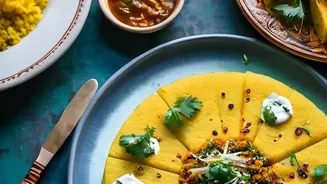
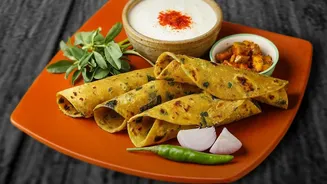
At its heart, the aloo paratha is a masterclass in texture and flavour. It consists of a whole wheat flatbread, pan-fried to achieve a crispy, golden-brown exterior, often glistening with ghee. This satisfying outer layer gives way to a soft, steaming
interior filled with a spiced mashed potato mixture. The filling is a savoury blend of boiled potatoes, often enhanced with finely chopped green chillies, ginger, fresh coriander, and a mix of spices that can include cumin, garam masala, and dried pomegranate seeds for a tangy note. The contrast between the flaky, crisp dough and the fluffy, flavourful stuffing makes every bite a deeply satisfying experience.
A Dish with Humble Roots
The story of the aloo paratha is intertwined with the agricultural history of the Indian subcontinent. While layered flatbreads, or parathas, have ancient origins, the 'aloo' version is a more recent development. Potatoes arrived in India via Portuguese traders in the 17th century and gradually became a staple crop. The dish itself is widely believed to have originated in the Punjab region, a land where both wheat and potatoes were plentiful. It was born out of practicality—a hearty, affordable, and filling meal perfect for sustaining farmers through a long day's work. From these humble beginnings, it spread across the country with migrating populations, becoming a beloved comfort food far beyond its original home.
More Than a Meal, It's a Memory
For many, the aloo paratha is not just food; it's nostalgia served on a plate. It evokes cherished memories of childhood, of Sunday mornings when the usual quick breakfast was replaced by this special treat, often prepared with love by a mother or grandmother. The act of making parathas can be a family affair, with members helping to peel potatoes or eagerly waiting by the stove. Its presence signals comfort, togetherness, and the simple joy of a home-cooked meal. This emotional connection is a key reason why it remains a fixture on breakfast tables, in roadside dhabas, and in lunchboxes across the nation.
The Art of the Perfect Accompaniment
An aloo paratha is rarely served alone. The experience is elevated by a trio of classic accompaniments that balance its richness. A generous dollop of white butter (makhan) melting on the hot paratha is considered non-negotiable by many purists. Cool, plain curd (dahi) or a seasoned raita provides a refreshing contrast to the warm, spiced flatbread, cleansing the palate. Finally, a tangy pickle (achaar), such as mango or lemon, adds a sharp, spicy kick that cuts through the richness of the ghee and potatoes. Together, these elements create a perfectly balanced and unforgettable meal.
A Canvas for Creativity
While the classic recipe is revered, the aloo paratha is also incredibly versatile. Households and regions across India have put their own spin on the dish. Some variations include finely chopped onions in the potato mixture for added sweetness and texture, a popular style in dhaba preparations. Others might add grated paneer or cheese for extra richness, or other vegetables like peas and carrots. The spice blend itself is open to interpretation, with some preferring the subtle heat of ginger and green chillies, while others add a bolder mix of garam masala, coriander powder, or carom seeds (ajwain). This adaptability ensures that the aloo paratha can cater to every palate while staying true to its comforting soul.