







The Latest Callbacks: What Owners Need to Know
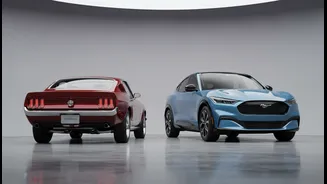
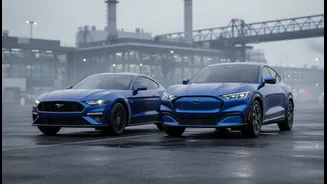
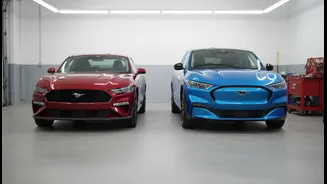
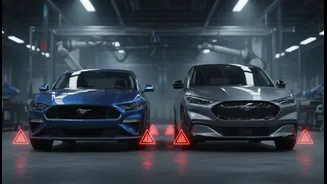
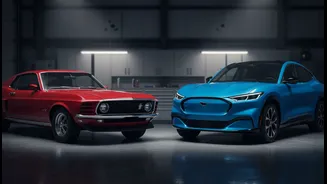
The latest safety action from Ford involves two separate campaigns affecting its iconic pony car lineup. The first recall covers 42,784 Mustang Mach-E electric SUVs from the 2021 to 2023 model years. According to filings with the National Highway Traffic
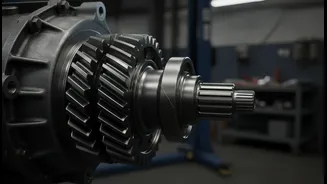
Safety Administration (NHTSA), the rear differential pinion shaft in these rear-wheel-drive models can fracture, leading to a sudden loss of power. This failure could also cause the vehicle to roll away if placed in 'Park' without the electronic parking brake engaged, significantly increasing crash risk. The second recall affects 67,842 gasoline-powered Mustang and Mustang GTD models from 2024 to 2026. In these cars, the windshield wiper motor can malfunction in cold conditions, leaving drivers with only the high-speed setting or a non-functioning washer system, which can dangerously reduce visibility. Ford has stated it will notify owners and dealers will perform the necessary repairs and replacements free of charge.
A Pattern of Problems
These latest recalls are not isolated incidents but part of a much larger, troubling trend for the Detroit automaker. For the last several years, Ford has led all manufacturers in the sheer number of recall campaigns. In 2025, the company set an industry record with 153 separate recalls, impacting nearly 13 million vehicles. That figure was nearly double the previous record held by a competitor. The issues have spanned nearly the entire Ford lineup, from its best-selling F-150 pickups to popular SUVs like the Explorer and Bronco, and now its flagship electric vehicle, the Mach-E. The problems have ranged from software glitches in rearview cameras and instrument clusters to critical mechanical failures involving transmissions, fuel injectors, and suspension components. This drumbeat of quality issues has tarnished the brand's reputation and created concern among consumers and industry analysts alike.
Why Are So Many Recalls Happening?
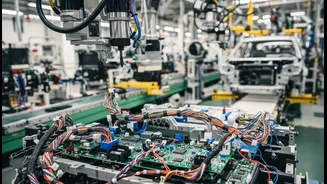
There isn't a single culprit behind Ford's recall woes. Instead, analysts point to a combination of factors. The increasing complexity of modern vehicles, packed with sophisticated software and electronics, presents new challenges. Many recent recalls have been for software issues that, while fixable via over-the-air updates, still count toward the total. Supply chain disruptions that began during the pandemic have also been blamed for introducing component variability and quality lapses. For its part, Ford maintains that the high number of recalls is actually a sign of a proactive strategy. The company says it has more than doubled its safety and technical expert teams and increased its testing protocols to find and fix issues faster, often before they become widespread problems. While this may lead to more recalls in the short term, Ford argues it's a necessary step toward improving long-term quality and customer safety.
The Cost of Quality Control
The financial and reputational costs of these recalls are substantial. Each campaign involves significant expense, from notifying owners to shipping replacement parts and compensating dealerships for labour. Beyond the direct financial hit, the constant headlines about safety defects erode consumer trust, a critical asset in the highly competitive automotive market. While Ford's sales have remained strong, the perception of poor quality could eventually steer potential buyers toward competitors. The recalls also put a strain on the company's dealership network, which must manage a high volume of service appointments and address customer concerns. Interestingly, despite the high recall numbers, Ford has also seen improvements in some third-party quality studies, suggesting its internal efforts may be starting to yield results in new vehicle quality, even as it works to rectify issues on older models.