




First, What Is ‘Double Carbing’?
The term 'double carbing' sounds a bit like a dietary sin, but it simply means eating two significant sources of carbohydrates in the same meal. Think of pasta served with a side of garlic bread, or a plate of rice enjoyed with a potato curry. While this
isn’t inherently bad, the issue often lies in the type of carbs being combined. The burger and fries combo is a prime example of pairing two refined, fast-digesting carbohydrates. Occasional indulgence is one thing, but when this pattern becomes a habit, it can set off a specific chain reaction in your body.
The Two Key Players: Bun and Fries
Let’s break down the pair. The burger bun is typically made from refined white flour, which has had most of its fibre and nutrients stripped away. This allows your body to break it down into sugar very quickly. Then you have the fries. Potatoes are a starchy vegetable, and when they are peeled, cut, and deep-fried, they also become a high-glycemic food. This means that, like the bun, they cause a rapid increase in blood glucose levels after you eat them. So, in one meal, you are consuming two different foods that essentially do the same thing to your blood sugar at the same time.
The Metabolic Chain Reaction
When you eat a meal loaded with two fast-acting carbs, your digestive system gets to work quickly, converting them into glucose that enters your bloodstream. This causes a larger, faster blood sugar spike than you would get from a more balanced meal. In response, your pancreas releases a flood of insulin, a hormone whose job is to move that glucose out of your blood and into your cells for energy. This large insulin surge can be so effective that it overcorrects, leading to a subsequent blood sugar 'crash' that leaves you feeling tired, sluggish, and often craving more sugary or starchy foods shortly after your meal.
How It 'Adds Up' Beyond Calories
The phrase 'add up' in the context of double carbing refers to more than just the caloric total of the meal. The real issue is the metabolic effect over time. When your body is constantly experiencing these dramatic spikes and crashes in blood sugar, your cells can become less responsive to insulin's signals—a condition known as insulin resistance. High insulin levels also signal your body to be in 'storage mode,' temporarily pausing its ability to burn stored fat for energy. Over time, this repeated cycle can contribute to weight gain, particularly around the midsection, and increase the risk for metabolic issues.
Making Smarter, Not Smaller, Choices
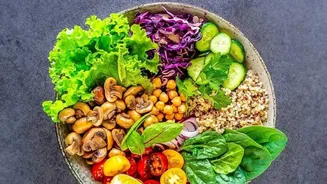
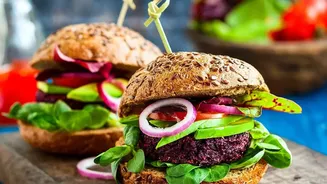
This doesn't mean burgers and fries are forbidden forever. Understanding the concept of double carbing is about empowerment, not restriction. The goal is to avoid making the combination of two refined carbs the default. You can make simple swaps to create a more balanced meal. Consider ordering your burger in a lettuce wrap or with a whole-wheat bun and pairing it with a side salad instead of fries. By pairing your single carbohydrate source (the bun or the potatoes) with protein, healthy fats, and fibre from vegetables, you slow down digestion and promote a more stable blood sugar response, keeping you fuller for longer and avoiding the energy crash.