

Before Chhena: A World of Kheer and Jaggery
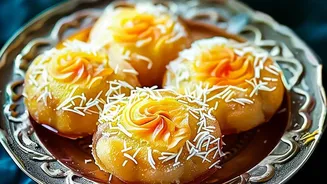
To understand the revolution, we must first look at what came before. For centuries, Bengal’s sweet landscape was dominated by creations made from ingredients like coconut, jaggery, and kheer—milk that is painstakingly thickened by slow reduction. Sweets
like payesh (rice pudding), pithe (rice-flour cakes), and various sugar candies were central to rituals and daily life. The concept of deliberately curdling milk with an acid was largely taboo in orthodox Hindu tradition, seen as 'spoiling' a sacred ingredient. The sweets were delicious and beloved, but they were dense and rustic compared to the airy, delicate textures that would later define Bengali mishti.
A Fortuitous Collision: The Portuguese Arrival
The game-changer arrived by sea. In the 16th and 17th centuries, Portuguese traders and settlers established themselves in parts of Bengal, particularly around areas like Hooghly and Chittagong. They brought with them a love for cheese and the European techniques for making it by curdling milk with an acidic agent. This knowledge transfer is widely credited with introducing the concept of chhena—fresh, unpressed curd cheese—to the region. Initially, local confectioners, known as Moiras, may have learned the technique to cater to their new European neighbours. This introduction broke a long-standing cultural barrier and handed Bengali artisans a completely new medium to work with: a light, protein-rich base that was a world away from heavy kheer or khoa.
The Golden Age of the Moira
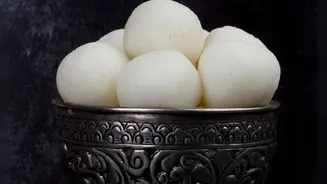
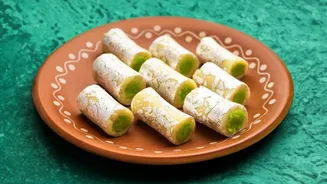
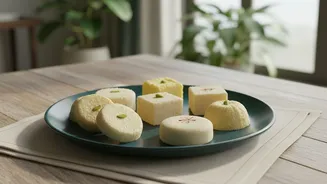
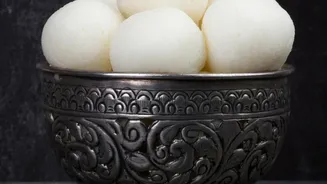
What followed was a period of incredible creativity, a culinary renaissance that unfolded in the sweet shops of Bengal. The Moiras, a community of professional confectioners, embraced chhena and transformed it from a foreign concept into a distinctly Bengali art form. They perfected the craft of kneading chhena until it was silky and smooth, a crucial step for the texture of the final product. This led to the birth of iconic sweets. Sandesh, which previously referred to simpler sweets made of kheer or coconut, was reimagined as a delicate, moulded confection made from chhena and sugar or jaggery. Legendary sweet-makers like Bhim Chandra Nag and Nobin Chandra Das became household names, inventing and popularising sweets that are famous to this day, such as the spongy Rasgulla. This period cemented chhena-based sweets as the hallmark of Bengali cuisine.
From Kancha Golla to Jolbhora: An Evolution of Craft
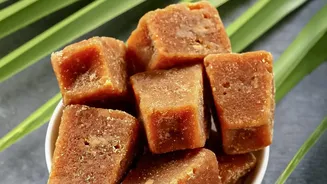
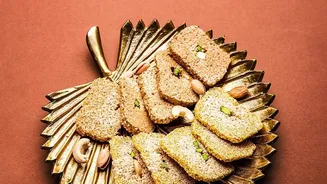
The genius of the Moiras was not just in inventing but also in adapting and refining. They created hundreds of varieties of Sandesh alone, from the simple ‘Kancha Golla’ (soft, uncooked balls) to the intricate ‘Jolbhora’, a marvel created by Surya Kumar Modak in the 19th century with a liquid heart of rose water or date palm jaggery. This spirit of adaptation continues. Sweets are endlessly innovated based on seasons, like the Nolen Gurer Sandesh, which uses the prized winter-harvested date palm jaggery. Confectioners created imaginative names for their sweets like 'Abar Khabo' (I'll have another) and 'Monohara' (captivator of the heart) to entice customers. Even today, sweet makers in Kolkata and across Bengal experiment with new flavours, from chocolate and mango to fusion creations, proving the tradition is still very much alive.