


The Allure of a Rain-Soaked Paradise
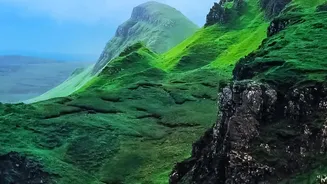
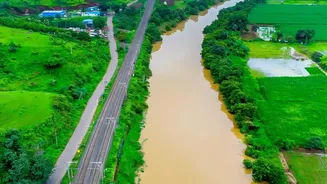
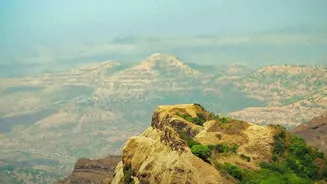
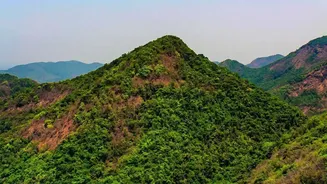
Nestled in the Sahyadri ranges of Maharashtra, Bhandardara transforms into an emerald wonderland from June to September. It’s a place that doesn't just get beautiful in the rain; it feels like it comes alive because of it. The main attractions are all
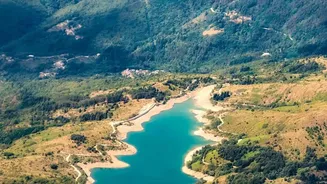
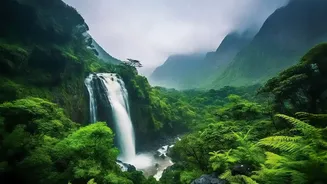
powered by the monsoon. The Wilson Dam, one of India's oldest, often overflows, creating the spectacular and seasonal Umbrella Falls. The mighty Randha Falls, fed by the Pravara River, becomes a thundering spectacle, and Arthur Lake reflects the moody, cloud-laden skies. This combination of overflowing dams, powerful waterfalls, and serene lakes makes it an irresistible getaway for those looking to escape the city and embrace nature's drama.
Before You Go: Your Monsoon Checklist
Spontaneity has its charms, but a monsoon trip to the ghats isn't the time for it. Start with your vehicle. Ensure your tyres have deep treads, your wipers are in excellent condition, and your headlights are working perfectly. Wet roads absorb more light, making effective headlights crucial for visibility. When booking accommodation, prioritise flexibility. Many hotels now offer 'flexi' rates that allow for last-minute changes or cancellations for a small premium. This is a wise investment, as local authorities may issue travel advisories or restrict access to tourist spots during periods of extremely heavy rain. Pack quick-dry clothing instead of heavy fabrics like jeans, a reliable raincoat (umbrellas are often useless against the strong winds), and waterproof bags for electronics and important documents.
The Critical Route and Road Check
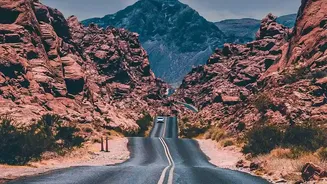
The drive to Bhandardara is a major part of the experience, but it requires caution. The most common routes from Mumbai (around 165 km) and Pune (around 180 km) involve navigating the NH160 or NH60 before turning off towards the ghat sections. These final stretches, particularly the Ghoti to Bhandardara road, can be narrow and treacherous in heavy rain. It's essential to check for real-time updates before you leave. Small landslides, waterlogging, and temporary bridge closures are possibilities. Local authorities may close certain ghat sections entirely if the risk is high. Avoid driving these routes at night when fog and rain can reduce visibility to almost zero. Always have a downloaded offline map, as mobile connectivity can be weak in the region. Starting your journey early in the morning is a universally recommended safety tip.
Driving Safely in the Ghats
Once you're on the hilly roads, adapt your driving style. The golden rule of ghat driving is to give way to traffic coming uphill. It takes far more effort for a vehicle to start again on an incline than for one going downhill to pause. Slow down significantly, as braking distances increase on wet surfaces. Use your engine braking by staying in a lower gear (like second or third) while descending slopes; this reduces the strain on your brakes and gives you better control. Never coast in neutral. Honk judiciously at sharp, blind corners to alert oncoming traffic of your presence. Be vigilant for small rocks or debris on the road, which can be early signs of an unstable slope.
Sightseeing with a Flexible Mindset
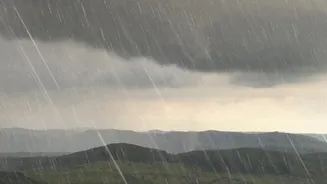
The very weather that makes Bhandardara beautiful can also make it inaccessible. While sights like Wilson Dam, Arthur Lake, and Randha Falls are the main draws, access may be restricted during peak monsoon. The famous Umbrella Falls, for instance, is only visible when the dam overflows—a spectacular but unpredictable event. Popular trekking routes like Ratangad Fort and Kalsubai Peak can become dangerously slippery and may be officially closed by the forest department for safety reasons. The key is to have a flexible itinerary. Be prepared to admire a waterfall from a safe distance rather than getting close. If a particular road is closed, enjoy the drive somewhere else. Sometimes, the best experience is simply finding a safe spot to park and watching the clouds roll over the hills, a cup of hot tea in hand.