



The Ghost in the Machine
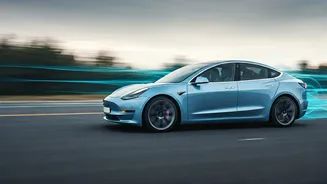
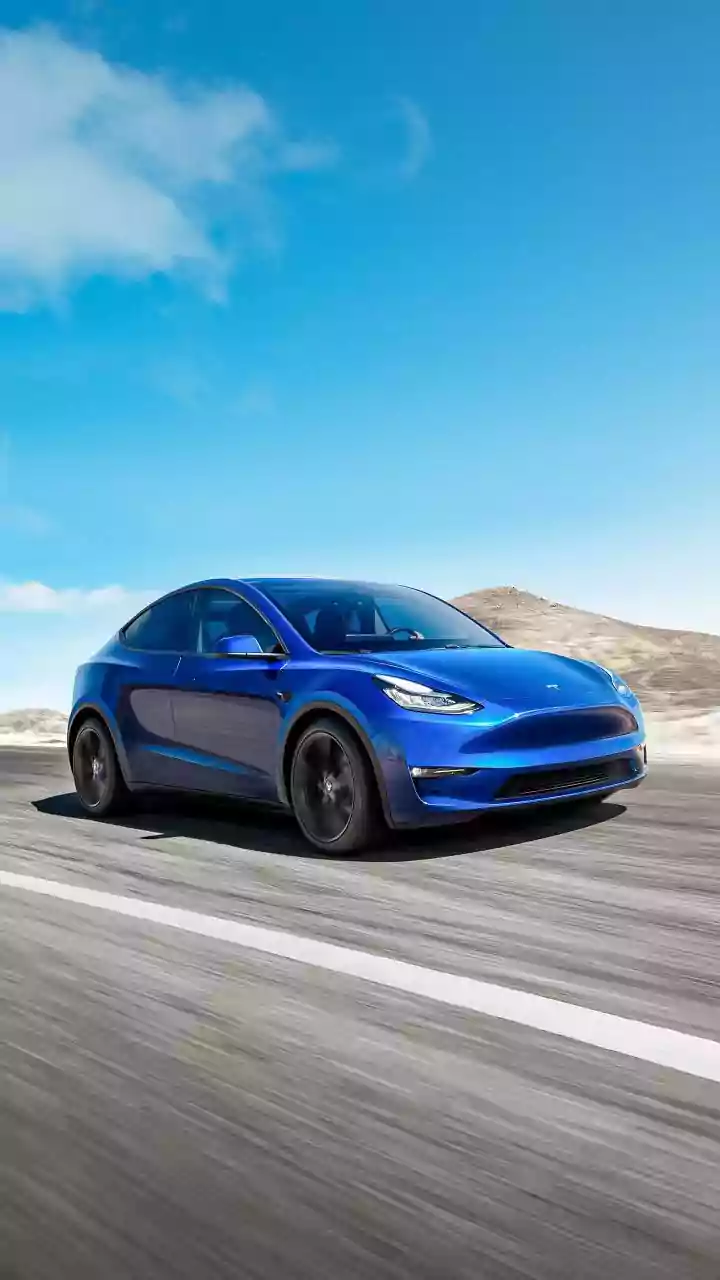
For years, some Tesla owners have reported a startling phenomenon: their cars would suddenly brake for no apparent reason. Dubbed “phantom braking,” these events typically occurred at highway speeds, with the vehicle decelerating rapidly without any obstacles
in its path. The issue was linked to Tesla’s driver-assistance features, including Autopilot, Full Self-Driving, and Traffic-Aware Cruise Control. Drivers reported that the unexpected braking could be jarring and concerning, though it generally involved a speed reduction of 10-20 mph over a few seconds rather than a complete stop. The incidents often happened in specific conditions, such as on sunny days when shadows crossed the road.
Regulators Take Notice
The U.S. National Highway Traffic Safety Administration (NHTSA) launched a preliminary investigation in February 2022 after a surge in complaints. The number of owner reports had jumped from 99 at the end of 2021 to over 300 by the time the probe was opened, covering approximately 695,000 Model 3 and Model Y vehicles from the 2021 and 2022 model years. NHTSA's review suggested a likely culprit: Tesla’s transition in 2021 from a sensor system that used both radar and cameras to a camera-only “Tesla Vision” system. Without radar to provide redundant information, the system was more prone to misinterpreting visual data and triggering unnecessary braking events.
The Digital Fix
Instead of a traditional recall requiring vehicles to be brought into service centers, Tesla addressed the issue through its signature over-the-air (OTA) software updates. Starting in early 2022, the company began rolling out patches designed to refine the vision system's performance and reduce the frequency of phantom braking. The data shows these updates were highly effective. According to NHTSA, the number of complaints dropped dramatically, falling from a high of over 300 to just 45 in 2024, 19 in 2025, and only three in the first half of 2026. This sharp decline was a key factor in the agency’s decision to close the investigation.
A Significant Win for Tesla?
The closure of the probe is a notable victory for Tesla, removing a long-running regulatory headache. NHTSA concluded that the issue posed a “low demonstrated safety risk,” noting that no crashes, injuries, or fatalities were identified in connection with the phantom braking events. The agency also found that the sudden decelerations did not cause vehicles to lose control or create a significant risk of a rear-end collision. This marks the second federal probe into Tesla that has been closed in a matter of weeks, following the conclusion of an investigation into power steering issues that were also addressed with a software update. However, the agency noted that closing the preliminary evaluation does not completely rule out a safety defect, and it could reopen the case if new circumstances warrant it.
The Future of Over-the-Air Repairs
This case highlights a fundamental shift in the automotive industry. For a company like Tesla, whose vehicles are heavily defined by their software, complex problems can sometimes be fixed remotely, quietly, and efficiently. This contrasts sharply with traditional automakers, who often rely on physical recalls that are more costly and inconvenient for customers. While the phantom braking saga points to the potential teething problems of new technologies like vision-only autonomy, it also showcases the power of OTA updates as a corrective tool. As more automakers build connected, software-centric cars, this model of identifying and fixing issues via digital updates is set to become the new industry standard, changing how regulators, companies, and consumers approach vehicle safety and maintenance.