







What is the New EV Policy?
The Delhi Electric Vehicle Policy 2026, effective from July 1, 2026, to March 31, 2030, is the government's most aggressive push yet towards clean mobility. It replaces the previous policy with a comprehensive framework of financial incentives, mandatory
timelines for transitioning to electric, and a major focus on building out charging infrastructure. The total financial commitment, including investments and benefits, is estimated at around ₹15,000 crore over the next four years. The primary goals are to drastically reduce vehicular pollution and accelerate the adoption of zero-emission vehicles across the city.
Big Incentives for Buyers
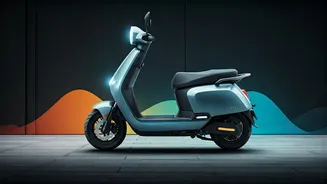
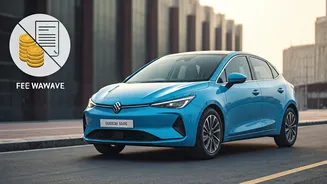
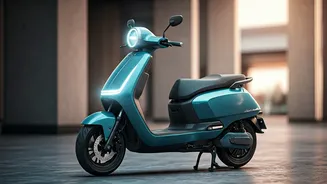
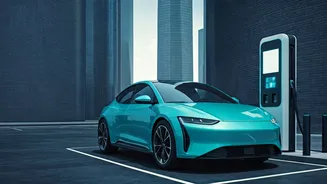
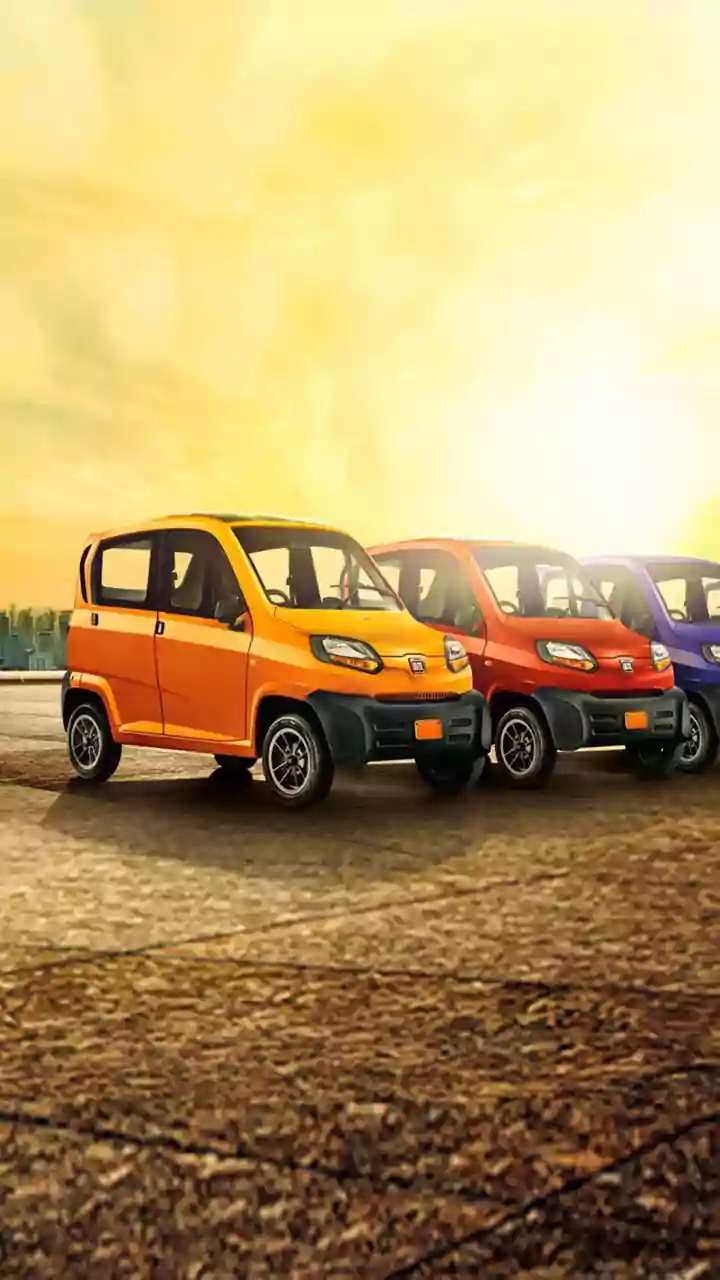
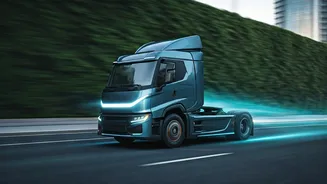
To encourage residents to make the switch, the policy offers substantial financial perks. Buyers of new electric two-wheelers can receive an incentive of up to ₹30,000 in the first year, while those purchasing electric three-wheelers are eligible for up to ₹50,000. For commercial users, new N1 category electric trucks (mini-trucks) come with a ₹1 lakh subsidy in the first year. Furthermore, all-electric cars with an ex-showroom price up to ₹30 lakh will be completely exempt from road tax and registration fees until March 2030. These incentives are designed to make the upfront cost of an EV more competitive with its petrol or diesel counterpart.
Getting Old Polluters off the Road
A key component of the policy is encouraging the replacement of older, more polluting vehicles. A significant scrapping incentive is on offer for owners of BS-IV or older vehicles. Owners who scrap an old four-wheeler and purchase a new EV can receive an incentive of ₹1 lakh. Similar scrapping benefits are available for two-wheelers (₹10,000), three-wheelers (₹25,000), and N1 commercial trucks (₹50,000). This dual approach of subsidising new EVs and incentivising the removal of old vehicles aims to hasten the fleet's green transition.
The End of the Road for New Petrol Vehicles
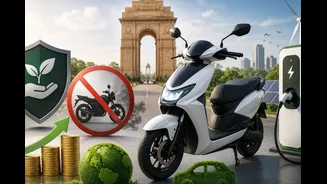
Perhaps the most impactful element of the policy is the phased ban on new internal combustion engine (ICE) vehicles in key categories. From January 1, 2027, only electric three-wheelers (auto-rickshaws) and N1 commercial trucks will be allowed for new registrations. The deadline for two-wheelers is set for April 1, 2028, after which no new petrol or CNG-powered bikes and scooters can be registered in Delhi. This move sends a clear signal to both consumers and manufacturers that the future of personal and commercial transport in the capital is electric.
Massive Push for Charging Infrastructure
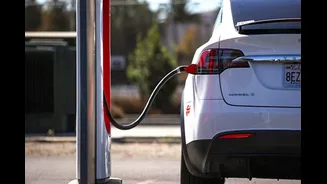
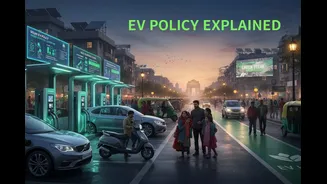
To address 'range anxiety', a common barrier to EV adoption, the policy includes a massive push for charging infrastructure. The government plans to install over 30,000 new EV charging points across the city during the policy period. An estimated ₹8,000 crore has been earmarked for developing this infrastructure and providing tax concessions. This network will be developed at high-footfall locations like markets and workplaces, and the policy also includes provisions to facilitate charging at residential properties. This robust network is seen as the foundation for the policy's success.
Focus on Commercial and Public Transport
The policy places a strong emphasis on electrifying commercial fleets, which are major contributors to urban pollution. Beyond the registration mandates for three-wheelers and light trucks, school bus operators will also be required to convert a portion of their fleet to electric, targeting 30% electrification by 2030. Electrifying public transport and last-mile delivery services is a core part of the strategy to clean Delhi's air and reduce the city's overall carbon footprint.