




The Promise Versus The Reality
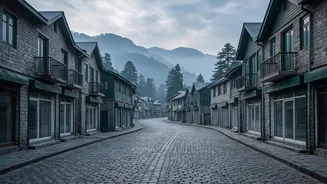
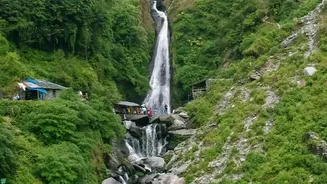
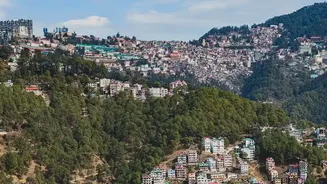
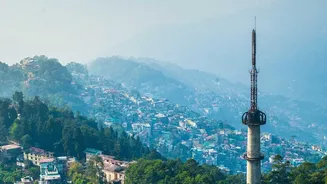
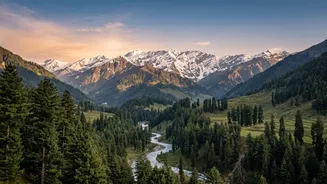
For decades, names like Shimla, Manali, Mussoorie, and Darjeeling have been synonymous with summer escapes for millions of Indians seeking refuge from the heat of the plains. Once serene retreats, these towns are now grappling with the visible symptoms
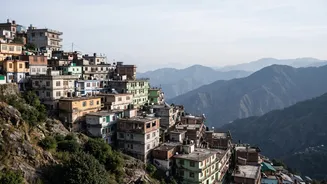
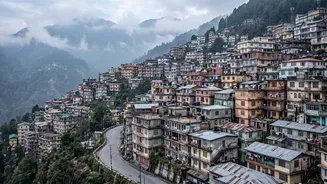
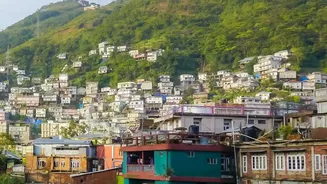
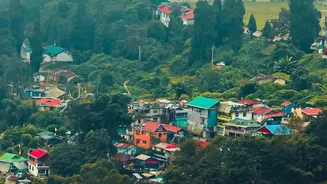
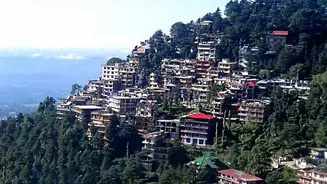
of overtourism. Today, a trip to these destinations often involves spending hours in bumper-to-bumper traffic on narrow mountain roads, navigating overcrowded Mall Roads, and finding that the tranquil viewpoint you sought is a crowded selfie spot. The very peace and natural beauty that made these places famous are now being compromised by their own popularity. Hotels and commercial buildings have mushroomed, often in defiance of building norms, transforming quaint towns into chaotic urban sprawls.
The Unseen Environmental Cost
Beyond the visible crowds and traffic, a more severe crisis is unfolding. The fragile Himalayan ecosystem is buckling under the pressure. Unprecedented tourist footfall puts an immense strain on finite resources, especially water. Shimla, a city built for a population of around 25,000, now supports many times that number, leading to chronic water shortages, particularly during peak tourist season. Residents have sometimes had to ask tourists to stay away. Waste management is another critical issue. Manali, for instance, generates tonnes of waste daily during peak season, much of it plastic that pollutes rivers and forests. Unplanned construction on sensitive slopes exacerbates soil erosion and increases the risk of landslides, a growing threat in a region already vulnerable to climate change.
An Economy on the Line
The issue, however, is not black and white. Tourism is the backbone of the economy for these regions, providing livelihoods for a significant portion of the local population, from hotel owners and restaurateurs to taxi drivers and shopkeepers. The surge in visitors, especially post-pandemic, has brought a much-needed economic boom. For local governments and businesses, discouraging tourism is not a viable option. This creates a difficult paradox: the very industry that sustains these communities is also responsible for degrading the natural assets upon which it depends. The challenge lies in finding a balance between economic necessity and ecological preservation.
The Search for Solutions
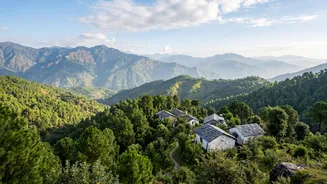
Authorities are beginning to respond to the crisis, albeit reactively at times. Some states have started implementing measures to regulate tourist flow. Uttarakhand, for instance, has made online registration mandatory for entry to popular destinations like Mussoorie and for the Char Dham Yatra. In Shimla, police have been forced to implement complex traffic management plans to handle the vehicle influx. There is also a growing push towards promoting 'offbeat' destinations to distribute the tourist load. However, this carries the risk of merely shifting the problem, as lesser-known places like Kasol and Kanatal are already starting to show signs of overcrowding. Long-term solutions being discussed include setting a 'carrying capacity' for each destination, imposing tourist taxes to fund infrastructure, and enforcing stricter environmental and construction regulations.