

What is Singhara Atta?
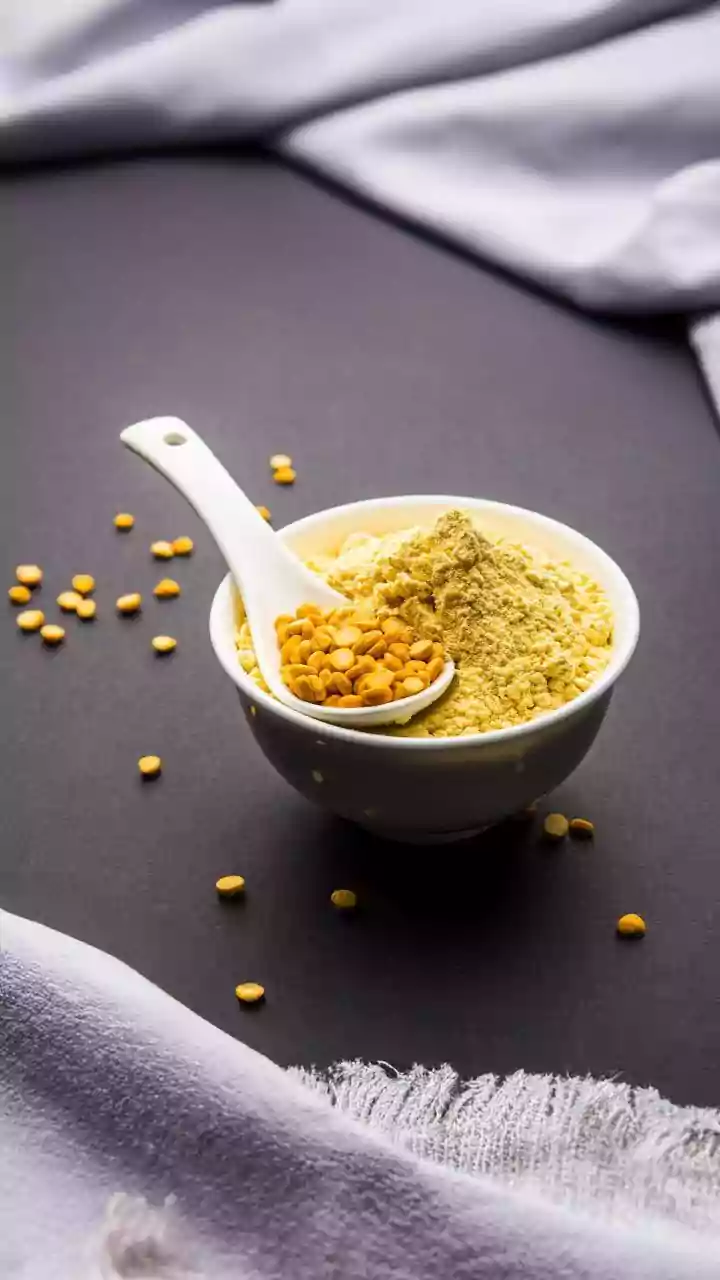
Singhara atta, or water chestnut flour, is a staple in Indian fasting kitchens for a reason. It's not a grain but is made from dried, ground water chestnuts (Trapa natans), an aquatic vegetable. This makes it a permitted ingredient for sattvik diets observed
during religious periods like Sawan and Navratri. Unlike its name suggests, the water chestnut is a vegetable, not a nut. The flour has a light, slightly nutty flavour and a fine texture, making it an excellent gluten-free alternative to wheat flour for those observing fasts or with dietary sensitivities. Its starchy quality acts as a great binding agent, perfect for creating a range of dishes that would otherwise rely on conventional flours.
A Vrat-Friendly Nutritional Powerhouse
Fasting doesn't have to mean compromising on nutrition. Singhara atta is packed with essential minerals like potassium, iron, calcium, and zinc. It's an excellent source of good carbohydrates, providing sustained energy to prevent the dip in levels often felt during fasting days. Additionally, it's rich in fibre, which aids digestion and helps keep you feeling full and satisfied. According to Ayurveda, singhara has cooling (shita) properties, which can help balance the body and prevent acidity, a common concern during fasting. Being low in fat and cholesterol-free, it's a wholesome choice that aligns perfectly with the light, pure food principles of a Sawan vrat.
Energising Breakfasts to Start Your Day
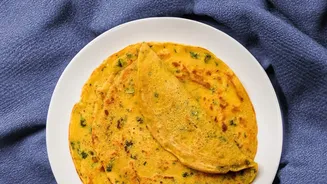
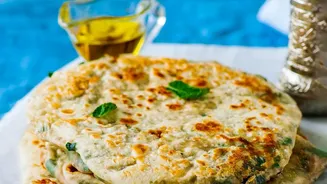
Breaking the monotony of fruits and milk for your fasting breakfast is easy with singhara atta. One of the simplest and most satisfying options is a Singhara Atta Cheela, a savoury pancake. A smooth batter can be made by mixing the flour with water, sendha namak (rock salt), and vrat-approved spices like black pepper and cumin powder. You can even add grated bottle gourd (lauki) or boiled and mashed potatoes to the batter for extra softness and nutrition. Cooked on a tawa with a little ghee, these cheelas are light, filling, and quick to prepare. For a slightly sweeter start, you can make small pancakes by blending the flour with banana and a touch of honey or jaggery, creating a delicious and energising meal.
Hearty and Fulfilling Dinner Ideas
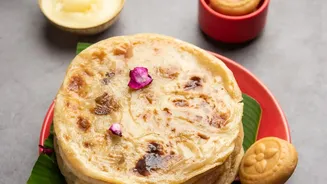
After a day of fasting, a substantial dinner is often needed. Singhara atta shines in creating comforting evening meals. The most popular use is for making puris or parathas. A soft dough can be prepared by mixing the flour with boiled and mashed potatoes, which act as a binding agent, along with chopped green chillies and coriander leaves. These can be rolled out and either deep-fried as fluffy puris or pan-fried as parathas. Paired with a simple vrat-friendly potato curry (aloo sabzi) or a bowl of plain curd, it makes for a complete and traditional meal. Another wonderful dinner option is a savoury halwa or sheera, where the flour is roasted in ghee and cooked with water or milk and spices until it thickens into a satisfying, warm dish.
Snacks and Beyond
The flexibility of singhara atta extends beyond main meals. It's an excellent base for evening snacks like pakoras or cutlets. A simple batter of singhara atta, water, and spices can be used to coat slices of potato or other vrat-friendly vegetables before frying them into crispy pakoras. Alternatively, mix the flour with mashed potatoes and spices to form patties, which can be shallow-fried to make delicious tikkis or cutlets. For those with a sweet tooth, the flour can be used to make a rich and crumbly halwa, sweetened with sugar or jaggery and flavoured with cardamom, making for a perfect post-dinner dessert. This versatility ensures that your fasting menu remains interesting and enjoyable throughout Sawan.