



The Core Problem with Traditional Meal Prep
For many, meal prep means cooking five identical lunches and dinners on a Sunday. By Wednesday, you’re likely bored of the same flavours and textures. This method, while efficient, boxes you into a corner, sacrificing variety for convenience. The dread
of eating the same meal yet again can be enough to derail even the most well-intentioned efforts. The secret to sustainable meal prepping isn’t about finding one perfect recipe to eat all week; it's about changing your entire approach from cooking full meals to preparing versatile components. This simple shift is the key to unlocking both time savings and culinary creativity.
Embrace Component Prepping
Instead of complete dishes, focus your prep time on making building blocks that can be mixed and matched. This is component prepping: dedicating an hour or two to preparing ingredients that form the foundation of various meals. Think of it as creating your own personal salad bar or deli counter in your fridge. When it’s time to eat, you’re not reheating a pre-made meal; you’re assembling a fresh one in minutes. This strategy allows for daily variety without the daily effort of starting from scratch. You use the same core ingredients in different combinations, ensuring no two meals have to be exactly alike.
Your Weekly Component Checklist
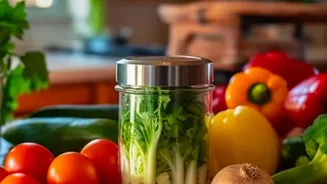
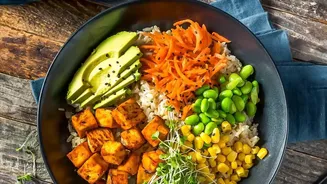
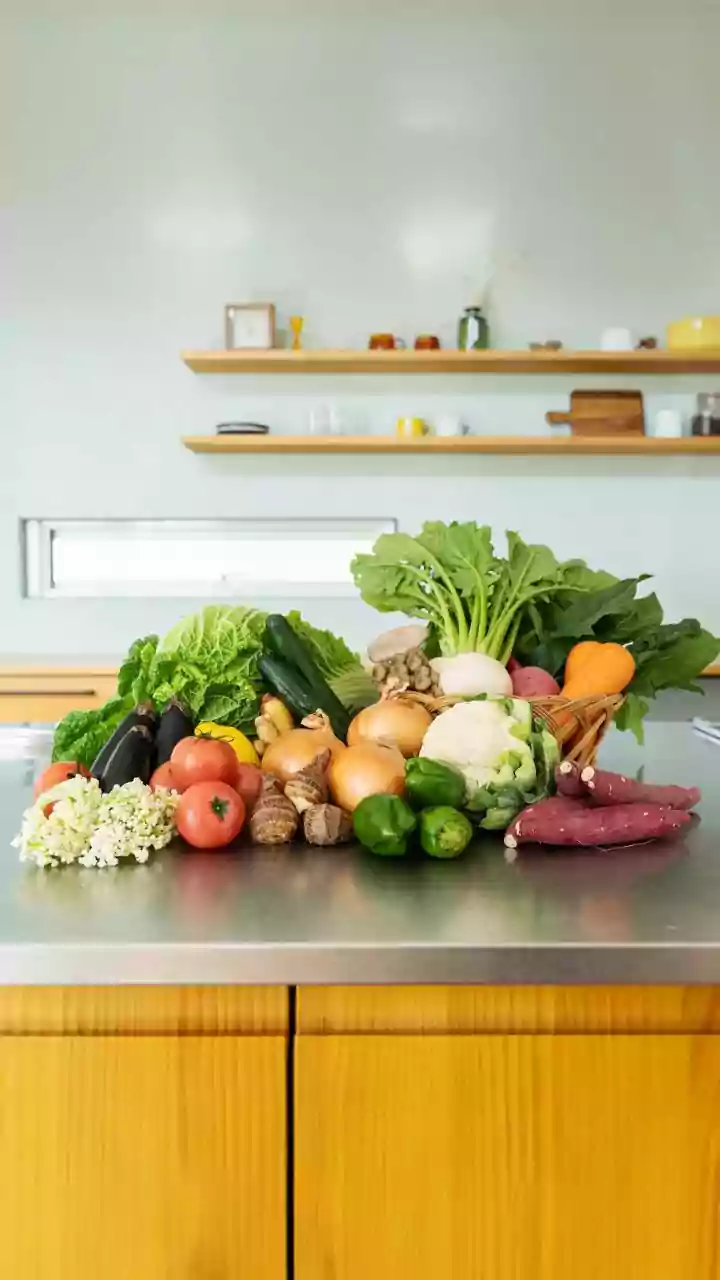
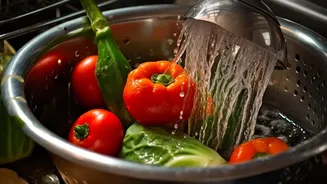
To get started, aim to prepare a few items from each of these categories on your prep day. Proteins: Cook a versatile protein that can be used in different ways. Think shredded chicken, cooked ground meat, a batch of lentils or chickpeas, or baked tofu. A single protein can become the base for tacos one night, a salad topping the next, and a stir-fry ingredient later in the week. Grains and Carbs: Cook a large batch of a neutral grain like quinoa, brown rice, or farro. You can also roast potatoes or sweet potatoes. These serve as the hearty base for grain bowls, a side dish, or can be mixed into soups and salads. Vegetables: This is where you can save the most time. Wash and chop raw veggies like bell peppers, cucumbers, and onions. Roast a large sheet pan of heartier vegetables like broccoli, cauliflower, and carrots. Having these ready to go makes it easy to add nutrients and crunch to any meal. Sauces and Dressings: This is the secret weapon against boredom. A good sauce can completely transform a meal. Whip up a vinaigrette, a peanut sauce, or a simple yogurt-based dressing. Storing them in mason jars keeps them fresh and ready to drizzle.
Putting It All Together
With your components prepped, assembling meals becomes a quick and creative process. For lunch, you could create a grain bowl by starting with quinoa, adding shredded chicken, roasted broccoli, and chopped bell peppers, and finishing with a peanut sauce. The next day, use the same chicken and peppers in a wrap with some leafy greens and a different dressing. Leftover roasted vegetables can be tossed into a quick soup or added to an omelette. The combinations are nearly endless, driven by what you’re in the mood for each day rather than what you were forced to cook days in advance.
Smart Storage for Freshness
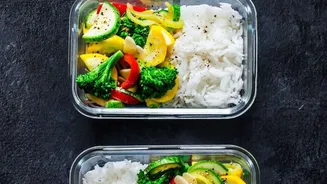
Proper storage is crucial to making this system work. Use airtight containers, preferably glass, to keep your prepped ingredients fresh. Store sauces and dressings in separate small jars to prevent sogginess. Hard vegetables like chopped carrots and celery can be stored in a container with a little water to keep them crisp. Don't be afraid to use your freezer, either. Doubling a soup or stew recipe and freezing half gives you a ready-made meal for a future week, further enhancing your variety.