



The Modern Tradition: A Red Fort Spectacle
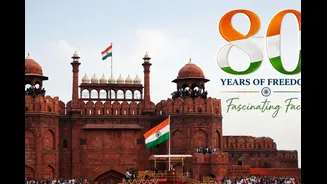
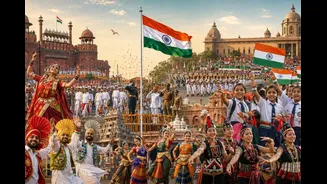
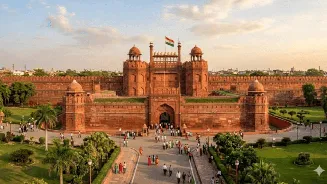
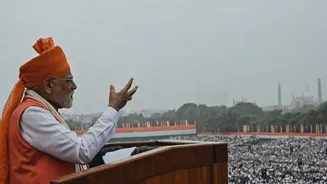
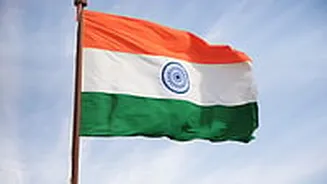
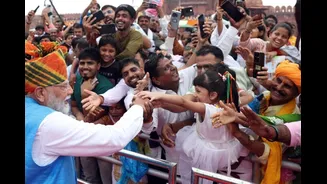
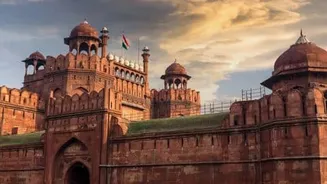
Every August 15th, India's Independence Day celebrations are synonymous with one iconic location: the Red Fort in Delhi. The ceremony is a familiar and cherished tradition. The Prime Minister of India unfurls the tricolour flag from the ramparts, addresses
the nation, and inspects a guard of honour. This event, broadcast live across the country, symbolises the nation's strength, unity, and democratic continuity. It’s a highly structured affair, steeped in protocol and decades of practice, serving as the visual and symbolic centrepiece of the nation's celebrations. But this grand annual ritual was not how India marked its very first day of freedom.
A Midnight Awakening in Parliament
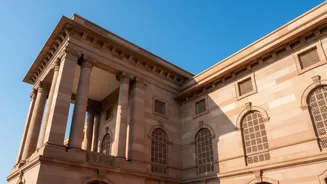
India's journey into freedom officially began not in the morning sun, but at the stroke of midnight. On the night of August 14-15, 1947, the Constituent Assembly of India convened for a special session in the Central Hall of Parliament House in New Delhi. It was here that Jawaharlal Nehru, soon to be the first Prime Minister, delivered his immortal "Tryst with Destiny" speech. He spoke of a moment, rare in history, when a nation long suppressed finds utterance. The transfer of power was a formal, legislative event, marked by oaths and speeches inside Parliament, witnessed by diplomats and the nation's new leaders. The national flag was presented to the President of the Assembly, Rajendra Prasad, on behalf of the women of India, marking the official birth of the new nation.
A Different Venue for the First Flag Hoisting
While the Red Fort is now the undisputed stage, the first public flag hoisting on the morning of August 15, 1947, did not happen there. Instead, the main ceremony took place at Princess Park, near India Gate. The event included the swearing-in of the first cabinet. Lord Mountbatten, the last Viceroy, was sworn in as the first Governor-General of the independent Dominion of India, and he, in turn, administered the oath to Nehru and his cabinet. This formal ceremony was a key part of the constitutional transfer of power. It was a moment of immense public jubilation, but the primary ceremonial functions of the state on the morning of the 15th were centered around the official government buildings and not the Mughal-era fort.
The Day the Red Fort Tradition Was Born
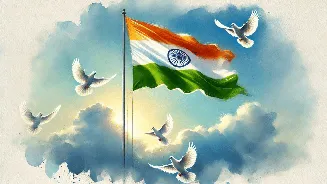
So, where does the Red Fort fit in? The tradition we follow today actually began a day later, on August 16, 1947. On that morning, Prime Minister Jawaharlal Nehru hoisted the Indian national flag above the Lahori Gate of the Red Fort for the first time and addressed the public. This act was deeply symbolic. The Red Fort had been a seat of Mughal power and a rallying point during the 1857 uprising, later becoming a symbol of British military might. By raising the flag there, Nehru was making a powerful statement about reclaiming India's sovereignty from its former rulers. Though it wasn't on August 15th, this event was so resonant that it became the template for all subsequent Independence Day celebrations by incumbent Prime Ministers.
From Spontaneous Joy to Solemn Ritual
The atmosphere of August 1947 was a complex mix of euphoria and deep sorrow. While cities erupted in celebration, the joy was overshadowed by the violent realities of the Partition. Mahatma Gandhi, the architect of freedom, was not in Delhi for the celebrations; he was in Bengal, fasting and praying for peace between Hindus and Muslims. The first Independence Day was a raw, spontaneous, and emotionally charged event. Over the decades, these varied events have coalesced into the single, structured ceremony we see today. The midnight speech, the official swearing-in, and the public address have been distilled into a powerful annual ritual at the Red Fort that honours the past while celebrating the present.