






The Psychology of the Solo Lunch
Before diving into the rules, it's important to understand why that solo lunch break is so crucial. Constantly being 'on'—making decisions, collaborating, and problem-solving—depletes our mental energy. A true break allows our brains to recuperate, making us
more focused and creative in the afternoon. For many, especially introverts, lunch is the only time to decompress and recharge from social stimulation. Choosing to eat alone isn't anti-social; it's a necessary form of self-care and mental rest that helps prevent burnout. Respecting a colleague's quiet lunch is respecting their need to mentally reset for the rest of the day.
Reading the 'Do Not Disturb' Signals
How can you tell if a colleague wants to be left alone? The most obvious sign is a pair of headphones. In an open office, this is the universal symbol for 'I'm in my own world.' Approaching someone with headphones on is like knocking on a closed door—do so only if it's truly necessary. Other cues include a person being deeply engrossed in a book, their phone, or simply facing away from the common area. If you're unsure, a simple, quiet wave or a brief 'Hi' is enough. If they don't immediately engage in conversation, take it as a sign they'd prefer their solitude. Don't force a chat; the goal is to be friendly, not disruptive.
The Desk Luncher's Code of Conduct
Eating at your desk has become common, but it comes with its own set of rules. The primary consideration is smell. What smells delicious to you might be distracting or unpleasant for your neighbours. Foods with strong, lingering odours like fish, certain curries, or microwave popcorn are best enjoyed in the breakroom or outside. Sound is another factor. Avoid overly crunchy foods or noisy packaging that can disrupt those still working. Finally, keep your space clean. Wipe down your desk after eating and dispose of all rubbish immediately to avoid clutter and pests. A clean desk shows respect for your shared environment and the people in it.
Navigating the Communal Kitchen
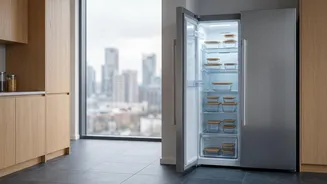
The office pantry or kitchen is a shared space that thrives on mutual respect. The golden rule is to clean up after yourself immediately. This means washing your dishes, wiping up any spills or splatters in the microwave, and not leaving crumbs on the counter. When it comes to the refrigerator, label your food clearly. And never, under any circumstances, take food that doesn't belong to you unless it's explicitly marked as communal. Also, be mindful of how much space you're using. Don't store a week's worth of groceries if it means others have no room for their single lunch container.
How to Politely Decline a Lunch Invite
Sometimes you'll be the one who needs the quiet time, but a well-meaning colleague invites you to lunch. Turning them down doesn't have to be awkward. A simple, polite 'Thanks so much for the offer, but I'm going to eat at my desk today' is often enough. You don't need to provide a long excuse. If they press, you can add something like, 'I've got a lot on my mind and just need a quiet break to decompress.' Being honest but kind preserves the relationship while protecting your time. You can also suggest an alternative, such as, 'I can't today, but how about we grab coffee tomorrow morning?' This shows you value their company, even if you need this particular break for yourself.