




1. Narkel Naru
No Bengali festival, especially Durga Puja, is complete without Narkel Naru. These are delightful little spheres made from two primary ingredients: freshly grated coconut and either sugar or jaggery. The 'gur' (jaggery) version, with its smoky, caramel-like
flavour, is particularly cherished. Often prepared at home, the process of rolling these coconut ladoos is a tradition in itself, bringing families together and filling the air with a festive aroma. They are a symbol of prosperity and are a common offering to the goddess.
2. Labongo Latika
An elegant and artful creation, Labongo Latika gets its name from 'labango', the Bengali word for clove. This sweet is a small pastry pocket, typically made from maida, filled with a rich mixture of khoya (milk solids), grated coconut, nuts, and raisins. The pastry is folded into a neat parcel and uniquely sealed with a single clove before being deep-fried and dunked in sugar syrup. This sweet is especially popular during Bijoya Dashami, the final day of Puja, when families visit each other to exchange greetings.
3. Chhanar Jilipi
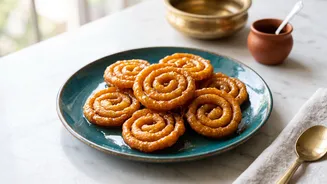
At first glance, it looks like a regular jalebi, but Chhanar Jilipi is a different experience altogether. Made from 'chhana' (fresh cottage cheese), flour, and khoya, it has a softer, more cake-like texture compared to its crispier cousin. After being fried into its signature pretzel-like shape, it's soaked in a light sugar syrup. The result is a sweet that tastes like a delightful hybrid of a gulab jamun and a jalebi, offering a juicy, melt-in-your-mouth feel.
4. Mihidana
A specialty from the town of Bardhaman, Mihidana is often called the micro-cousin of boondi. The name itself translates to 'fine grain', which perfectly describes its appearance. It's made from a batter of powdered rice flour and gram flour, which is poured through a special sieve into hot ghee, creating tiny golden droplets. These fine grains are then soaked in sugar syrup, resulting in a delicate, fragrant sweet that is truly unique. It famously impressed Lord Curzon during a visit in 1904.
5. Sitabhog
Often served alongside Mihidana, Sitabhog is its 'twin' sweet, also from Bardhaman. It resembles a sweet, white pulao and is made from chhana, rice flour, and sugar. The dough is pressed into noodle-like strands that are fried and then soaked in syrup. Scattered within the pale, rice-like strands are tiny, dark gulab jamuns, adding a delightful contrast in both colour and taste. Like Mihidana, Sitabhog is a GI-tagged product of West Bengal, a testament to its unique heritage.
6. Kheer Kadam
Kheer Kadam is a sweet with a delightful surprise inside. On the outside, it's a soft, milky sphere of sweetened khoya, lightly dusted with more milk solids. But when you bite into it, you discover a small, juicy rosogolla hidden within. This two-in-one treat, also known as 'Raskadam', offers a wonderful contrast of textures—the dense, creamy exterior giving way to the spongy, syrupy centre. It’s a true festive indulgence.
7. Pantua
While it might look like a gulab jamun, a true Bengali will insist a Pantua is different. Made from a dough of chhana, semolina, and maida, these balls are deep-fried slowly over a longer period, which gives them a slightly denser crust and a rich, dark brown colour. They are then soaked in a fragrant sugar syrup. The texture is less spongy than a gulab jamun but wonderfully soft and substantial, making it a beloved Pujo staple.
8. Patishapta
A sweet particularly associated with winter festivals but popular during Puja as well, Patishapta is a thin crepe made from rice flour, semolina, and maida. These delicate pancakes are filled with a delicious, sticky mixture of grated coconut and either nolen gur (date palm jaggery) or sugar. The crepe is then rolled up like a cylinder. Served warm, this soft, comforting sweet is a homely delight often prepared for visiting guests during the festive season.
9. Goja
Goja is a fried delicacy that provides a satisfyingly crunchy texture amidst a sea of softer, milk-based sweets. It is made from a simple maida dough that is rolled, cut into squares or diamond shapes, and deep-fried until golden and layered. These crispy pastries are then glazed with a thick sugar syrup that crystallises slightly upon cooling, giving them a sweet, glossy finish. It's a simple but incredibly moreish sweet that's perfect for festive snacking.
10. Jalbhora Sandesh
While Sandesh is an everyday sweet, the Jalbhora is a special festive variant. Meaning 'filled with water', this ingeniously crafted sweet has a solid outer shell of sweetened chhana and a hollow centre filled with liquid goodness. This filling is traditionally rose water or, in the winter months, the highly prized liquid nolen gur. Biting into a Jalbhora releases this fragrant, sweet liquid, making for a truly unique and delightful experience that elevates the humble Sandesh into something extraordinary.