






The Deceptive Danger of Monsoon Moisture
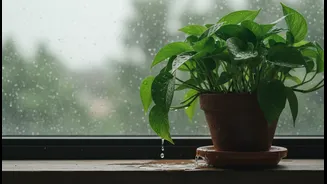
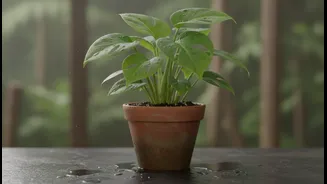
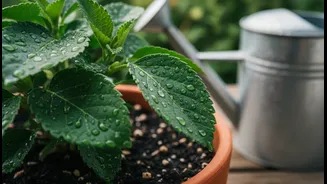
While the rains make everything outside flourish, the conditions can be deadly for potted plants in our homes and on our balconies. The combination of high humidity, reduced sunlight, and frequent downpours means soil stays wet for much longer. This creates
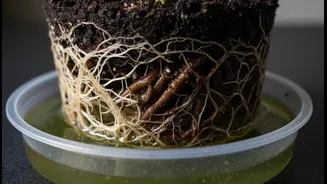
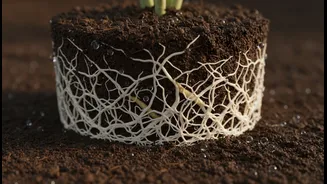
a low-oxygen environment that can suffocate roots, leading to root rot—the most common cause of plant death during this season. Yellowing leaves, a drooping appearance despite wet soil, and a funky smell from the pot are all signs that your plant is drowning from below. The key is to shift from a fixed watering schedule to one based on your plant's actual needs, which change dramatically in wet weather.
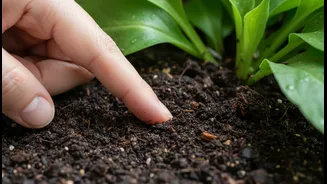
Graduating from the Finger Test
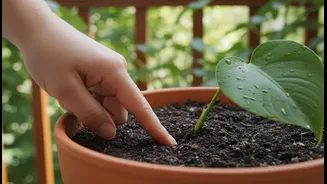
For generations, the simple finger test—poking your finger into the soil up to the second knuckle—has been the go-to method. While it's a decent starting point, it has limitations, especially during the monsoon. It primarily gauges moisture in the top layer of soil, which can be misleading when the air is damp. The deeper soil, where the critical root system resides, could still be waterlogged even if the surface feels dry. For larger pots, it's also simply not practical or accurate enough to get a deep reading. To truly save your plants, you need to understand what's happening further down.
The Simple Wooden Skewer Trick
One of the most effective and low-cost upgrades to the finger test is using a simple wooden chopstick or bamboo skewer. Much like testing a cake, you can gently insert the skewer deep into the pot, trying to avoid major roots, and leave it for a minute. When you pull it out, examine it closely. If it comes out clean and dry, it's time to water. If it has moist soil clinging to it, or if the wood is visibly darkened with moisture, you need to wait. This method gives you a much better picture of the moisture levels throughout the entire pot, not just at the surface.
For Smaller Pots, Feel the Weight
Another tactile method, best suited for small to medium-sized pots, is simply lifting them. With experience, you can learn the difference in weight between a pot with dry soil and one that is fully saturated with water. Make it a habit to lift the pot right after you’ve given it a thorough watering; this is its maximum weight. Then, periodically lift it over the next few days. When it feels significantly lighter, it's likely ready for another drink. This method, combined with the skewer test, helps you develop an intuitive sense for your plants' watering needs, freeing you from a rigid and potentially harmful schedule.
Investing in a Moisture Meter
For those who want to remove all guesswork, a soil moisture meter is an invaluable tool. These affordable devices have a metal probe that you insert into the soil to measure moisture levels at the root zone. Most have a simple dial that indicates if the soil is 'Dry', 'Moist', or 'Wet'. To use it correctly, insert the probe about halfway to two-thirds down into the pot, as this is where most root activity occurs. It is recommended to test a few different spots in the pot to get an average reading. A meter can be a confidence-booster, but it's best used as a guide to confirm your own observations, not as an absolute rule.
Beyond Watering: Essential Monsoon Adjustments
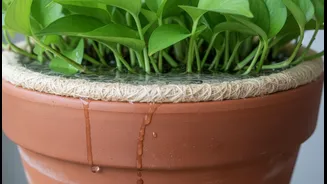
Smarter moisture checking is the first step, but a complete monsoon rescue plan involves a few other adjustments. First, ensure every pot has excellent drainage. Make sure drainage holes are not clogged and consider elevating pots on bricks or stands to prevent them from sitting in stagnant water. Second, reduce fertilising. Heavy rains can wash away nutrients, but adding fertiliser to already wet soil can burn the roots. Wait for a dry spell to feed your plants. Finally, keep an eye out for pests like fungus gnats, slugs, and snails, which thrive in damp conditions. Improving air circulation around your plants can also help prevent fungal diseases from taking hold.