



Tomatoes: Keep Them on the Counter
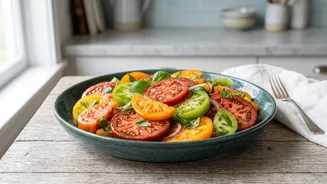
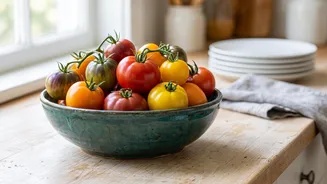
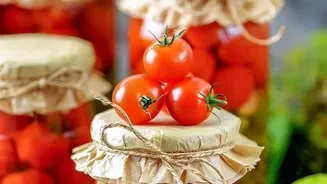
The single biggest victim of unnecessary refrigeration is the humble tomato. That beautiful red fruit (yes, it's a fruit!) you bought for its promise of juicy, tangy flavour can turn into a sad, mealy, and tasteless version of itself in the cold. The science
is clear: temperatures below about 12°C halt the activity of the enzymes that produce its wonderful aroma and taste. The cold also damages the membranes inside the tomato's walls, resulting in that unpleasant grainy texture. For the best flavour, store whole tomatoes on your kitchen counter, stem-side down, away from direct sunlight. They should be eaten within a few days of ripening. The only exception is if a tomato is perfectly ripe and you need it to last another day or two, or if it has been cut. Once sliced, it must be refrigerated in an airtight container.
Potatoes: A Cool, Dark Place is Best
Storing potatoes in the fridge is a common mistake with significant consequences. The cold temperature causes the potato's starch to convert into sugar. This might sound appealing, but it results in a disagreeably sweet taste and a gritty texture when cooked. More importantly, when these sugars are fried or baked at high temperatures, they can combine with an amino acid to form acrylamide, a chemical that is considered potentially harmful. The ideal way to store potatoes is in a cool, dark, and dry place with good air circulation, like a pantry or a basket in a cool corner of the kitchen. A paper bag works better than plastic, which traps moisture. Keep them away from onions, as the gases they release can cause potatoes to sprout faster.
Onions and Garlic: Let Them Breathe
Onions and garlic are foundational to so much of Indian cooking, and they need to be stored properly to maintain their potent flavour. The refrigerator is too humid for them. The excess moisture can cause them to become soft, mouldy, or start sprouting prematurely. Like potatoes, they thrive in a cool, dark, and well-ventilated space. Storing them in a mesh bag or a basket that allows for air circulation is perfect. While they share similar storage needs with potatoes, remember the golden rule: store them separately. Onions release ethylene gas and moisture that can cause nearby potatoes to spoil and sprout. Whole, unpeeled onions and garlic can last for several weeks or even months when stored correctly. Once peeled or cut, however, they must be moved to an airtight container in the fridge.
Bread: The Counter, Not the Cold
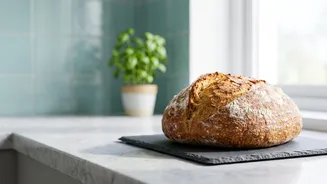
It seems logical to refrigerate bread to keep it from going mouldy, especially in humid Indian weather. However, the fridge is bread's worst enemy when it comes to texture. The cold, dry air of the refrigerator accelerates the process of staling, known as starch retrogradation. This makes the bread hard, dry, and crumbly much faster than if it were left at room temperature. For most types of bread, the best place is a breadbox or a paper bag on the counter, which protects it while allowing some air to circulate. While refrigeration does slow mould, for many breads, staling is the bigger issue. If you live in a very hot and humid climate where mould is a serious problem, the fridge might be a necessary evil. But for preserving freshness for longer, the freezer is a far better option. Freezing bread almost completely stops the staling process and it thaws perfectly for toasting.
Bananas and Tropical Fruits: Let Them Ripen First
Tropical fruits like bananas, mangoes, and papayas are born in the heat and don't react well to the cold. Refrigeration essentially shocks these fruits, halting their natural ripening process. A green banana placed in the fridge will have its ripening enzymes deactivated. The peel may turn black and the fruit inside will remain firm and starchy, never developing its characteristic sweetness and creamy texture. The best practice is to store these fruits on the counter until they reach your desired ripeness. Once a mango is perfectly soft and fragrant, or a banana is yellow with a few brown spots, you can then move it to the refrigerator for a few days to extend its life and prevent it from becoming overripe. The same rule applies to whole melons; keep them on the counter for the best flavour and texture, and only refrigerate them after they have been cut.
Honey and Coffee: Pantry Staples for a Reason
Two pantry items that should never see the inside of a fridge are honey and coffee. Honey is a natural preservative and will last almost indefinitely at room temperature. When refrigerated, the cool temperature causes it to crystallize and solidify into a thick, coarse sludge, making it difficult to use. If your honey does crystallize, you can gently warm the jar in a bowl of warm water to return it to its liquid state. Coffee, whether in bean or ground form, is highly porous and will absorb the odours of other foods in your refrigerator. This means your morning cup could end up with a faint hint of last night's curry. The moisture in the fridge can also degrade the oils in the coffee beans, which are essential for its flavour and aroma. Store coffee in an airtight container in a cool, dark place like a cupboard or pantry.