






In our modern, mostly indoor lives, it is easy to forget the simple, powerful connection between sunlight and our well-being. Establishing a nature trail hiking routine is one of the best ways to reconnect, combining physical activity with benefits.
Why Your Body Needs the Sun
Exposure
to natural daylight does more than just brighten your surroundings; it fundamentally regulates your body's internal clock, or circadian rhythm. When sunlight hits your eyes in the morning, it sends a clear signal to your brain to stop producing melatonin, the sleep hormone, promoting alertness and energy. This daily reset is crucial for maintaining a healthy sleep-wake cycle, which can lead to better quality sleep at night. Furthermore, sunlight triggers the production of Vitamin D in your skin, a vital nutrient for bone health, immune function, and overall well-being. Studies have also shown that daylight exposure can boost the production of serotonin, a neurotransmitter that helps regulate mood, leading to feelings of calmness and focus.
The Added Boost of a Nature Trail
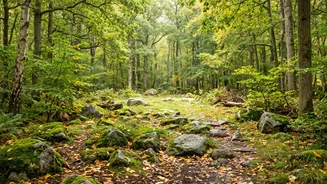
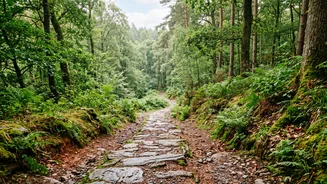
While you can get daylight exposure anywhere, combining it with a hike in nature amplifies the benefits. The term 'forest bathing' or shinrin-yoku, originating from Japan, refers to the practice of immersing oneself in nature to reduce stress. Walking on a trail removes you from the constant stimulation of urban environments. The sounds of birds, the scent of damp earth, and the sight of green foliage can lower stress levels, reduce blood pressure, and improve concentration. Research indicates that time spent in natural environments is linked to better mental health outcomes, including reduced risk of depression and anxiety. A trail provides a clear path forward, allowing your mind to wander and de-stress while your body engages in healthy physical activity.
How to Build Your Hiking Routine
Starting a hiking routine doesn't have to be intimidating. The key is to begin small and stay consistent. First, identify accessible trails. Websites, park service pages, and trail apps are excellent resources for finding beginner-friendly routes in your area. Look for trails rated as 'easy', which typically means shorter distances (2-5 kilometres) and minimal elevation gain. When you're just starting, your goal is simply to get out there. Don't worry about speed or distance. A 30-minute walk two or three times a week is a fantastic start. As you become more comfortable, you can gradually increase the length and difficulty of your hikes. To make it a lasting habit, consider hiking with a friend or joining a local hiking group.
The Essential Gear for Beginners
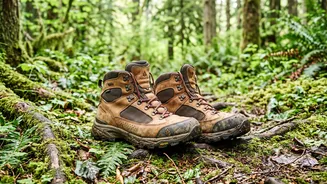
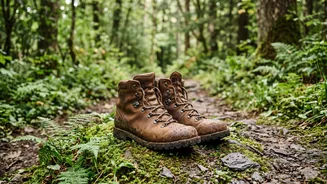
You do not need to spend a fortune on gear to start hiking. Focus on the essentials that ensure safety and comfort. The single most important item is proper footwear. While dedicated hiking boots are great, a pair of running shoes with good traction will often suffice for well-maintained beginner trails. Next, always carry water—more than you think you'll need. A small backpack is necessary to hold your water, some high-energy snacks like nuts or granola bars, a simple first-aid kit, and your phone. Finally, dress in layers. Weather can change quickly, and moisture-wicking fabrics that pull sweat away from your skin will keep you much more comfortable than cotton. Always include a light rain jacket, even if the forecast looks clear.
Trail Safety and Etiquette
To ensure your hike is both safe and enjoyable for yourself and others, follow a few basic guidelines. Before you leave, always tell someone where you are going and when you expect to return. Check the weather forecast for your specific trail location. While on the path, the general rule is to stay on the designated trail to protect the surrounding ecosystem. Be mindful of others; keep noise to a minimum and greet fellow hikers. A key piece of etiquette is knowing who has the right of way: hikers going uphill have priority over those coming down. Finally, practice the 'Leave No Trace' principle by packing out everything you bring in, including food wrappers and any other litter. Respecting wildlife by keeping your distance is also crucial for a safe experience.