










The Director’s Cut, Redefined
When a director like Christopher Nolan makes a movie, the conversation inevitably turns to how it should be seen. With his new mythological epic, 'The Odyssey,' that conversation has reached a fever pitch. The headline isn’t an exaggeration; due to Nolan's
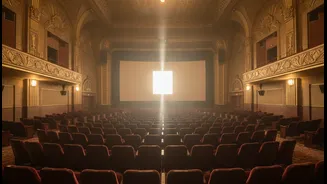
commitment to a specific, incredibly high-quality film format, only 41 theaters on the planet are equipped to project the movie exactly as he intends. This isn't a marketing gimmick but the result of a director's uncompromising vision colliding with the realities of modern cinema distribution. For Nolan, the format isn't just a technical choice; it's a core part of the artistic experience he wants to deliver.
The Magic of IMAX 70mm
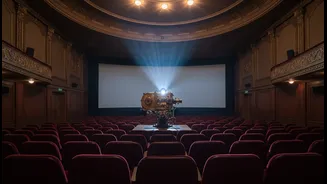
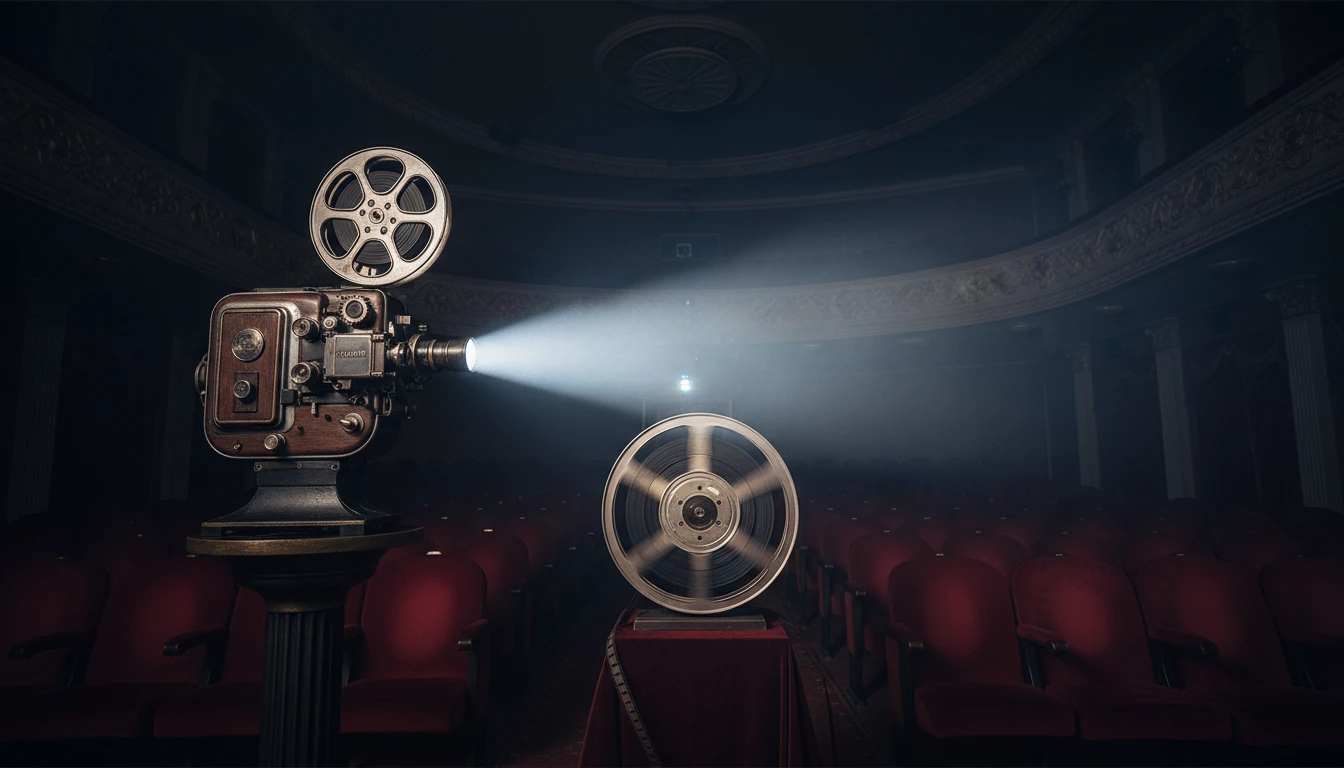
The format at the heart of this discussion is IMAX 15/70mm film. To understand why it’s special, you need to think about the physical film itself. Standard film is 35mm wide; this is 70mm. More importantly, the film runs horizontally through the projector, creating a frame that is 15 perforations wide. The result is a negative that is nearly ten times the size of a standard 35mm frame. This massive canvas captures an astonishing amount of detail, with a perceived resolution that some experts equate to 16K or even 18K. It allows for a unique, nearly square 1.43:1 aspect ratio that fills the giant, floor-to-ceiling IMAX screens, creating a sense of immersion that digital formats struggle to replicate. Nolan himself says it makes the screen disappear, giving a feeling of 3D without the glasses.
A Visionary's Obsession
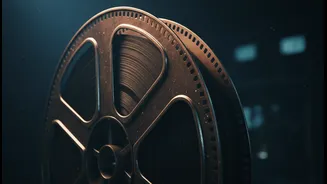
Christopher Nolan has been a champion of film over digital for his entire career, progressively using more and more IMAX footage in films like 'The Dark Knight,' 'Dunkirk,' and 'Oppenheimer.' 'The Odyssey' marks a new milestone as the first feature film shot entirely using IMAX film cameras. This required the development of new sound-dampening equipment just to make it possible to record dialogue. Why go to such lengths? For Nolan, film possesses a texture and depth that digital cannot match. The physical film print, which for 'The Odyssey' is reportedly 11 miles long and weighs over 270 kilograms, carries the authentic information captured on set. It is, in his view, the gold standard—the most immersive and powerful way to experience a story on the big screen.
The Rarity of a Perfect Picture
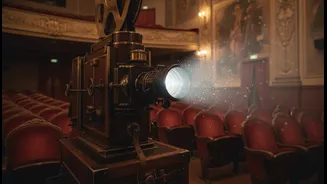
If IMAX 70mm is so great, why are there only 41 theaters that can show it? The answer lies in the massive shift to digital projection that occurred over the last two decades. The enormous, complicated, and expensive 15/70 film projectors were largely decommissioned. Maintaining them requires specialised training and parts that are no longer mass-produced. While the release of 'Oppenheimer' saw a slight increase in the number of these theaters from about 30 worldwide, the number remains incredibly small. Of the 41 venues capable of showing 'The Odyssey' in its full glory, 25 are in the United States, nine in Canada, and only a handful are scattered across the UK and the rest of the world, leaving entire continents without access.
What About the Rest of Us?
So, does this mean your ticket is for a “wrong” version of the film? Not at all. Theaters will still show 'The Odyssey' in a variety of excellent formats, including digital IMAX (which uses a high-quality laser projector but crops the image to a wider 1.90:1 ratio), standard 70mm film (which offers higher resolution than digital but in a different aspect ratio), and other premium large formats. While these versions won't have the same towering aspect ratio or the specific analogue quality of the 15/70 print, they are still premium cinematic experiences. The intense demand for the 41 screens, however, highlights a passionate audience that craves the unique, purist experience Nolan champions, even if it means travelling across states or countries to get it.