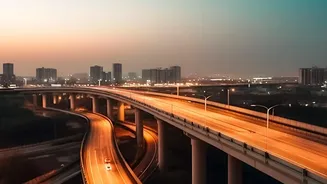



A Brain for the Capital's Traffic
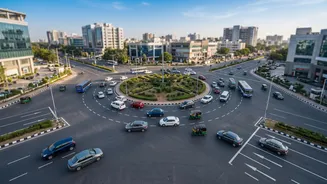
For years, Delhi commuters have been at the mercy of fixed-timer traffic signals, which remain unchanged regardless of traffic volume. This often leads to frustratingly long waits at empty intersections while nearby roads are gridlocked. Now, a newly
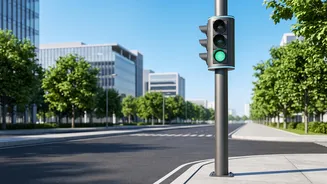
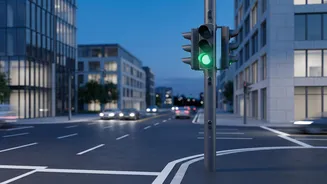
approved Intelligent Traffic Management System (ITMS) aims to replace this rigid structure with a dynamic, responsive network. The Union Cabinet has sanctioned the ₹1,789.52 crore project, which will essentially give a 'brain' to the city's traffic infrastructure. Instead of pre-programmed cycles, the new system will use artificial intelligence to make smart, real-time decisions, marking a significant leap from the manual interventions and static timings that currently govern the city's over 1,500 signals.
How the AI System Works
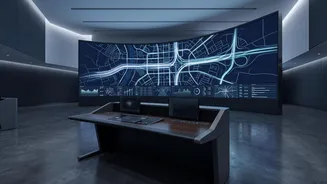
The core of the ITMS is its ability to 'see' and analyze traffic as it happens. Using a vast network of cameras and sensors at junctions, the system will constantly monitor vehicle density, queue lengths, and the overall flow of traffic. This data is fed into a central AI engine that calculates the most efficient green and red light durations for each signal to clear congestion and optimize movement along entire corridors. This is known as an Adaptive Traffic Control System (ATCS). The entire operation, from data collection to signal adjustment, will be managed from integrated Traffic Command and Control Centres, allowing for a holistic and coordinated approach to managing the city's complex road network.
The Rollout Plan: Corridors and Timelines
This ambitious project will not be implemented overnight but will be rolled out in a structured, three-phase plan over 24 months. The ITMS will eventually cover 42 identified high-traffic corridors across the capital. The first phase, set to be completed within a year, will target five major corridors, including key routes like the Ring Road and Outer Ring Road, commissioning 250 adaptive signal junctions. The second phase will add seven more corridors within 18 months, with the remaining 30 corridors covered in the final phase. This phased approach allows authorities to test, evaluate, and fine-tune the system's performance before expanding its reach, ensuring a more effective city-wide implementation.
Benefits Beyond a Faster Commute
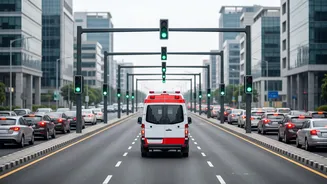
While reduced travel times are the most anticipated benefit, the ITMS promises a wider range of improvements. A crucial feature is the ability to create 'green corridors' for emergency vehicles. Ambulances fitted with sensors will be able to communicate with upcoming signals, which will automatically turn green to provide a clear path, potentially saving critical time. Commuters will also receive real-time updates on congestion and diversions through variable message signs and digital platforms. Furthermore, the system includes a major upgrade to automated enforcement, with AI-powered cameras detecting violations like speeding, red-light jumping, and not wearing a helmet, aiming to enhance road safety. This is expected to reduce fuel consumption, lower pollution, and make travel more predictable for everyone.
Challenges on the Road Ahead
While the promise of a smarter traffic system is immense, its implementation is not without potential hurdles. The project's success hinges on flawless integration of hardware and software, requiring robust data connectivity and an uninterrupted power supply across hundreds of locations. The system's AI will also need to be sophisticated enough to handle Delhi's notoriously unpredictable traffic patterns, which are often affected by everything from VIP movements to sudden protests. The Delhi Police will select a Master System Integrator through competitive bidding to manage this complex task, with the Centre for Development of Advanced Computing (C-DAC) providing technical consultation. Ensuring proper maintenance and calibration of the thousands of sensors and cameras over the five-year operation period following the rollout will be critical to the long-term success and efficiency of the entire system.