
The Art of Finding Stillness
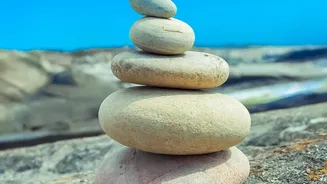
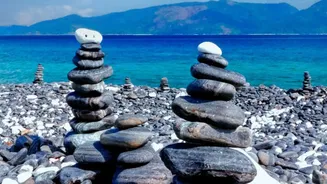
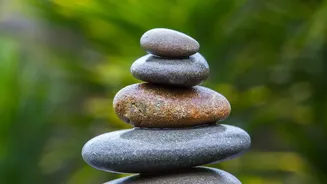
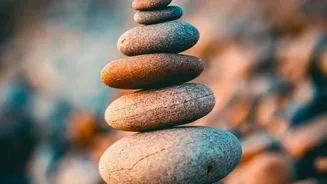
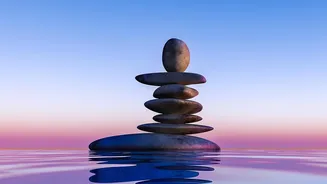
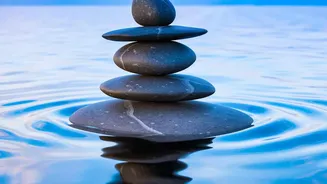
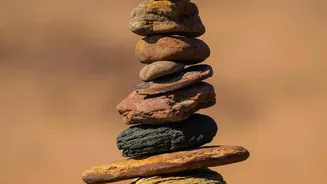
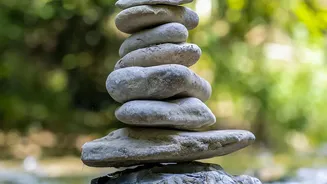
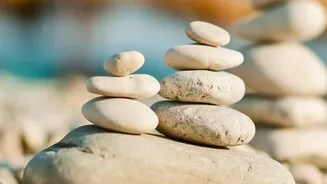
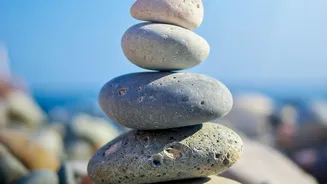
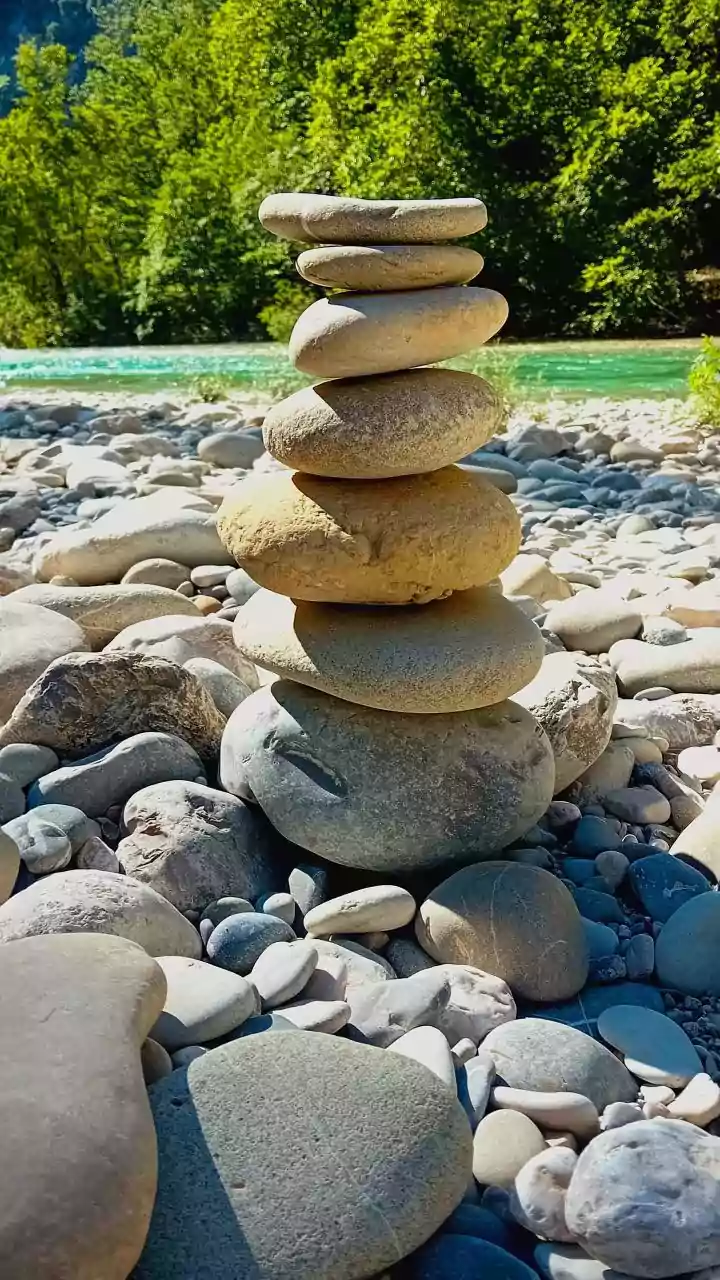
At its core, stone balancing is the simple act of stacking rocks in equilibrium without using any adhesives, wires, or tricks. Practitioners, who sometimes refer to it as a form of land art or active meditation, search for stones and then patiently test
their balance points, finding the tiny natural indentations and edges that allow them to lock together. The resulting sculptures can be anything from a simple two-stone stack to elaborate, arching constructions that seem to float. The appeal is twofold: the visual beauty of the finished sculpture and, more importantly, the process of creating it. Artists and hobbyists describe the intense concentration required as a way to quiet the mind and become completely absorbed in the present moment.
A Workout for the Mind?
Proponents claim a range of benefits, from enhanced focus and patience to improved hand-eye coordination. The logic is straightforward: successfully balancing a precariously perched rock demands immense concentration and a steady hand. This focused state is often described as achieving a 'flow state'—a concept in psychology where a person becomes fully immersed in an activity. During flow, the sense of time can distort, self-consciousness fades, and the activity itself becomes its own reward. Practitioners often report that the skills of patience and singular focus, honed while balancing stones, can translate to other areas of their daily lives, helping to reduce stress and anxiety.
Grounded in Reality
While practitioners passionately attest to these benefits, it’s important to note that the headline's 'modest claims' framing is accurate. There are no large-scale, peer-reviewed scientific studies that specifically measure the cognitive or physiological effects of stone balancing. Much of the evidence is anecdotal, drawn from personal experience. This doesn't invalidate the reported benefits, but it places them in the category of personal wellness practices rather than scientifically-proven therapies. The positive effects are likely linked to the well-documented benefits of mindfulness and achieving a flow state, which can be found in many activities, from painting and dancing to running. The act of engaging in a calming, repetitive task in nature is a known stress reliever. Therefore, stone balancing is a legitimate tool for mindfulness, even if it isn’t a miracle cure for a wandering mind.
The 'Leave No Trace' Debate
The growing popularity of stone balancing has also sparked an important conversation about its environmental impact. Conservationists and park officials express concern over the practice, particularly when done on a large scale in natural areas. Moving rocks can disturb fragile ecosystems, dislodging insects, salamanders, and other creatures that live underneath them. It can also expose soil, leading to increased erosion, which can harm water quality in nearby streams and rivers. Furthermore, while official rock piles, known as cairns, are used by park services to mark trails, unofficial stacks can confuse hikers and detract from the natural, untouched beauty of a landscape that many visitors seek. This has led many parks to discourage or even ban the practice.