









A Whiplash for Investors
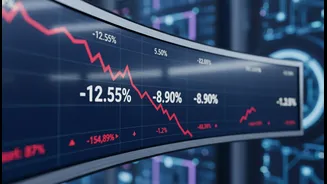
The first half of 2026 was bruising for anyone holding Indian information technology stocks. The Nifty IT index plunged 31% in the first six months, marking its worst performance in 18 years. By the end of June, sector giants like TCS and Infosys were
touching their 52-week lows, creating significant anxiety across Dalal Street. However, the script flipped dramatically in mid-July. The sector saw sharp rallies, with the Nifty IT index jumping nearly 4% in a single day on July 13, even as the broader market fell. This whiplash has fuelled a pressing debate about the real health of India’s technology bellwethers. Is the recent pressure a sign of deep-seated issues, or are external forces at play?
The View from America
According to many market analysts, including voices like Agarwal, the primary driver of this volatility is not found in Bengaluru or Hyderabad, but in Washington and New York. The US market, which provides the bulk of revenue for Indian IT firms, is currently navigating its own challenges. Firstly, there's the US Federal Reserve's policy on interest rates. Hawkish signals from the Fed, suggesting rates could stay higher for longer to combat inflation, tend to spook technology investors globally. Higher rates make it more expensive for companies to borrow, potentially leading US clients to cut back on discretionary IT spending. Secondly, Wall Street is witnessing a 'tech rotation'. After a massive rally in the second quarter of 2026, investors have been taking profits from high-flying tech stocks and reallocating funds into other industries like financials and energy. This sell-off in the US, particularly in semiconductor stocks, creates negative sentiment that inevitably spills over into Indian markets, pulling down even healthy IT counters.
The Case for Local Strength
The argument that this is an external issue gains significant credibility when looking at the actual business being won by Indian firms. The deal pipeline, a key indicator of future revenue and client confidence, remains remarkably strong. On July 17, HCLTech announced a massive new deal worth $1.14 billion with a European firm, securing business for over five years. This came just after TCS shares rallied on the back of a multi-million, multi-year contract with global technology company ABB. Furthermore, TCS also secured a major $800 million engagement with Swedish manufacturer SKF to build an 'AI-first' enterprise. These are not small projects; they are large, long-term transformational deals that signal deep client trust. Beyond individual wins, the entire sector has been on a strategic shopping spree, spending around $4.5 billion on acquisitions in the first half of 2026 to bolster their capabilities in high-demand areas like Artificial Intelligence and cybersecurity.
Reading the Quarterly Report Cards
The initial earnings reports for the first quarter of fiscal year 2027 also provide evidence against a 'local weakness' narrative. The results have been largely steady, painting a picture of a resilient industry navigating global headwinds. Tech Mahindra delivered a healthy performance, posting a 28.4% year-on-year rise in profit and expanding its margins. LTIMindtree also reported a solid 17% year-on-year increase in its consolidated net profit for the quarter. While some companies like Wipro have expressed a more cautious outlook for the coming months, the numbers largely do not indicate a collapse in demand. Instead, they reflect a sector that is managing to grow and maintain profitability even as its primary market deals with economic uncertainty. This divergence between stock performance and business performance is at the heart of the analyst argument.