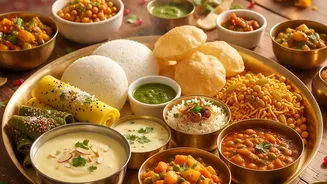


Karwa Chauth, a cherished festival of love and devotion, begins with a vital pre-dawn ritual: the Sargi. This meal is more than tradition; it is the nutritional foundation for a day-long fast. Here’s how to honour the custom in 2026.
The Loving Tradition of Sargi
Sargi is the pre-dawn
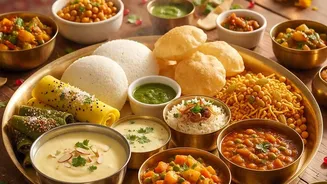
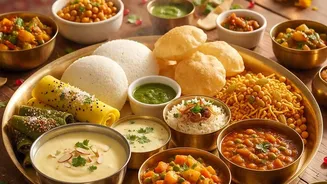
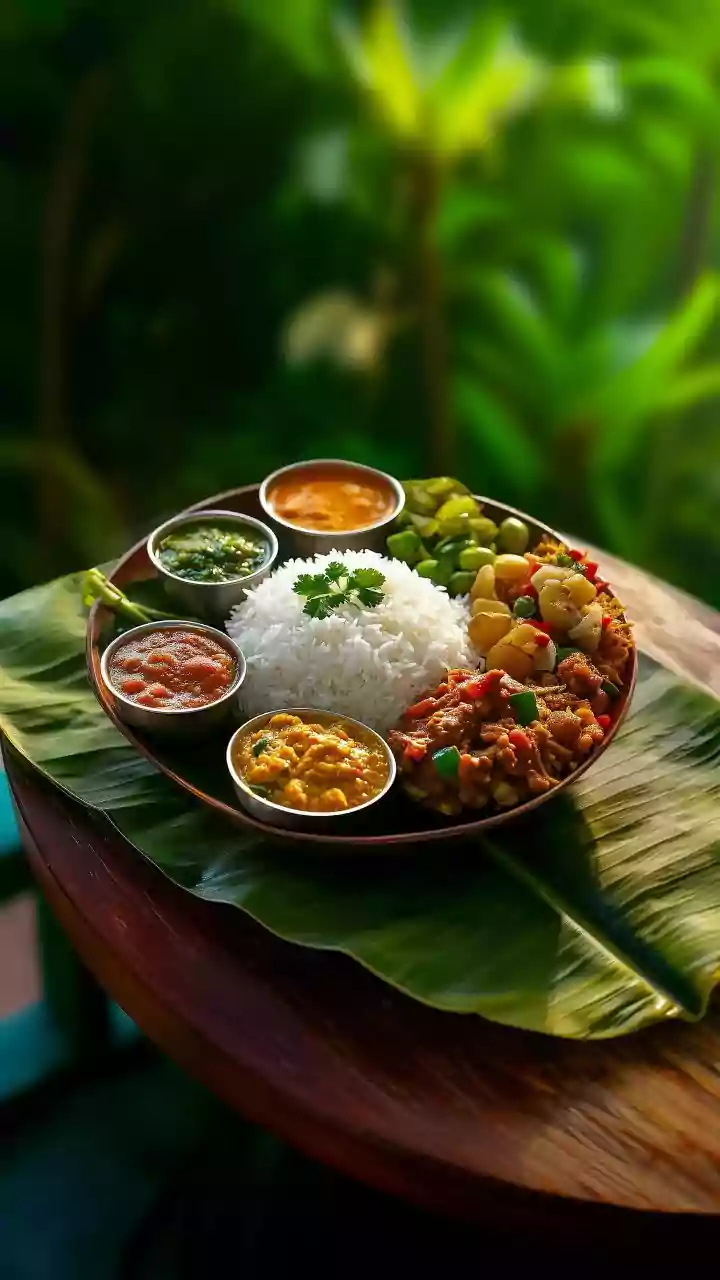
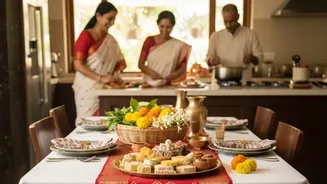
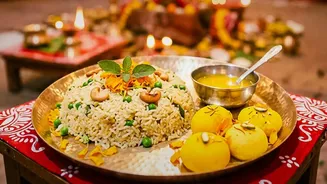
meal married women eat before beginning their Karwa Chauth fast, which is observed from sunrise to moonrise for the longevity of their husbands. Traditionally, this thali is a gift of love and blessings from a mother-in-law to her daughter-in-law. It signifies care, support, and the passing on of familial traditions. The meal is consumed before sunrise, marking the formal start of the fast. While customs vary by region and family, the thali typically includes a variety of foods meant to provide sustenance throughout the demanding day. In modern times, many women who live away from family prepare their own Sargi, keeping the spirit of the ritual alive.
Building a Balanced Sargi for 2026
A thoughtfully prepared Sargi can make the Karwa Chauth fast, which falls on October 29, 2026, more comfortable and prevent issues like fatigue and acidity. The key is to create a balanced plate that provides sustained energy and hydration. Instead of relying on heavy or sugary items, the focus should be on a mix of complex carbohydrates, protein, and healthy fats. These nutrients work together to slow down digestion and promote a feeling of fullness that lasts for hours. The goal is to nourish the body for the day ahead without causing sluggishness or discomfort.
Complex Carbs for Lasting Energy
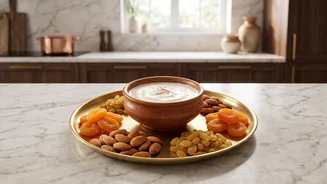
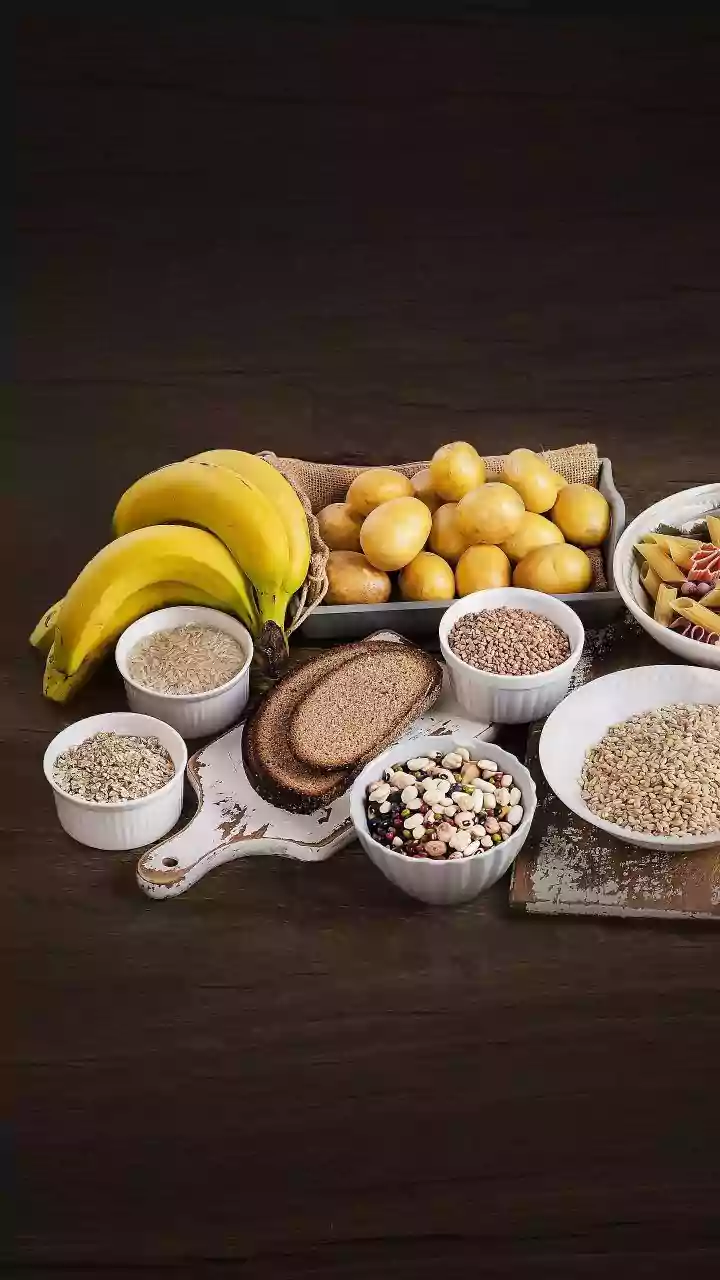
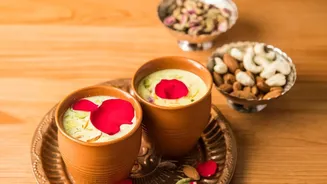
Complex carbohydrates are the cornerstone of an effective Sargi meal because they release energy slowly and steadily. Good options include whole-wheat rotis or parathas, daliya, and oats. A small bowl of seviyan or pheni, often made in milk, is a traditional choice that provides gentle carbohydrates to start the meal. These foods help replenish glycogen stores, ensuring your body has a reliable fuel source to draw from throughout the day. Unlike simple sugars found in many sweets, these carbs prevent the sharp energy spike and subsequent crash that can lead to hunger and dizziness.
Protein Power for Satiety
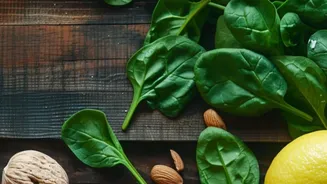
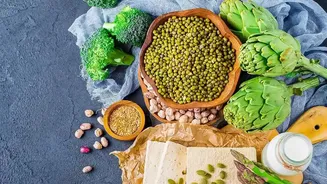
Protein is one of the most crucial elements of a Sargi thali as it is key to feeling full and satisfied. Foods like paneer, curd (yoghurt), and nuts are excellent sources of protein. You could include a paneerstuffed paratha, a bowl of curd, or a handful of soaked almonds and walnuts. Protein slows down the emptying of the stomach, which helps keep hunger pangs at bay for a longer period. Many people miss adding enough protein to their Sargi, which can lead to feeling tired and hungry by the afternoon.
Hydration Heroes to Start Strong
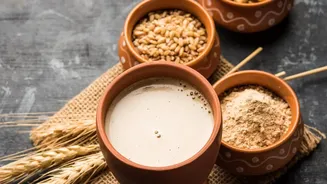
Since the Karwa Chauth fast is a ‘nirjala vrat’ (without water), pre‐hydrating is essential. Sipping water slowly in the hour before the fast begins is more effective than chugging a large amount at once. Including water‐rich foods in your Sargi is also a smart strategy. Fresh fruits like bananas, pomegranates, apples, and berries provide hydration along with essential vitamins and fibre. Drinks like coconut water, milk, or buttermilk are also excellent for replenishing fluids and electrolytes.
What to Avoid in Your Sargi
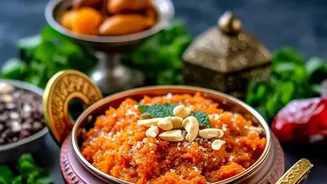
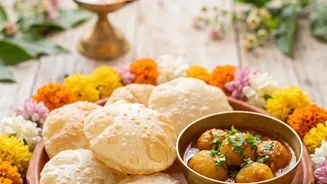
What you don't eat is just as important as what you do. Avoid excessively oily or deep‐fried foods like puris and pakoras, as they can feel heavy and cause acidity. Highly salted foods such as pickles and mathri should be limited because they can increase thirst during the day. It is also wise to steer clear of sugary sweets and beverages that cause a rapid spike and drop in blood sugar, leaving you feeling tired. While a single cup of tea or coffee might be fine, too much caffeine can be dehydrating and may lead to headaches.