




The Pinch on Your Plate
According to data released by the Ministry of Statistics and Programme Implementation (MoSPI), India's food inflation, as measured by the Consumer Food Price Index (CFPI), climbed to 5.32% in June 2026. This is a noticeable jump from the 4.78% recorded
in May, indicating that the cost of your daily meals is steadily rising. The pressure is felt more acutely in rural India, which saw food inflation at 5.45%, compared to 5.09% in urban areas. This increase is largely driven by a combination of factors, including summer heatwaves affecting crop yields and an uneven monsoon disrupting supply chains. The result is higher prices on some of the most common items in our kitchens.
Identifying the Key Culprits
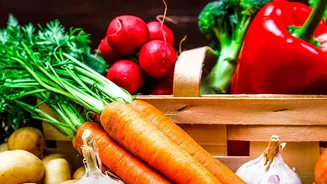
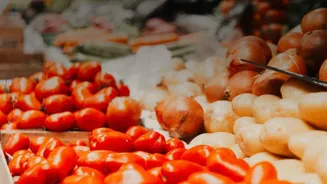
While overall food costs are up, some items are contributing more to the strain on household budgets than others. Vegetables, in particular, have seen significant price increases. Data for June showed a massive surge in the inflation rate for tomatoes, which rose by 31.92%, and ginger, which shot up by an eye-watering 50.41%. Reports from early July suggest that prices for key staples like onions and tomatoes are expected to remain firm or even rise further due to supply issues. On the other hand, some items have seen a price drop, with potatoes and peas registering a decline in inflation. This volatility highlights the importance of a flexible approach to cooking.
The Power of the Smart Swap
This is where the concept of 'easy swaps' becomes a powerful tool. It’s not about drastically cutting down or compromising on nutrition, but about making intelligent substitutions based on what’s affordable and in season. A menu built around flexibility can help you navigate price spikes without sacrificing flavour. By learning to pivot and adapt, you can keep your meals exciting and your grocery bills in check. The following sections offer practical swaps for some of the most common and currently expensive ingredients, helping you build resilience in your kitchen.
Swap Your High-Priced Vegetables
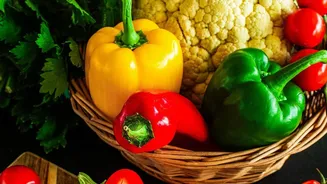
When a key vegetable like tomatoes becomes expensive, it can feel like your entire cooking repertoire is under threat. However, Indian cuisine is rich with alternatives for providing that essential tangy base. Instead of costly tomatoes, consider using tamarind paste, amchur (dry mango powder), or even a dash of yoghurt or lemon juice to add sourness to your gravies. For texture and bulk in a curry, vegetables with a more stable price, like bottle gourd (lauki), pumpkin, or even cabbage, can be excellent substitutes. If leafy greens are pricey, look for more local and seasonal alternatives that might be cheaper at your neighbourhood vendor.
Rethinking Proteins and Staples
The swap strategy isn't limited to vegetables. If a particular type of dal or lentil sees a price surge, explore other varieties. India has a vast range of pulses, and switching from, say, toor dal to masoor dal or chana dal can be a simple cost-saving measure. Similarly, while paneer is a favourite, you can stretch it further by combining it with vegetables or swapping it out for equally protein-rich options like chickpeas, rajma (kidney beans), or soya chunks in your dishes. These ingredients are not only affordable but also offer great flavour and nutritional benefits.
Building Long-Term Kitchen Resilience
Beyond immediate swaps, adopting a few long-term habits can make your kitchen more resilient to inflation. Prioritise buying seasonal produce, which is almost always cheaper and fresher. Reducing food waste by using vegetable peels for broth or repurposing leftovers can also stretch your budget. Mastering a few versatile base gravies—which can be made in a large batch when ingredients are cheap—allows you to whip up different curries quickly by just adding a variable protein or vegetable. By thinking strategically, you can insulate your kitchen from the worst of the market's price fluctuations.