






A Tale of Two Odysseys
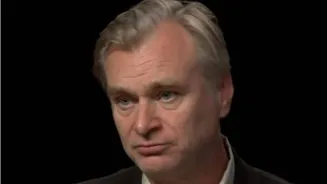
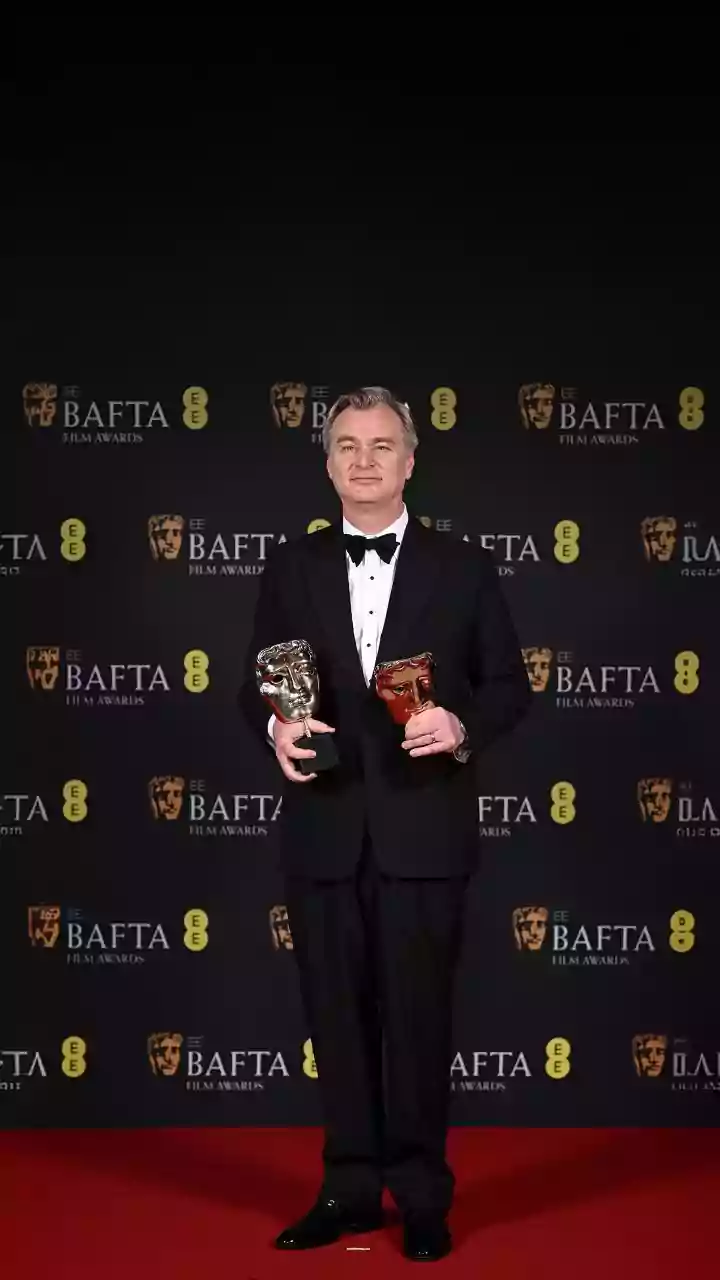
Christopher Nolan, the celebrated director behind cerebral blockbusters, is releasing his latest epic, 'The Odyssey,' a lavish, star-studded take on the ancient Greek myth. But as it hits theaters, a shadow version is emerging from the digital ether.
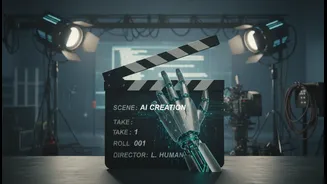
Titled 'Odysseus: The Fall,' this 135-minute feature film tells the same story but was created not on a soundstage, but with artificial intelligence. Developed by AI film studio Fountain 0, its release is no coincidence. The studio’s chairman, Tom Rogers, has openly stated that while he doesn't expect their AI version to be better than Nolan's, he wants it to spark a conversation. The goal is to create a direct comparison between the peak of human filmmaking and the current state-of-the-art in AI generation, turning a classic story into a very modern cultural experiment.
What Exactly Is Synthetic Cinema?
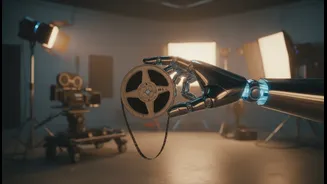
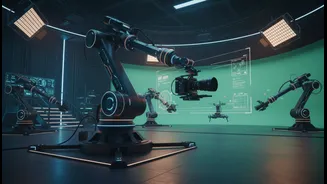
The term 'synthetic cinema' describes movies that are constructed, at least in part, by generative AI. This goes far beyond the computer-generated imagery (CGI) audiences have known for decades. Instead of artists digitally painting over live-action footage or building worlds from scratch, generative AI tools create novel video content from text prompts. A director can essentially 'write' a shot into existence, describing the camera movement, lighting, and action. For 'Odysseus: The Fall,' director Ash Koosha fed the AI platform Kling a script in the form of evolving notes, allowing him to shape the film iteratively. The result is a full-length feature produced in just three months for a 'mid-five figures' budget—a microscopic fraction of a typical Hollywood epic.
The Promise of AI-Powered Film
Proponents like Fountain 0 see this technology as a revolutionary force for good in filmmaking. Their previous AI-generated film, 'Dreams of Violets,' was accepted into the Tribeca Film Festival, proving that the technology could tackle serious, timely subjects that would be impossible to film traditionally. The studio argues that AI democratizes the medium, allowing creators to produce feature films at incredible speed and with minimal cost. This could empower filmmakers to respond to cultural events nearly in real-time, contributing to public discourse in a way previously reserved for news outlets and social media. The human element remains central, they argue; Koosha's vision guided the AI, and the screenplay and creative development were his own. The machine is simply a new, powerful tool in the artist's toolkit.
The 'AI Slop' Backlash
Not everyone is convinced. In a remarkable coincidence of timing, Christopher Nolan himself has become the most prominent critic of this new wave. He argues that audiences, particularly younger ones, are having a visceral and negative reaction to machine-generated content, which they dismissively label 'AI slop'. He sees a renewed hunger for handcrafted, authentic storytelling, not automated facsimiles. This sentiment is echoed in early online reactions to the trailer for 'Odysseus: The Fall,' with many viewers criticizing its uncanny, slightly off visuals. Research into audience perception backs this up, showing that viewers often feel a sense of unease with AI-generated human characters that fall into the 'uncanny valley'—looking almost real, but not quite. The fear is that synthetic cinema lacks the human soul that gives movies their emotional power.
Transparency Is Non-Negotiable
The line between acceptance and rejection may come down to a single word: disclosure. A 2025 YouGov poll found that while a majority of consumers find AI use in filmmaking acceptable, an overwhelming 86% demand that its use be disclosed. The backlash against the 2024 horror film 'Late Night with the Devil' serves as a cautionary tale. When it was revealed that the film had used a few pieces of AI-generated art without telling anyone, audiences reacted with accusations of corner-cutting and disrespect for human artists. The data suggests a clear boundary: audiences are generally comfortable with AI as a tool to assist with tasks like visual effects. They are far less comfortable with it being used to replace human actors or writers, and they feel deceived when its role is hidden. Fountain 0 has been transparent, but the broader industry is now on notice.