

From 'Last' to 'First'
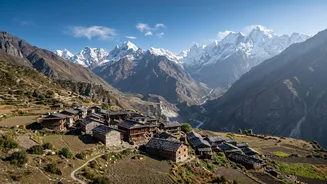
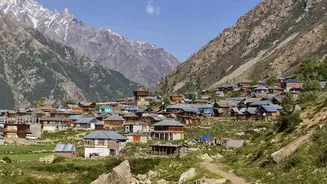
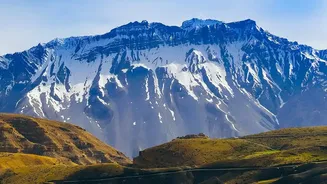
The most significant change for Mana has been its official rebranding. For decades, a signboard at its entrance proudly declared it 'The Last Indian Village'. This has now been replaced by one that reads 'The First Indian Village'. This change was catalysed
during a visit by Prime Minister Narendra Modi in October 2022, who stated that border villages are not the end of the nation, but its beginning. Following this declaration, the Border Roads Organisation (BRO) officially installed the new signage, cementing a fundamental shift in how the village, and others like it, are perceived from a national and strategic viewpoint.
A New Strategic Vision
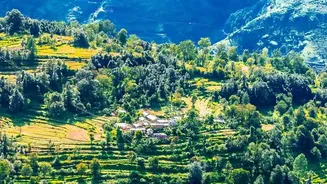
This renaming is more than just semantics; it's the public face of the central government's 'Vibrant Villages Programme'. This centrally sponsored scheme aims to comprehensively develop 662 villages across India's northern border states, including 51 in Uttarakhand. The core idea is to reverse out-migration, which has historically plagued remote areas, by transforming them into sustainable and thriving economic centres. By improving infrastructure, connectivity, and livelihood opportunities, the programme views these villages as crucial partners in national security and development, rather than remote outposts. The plan includes creating all-weather roads, providing reliable energy and internet, and building up health and tourism facilities.
A Surge in Tourism and Opportunity
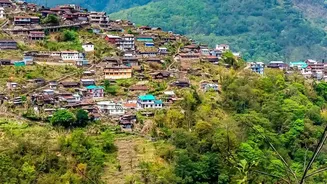
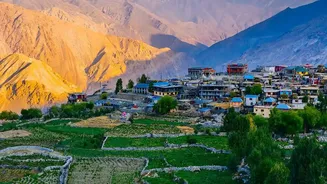
The 'first village' designation has had an immediate and noticeable impact on tourism. Once a stop for pilgrims visiting the nearby Badrinath temple, Mana is now a destination in its own right. Tourists are increasingly drawn by the new title and the history it represents. This spike in visitors has created a wave of local employment. Villagers, who belong to the Bhotiya community, are converting their homes into homestays and opening shops. Women are finding new markets for their handmade woollen garments, and there's a growing demand for local products like potatoes and rajma. The government is also planning to construct a museum, renovate traditional houses, and organize cultural festivals to further boost this momentum while preserving the village's unique heritage.
Weaving Mythology and Modernity
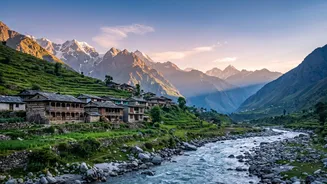
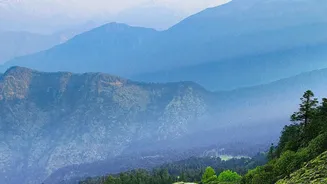
Mana's appeal is deeply rooted in its rich mythological connections. The village is steeped in legends from the Mahabharata. It is believed that the Pandavas passed through Mana on their final journey to heaven. Key sites include Vyas Gufa, the cave where sage Ved Vyas is said to have composed the epic, and Bheem Pul, a natural rock bridge believed to have been placed by Bheem himself over the roaring Saraswati River. This spiritual significance gives the village an aura that modern infrastructure aims to complement, not overshadow. The redevelopment plans focus on beautifying these ancient sites and improving trekking routes, ensuring that as Mana modernizes, it doesn't lose the ancient soul that makes it so unique.