



The Vitamin A Showdown
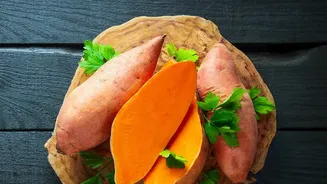
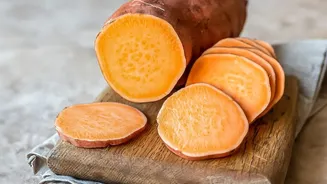
The vibrant orange colour of both sweet potatoes and winter squashes, like butternut squash, is a dead giveaway for their star nutrient: beta-carotene. Your body cleverly converts this powerful antioxidant into vitamin A, a nutrient essential for healthy
vision, a strong immune system, and even skin health. So, who wins this round? A single baked sweet potato can provide a staggering amount of your daily vitamin A needs, sometimes over 100% of the recommended daily value. Butternut squash is no slouch, either. One cup of cooked squash can deliver more than 100% of your daily vitamin A, making both of them stellar choices for boosting your intake of this crucial vitamin. While sweet potato often has a slight edge in sheer quantity, both are exceptional sources.
A Tale of Two Calorie Counts
Here's where a major difference emerges. If you're watching your calorie intake, butternut squash is the clear winner. A one-cup serving of cooked butternut squash contains roughly 82 calories. In contrast, the same amount of cooked sweet potato can contain around 180 calories. The reason for this gap lies in their density and composition. Sweet potatoes are a starchy root vegetable, packing more carbohydrates and natural sugars into each bite. Butternut squash, which is botanically a fruit, has a higher water content, making it lighter in calories and carbs. For anyone looking to fill their plate with a larger volume of food for fewer calories, squash is an excellent option.
Fiber, Fullness, and Blood Sugar
Fiber is key for digestive health and feeling full, and both contenders perform well here. Sweet potatoes and butternut squash offer a good dose of dietary fiber, which aids in digestion and helps stabilize blood sugar levels. Sweet potatoes often contain slightly more fiber and protein per serving, which can contribute to a greater feeling of satiety, keeping you fuller for longer. When it comes to blood sugar, the preparation method matters, especially for sweet potatoes. A boiled sweet potato has a lower glycemic index (a measure of how quickly a food raises blood sugar) than a baked one. Butternut squash tends to have a more stable, moderate glycemic index regardless of how it's cooked, making it a predictable choice.
Beyond the Basics: Other Nutrients
While Vitamin A gets the spotlight, these vegetables are packed with other goodies. Both are great sources of Vitamin C, which is vital for immune function. They also both provide a healthy dose of potassium, a mineral important for heart health. However, there are some minor differences. Sweet potatoes generally offer more Vitamin C and manganese. On the other hand, butternut squash can sometimes have a slight edge in minerals like calcium and magnesium, and also provides Vitamin E. Ultimately, both bring a wealth of micronutrients to the table, contributing to overall health in numerous ways.
In the Kitchen: Taste and Texture
Nutritionally, they have their differences, but in the kitchen, they are often interchangeable, though with distinct results. Sweet potatoes have a denser, starchier, and often sweeter profile. They hold up well to roasting, mashing, and being turned into fries, offering a fluffy interior and a satisfying bite. Butternut squash is typically milder, with a smoother, more watery flesh when cooked. This makes it perfect for silky soups, purees, and risottos. When roasted, it caramelizes beautifully, but with a less starchy texture than its root vegetable rival. The choice often comes down to the desired texture and sweetness of the final dish.