
The Case for Yoga: An Internal Journey
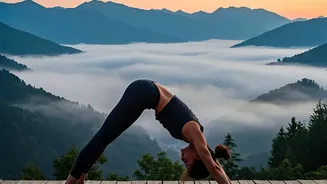
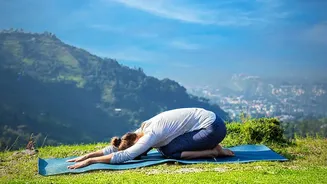
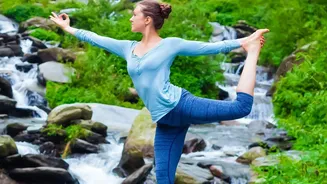
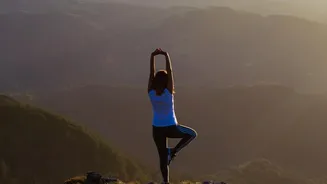
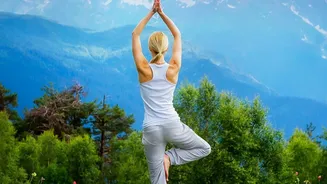
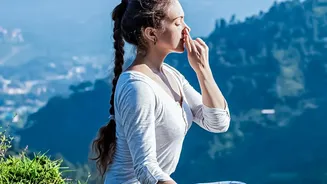
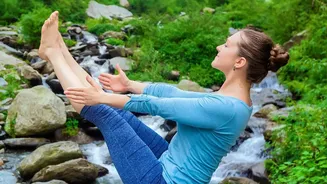
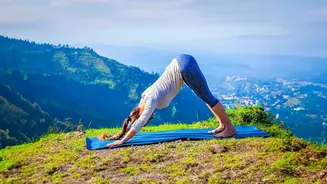
Yoga is an ancient practice designed to harmonize the mind and body. Its power as a stress reliever lies in its focus on turning inward. Through a combination of physical postures (asanas), controlled breathing (pranayama), and meditation, yoga directly
targets the body's stress response. This practice activates the parasympathetic nervous system, often called the 'rest and digest' system, which helps lower levels of cortisol, the primary stress hormone. The emphasis on mindful movement and breath control quiets the mental chatter that often fuels anxiety. Regular practice has been shown to improve emotional regulation, mental clarity, and focus. If your stress manifests as a racing mind, feelings of being overwhelmed, or emotional turmoil, yoga offers a toolkit to build a sense of calm and stability from the inside out.
The Case for Trekking: An External Escape
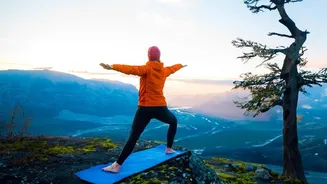
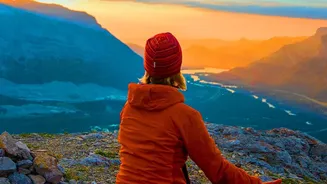
Trekking, or hiking in nature, combats stress by changing your environment and engaging your body. The physical exertion of walking over varied terrain is a powerful way to release pent-up tension. This type of cardiovascular exercise stimulates the production of endorphins, the brain's natural mood-boosting chemicals. Beyond the physical activity, simply being in a natural environment has profound psychological benefits, a concept known as ecotherapy. Studies show that time in nature can significantly reduce cortisol levels, lower blood pressure, and decrease rumination—the pattern of repetitive negative thoughts. If your stress leaves you feeling stuck, restless, or disconnected, the combination of physical challenge and natural scenery can provide a powerful reset, offering fresh perspective and a tangible sense of accomplishment.
Mental vs. Physical Release
The core difference between the two lies in their approach. Yoga is a practice of mental discipline that uses the body to calm the mind. The physical postures are a means to an end: to create a state of inner stillness and awareness. You learn to sit with discomfort, observe your thoughts without judgment, and use your breath as an anchor to the present moment. Trekking, on the other hand, is a physical discipline that frees the mind. The rhythmic motion of walking can become a form of moving meditation, allowing your brain to relax and wander. Rather than confronting mental stress head-on, trekking provides a distraction and a physical outlet, allowing mental clarity to emerge as a byproduct of the exertion and change of scenery. One study directly comparing yoga to walking found that yoga practitioners reported greater improvements in mood and larger decreases in anxiety.
Accessibility, Cost, and Commitment
When choosing between them, practical considerations matter. Yoga has a low barrier to entry; it can be practiced at home with a simple mat and online videos, or in a studio for more guided instruction. While studio classes involve a fee, the ability to practice anywhere makes it highly accessible. Trekking requires access to trails or natural parks, which may not be readily available for everyone. It can also require more gear, such as sturdy footwear and weather-appropriate clothing. However, once you have the basic gear, hitting a local trail is often free. In terms of community, both offer options. Yoga studios can foster a sense of community and shared purpose, while hiking can be a solitary activity for quiet reflection or a social one with friends and groups.
So, Which Is Right for You?
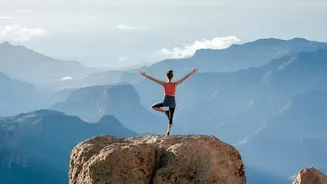
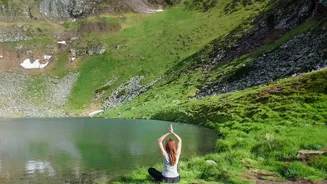
Ultimately, there is no single 'winner'. The best choice depends on your personality and the nature of your stress. Are you feeling overwhelmed and mentally scattered? The structured mindfulness and calming breathwork of yoga might be the perfect antidote to help you recenter. Do you feel restless, cooped up, or burdened by a problem you can't seem to think your way out of? The physical release and expansive landscapes of a trek might be what you need to clear your head and gain a new perspective. Many find that the two practices complement each other beautifully. Yoga can build the strength, balance, and flexibility needed for challenging trails, while trekking offers a dynamic, real-world application for the mindfulness learned on the mat.